
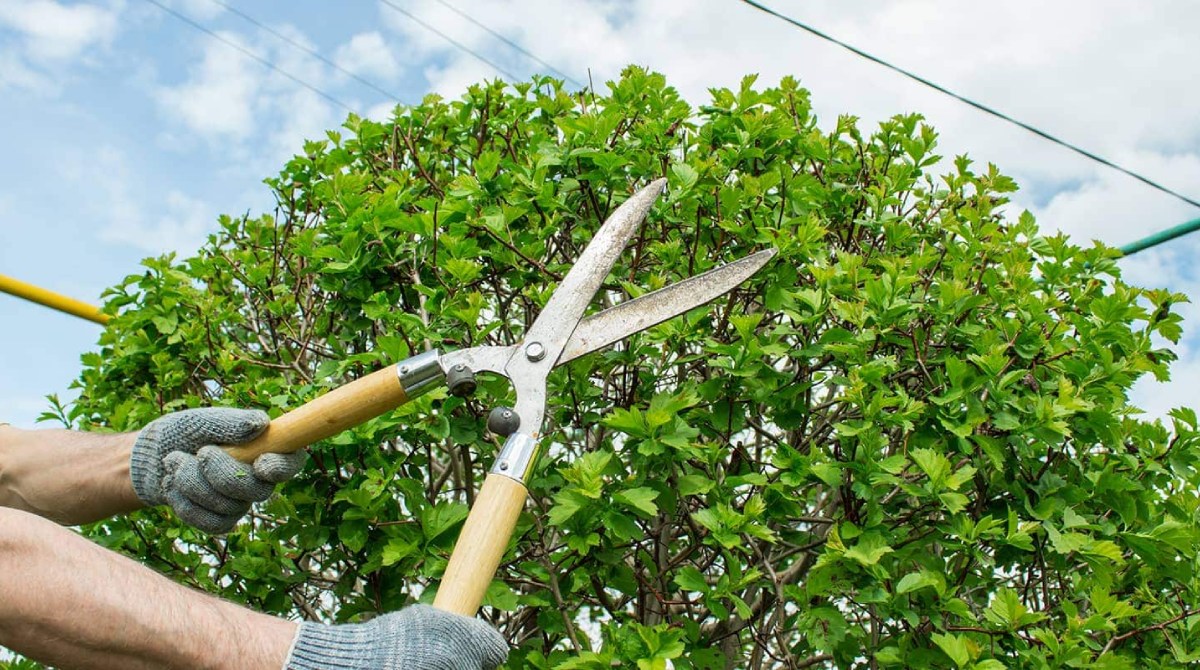
Understanding how to prune trees and shrubs correctly is vital for promoting healthy growth and maintaining an attractive landscape. Pruning refers to the selective removal of certain parts of a plant, and implementing proper techniques can greatly enhance its health and form.
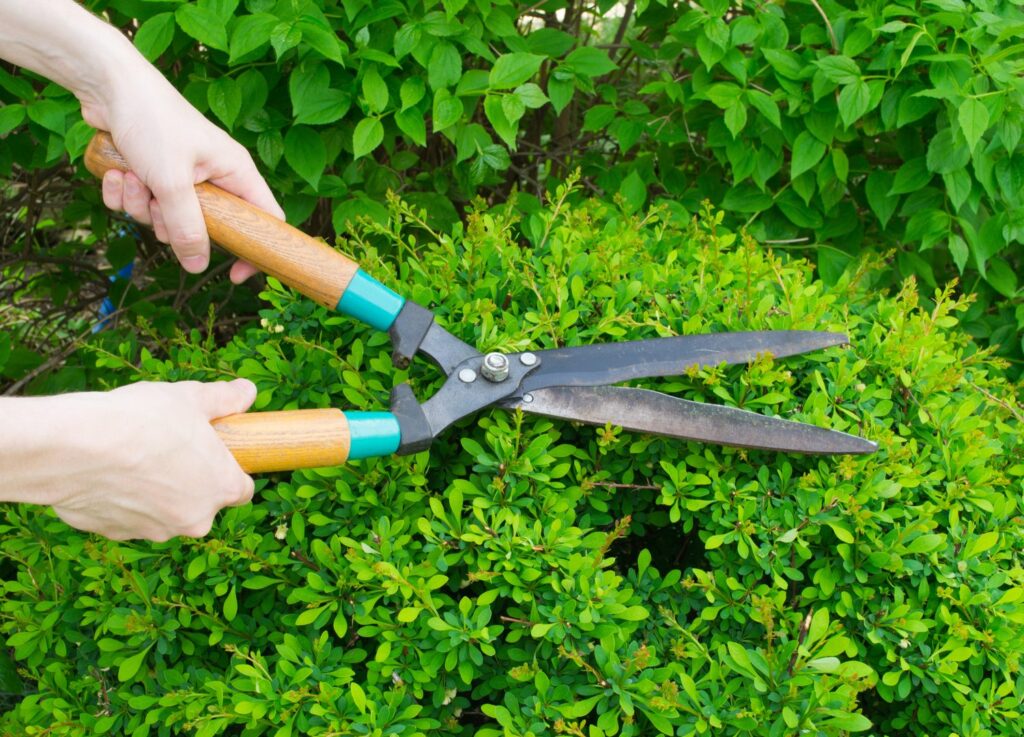
1. Growth Buds and Apical Dominance
Plants demonstrate a behavior known as apical dominance, where the growth of terminal buds suppresses that of lateral buds, leading to upward growth. Recognizing the angles at which branches grow can inform your pruning decisions, as these angles can affect a plant’s long-term development.
2. Cutting Heavy Branches
When it comes to pruning heavy branches, start with an undercut about one foot from the branch collar to prevent damage to the bark. After this initial cut, complete the process by cutting the branch close to the collar. This method aids in quicker healing and encourages fresh growth.
3. Timing Your Pruning
The timing of your pruning is crucial for effectiveness:
- Winter/Spring: The best time to prune most plants is during their dormant phase, allowing for a swift recovery as growth begins again.
- Flowering Shrubs: These should be pruned immediately after they bloom to promote the development of new flower buds for the upcoming season.
- Evergreen and Fruit Trees: The ideal pruning period for these varieties is in the spring as they enter their growth phase.
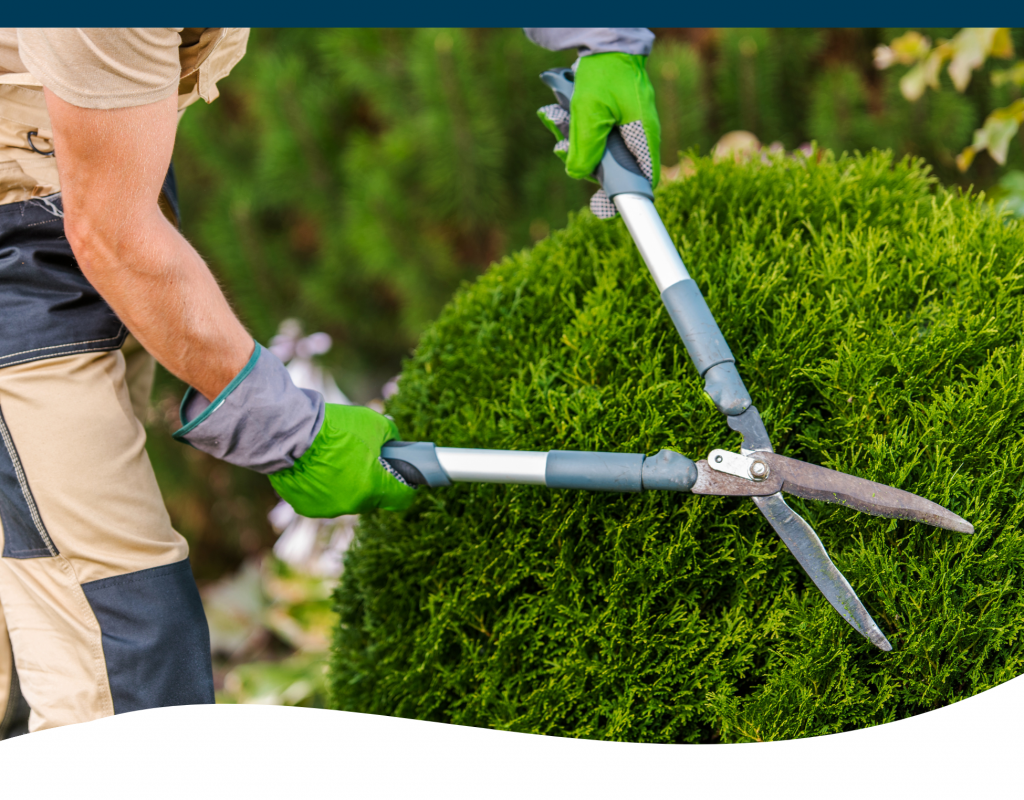
4. Pruning Techniques
Implementing a variety of pruning techniques can significantly improve plant health and appearance:
- Thinning: This method involves removing entire shoots to promote growth at the tips of the remaining branches, creating a stronger plant structure.
- Removal of Water Sprouts and Suckers: Eradicating these vigorous, undesired shoots conserves energy for the plant, allowing it to focus on productive growth.
- Renewal Pruning: This technique enhances air circulation and light penetration within the plant, essential for its vitality.
- Removing Narrow Forks: Branch junctions with narrow angles should be pruned, as they are more likely to suffer damage.
- Healing and Regrowth: Always cut near the main branch to facilitate healing and encourage new growth in the surrounding area.
5. Tool Maintenance and Safety
Keeping your pruning tools sharp and clean is crucial to avoid introducing infections to your plants. Remember to wear appropriate protective gear and ensure stability when using ladders to reach higher branches.
Adopting a consistent pruning routine not only fosters healthy growth and enhances the beauty of your garden but also helps prevent diseases, resulting in a thriving landscape for you to appreciate for years to come. 🌼🌿