
In a world where sustainable living is becoming more than just a trend, Japan has long been ahead of the curve. One of the most impressive examples of this mindset lies in their bathrooms—specifically, a simple yet ingenious innovation that turns your toilet into a dual-purpose device.
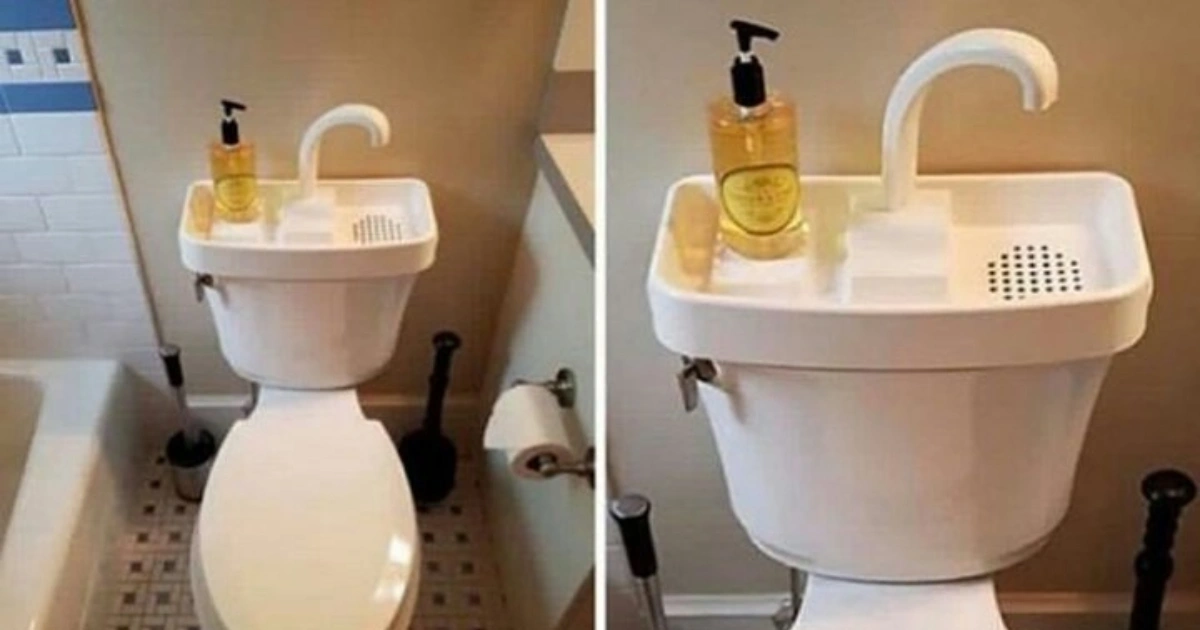
Imagine a toilet with a built-in faucet and sink on top. It may look futuristic, but it’s actually quite common in Japanese households. This clever configuration not only saves precious space but also cuts down significantly on water usage—without compromising hygiene or convenience.
If you’re exploring ideas for eco-friendly home improvements, especially ones that conserve water, this could be the smart and practical solution you’ve been waiting for. It pairs perfectly with other sustainable upgrades like the homemade irrigation systems and natural bathroom cleaners from Secrets of the Green Garden.
What Exactly Is It?
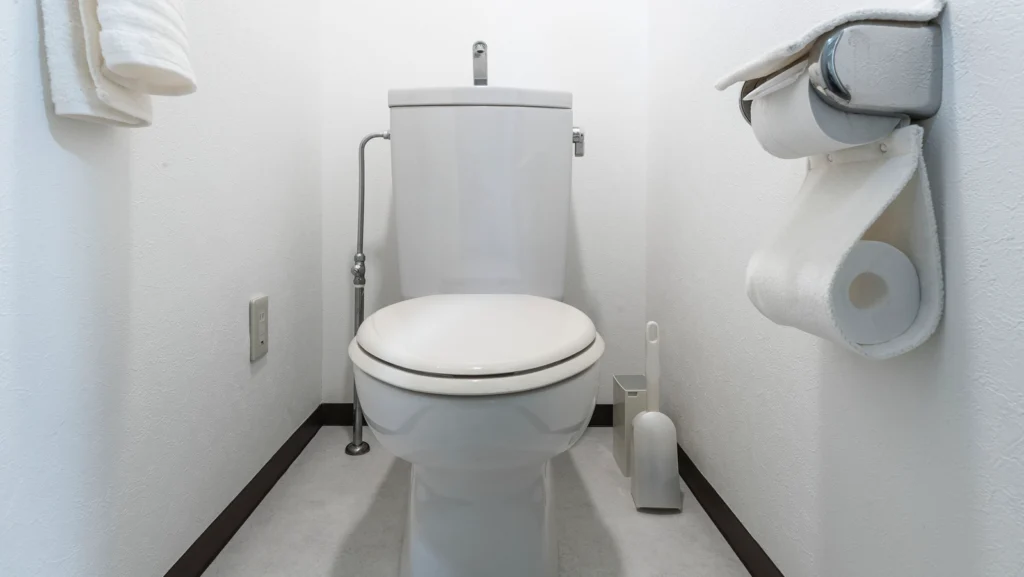
At first glance, the fixture looks like a typical toilet. But instead of a flat lid on the water tank, there’s a compact faucet and shallow sink. Here’s how it works:
- When you flush the toilet, fresh, clean water runs from the faucet into the sink.
- You wash your hands with this water.
- That same water then drains into the tank below and is stored for the next flush.
This smart cycle reuses the greywater from handwashing instead of letting it go straight down the drain. It’s an elegant way to save water and reduce waste with every trip to the bathroom.
Why It’s Brilliant 💡
- Water-Saving: Every handwash recharges the toilet tank—no additional water needed.
- Space-Saving: Ideal for small homes, studios, tiny houses, or RVs.
- Eco-Friendly: Encourages low-consumption habits and reduces monthly water bills.
- Simple Installation: Many models are easy to install or retrofit.
- Aesthetically Pleasing: The minimalist design looks modern and clean.
Step-by-Step Guide: How to Retrofit or Install One
1️⃣ Measure your current toilet tank
Make sure there’s enough space to support a faucet and small basin on top.
2️⃣ Choose a retrofit kit or buy a compatible toilet
There are DIY-friendly units available online, or you can select a toilet that comes with the feature pre-installed.
3️⃣ Redirect the refill line
After a flush, the water usually refills the tank through an internal tube. With this system, the water is routed to the faucet first.
4️⃣ Test water flow and drainage
Run a few test flushes to ensure the faucet dispenses correctly and drains into the tank without leaks.
5️⃣ Adjust water pressure
Install a small aerator on the faucet if the water flows too quickly or splashes.
6️⃣ Enjoy and monitor performance
Check the water quality monthly and clean the faucet and sink to prevent build-up.
Tools and Materials You May Need 🧰
🪛 Screwdriver or wrench
🚿 Small faucet or aerator
🪠 Flexible tubing for rerouting water
🧼 Neutral soap or vinegar solution for cleaning
🧻 Towel or cloth for drying surrounding areas
📏 Measuring tape
🪟 Optional: small soap dispenser for convenience
Common Mistakes to Avoid
- Installing on incompatible tanks: Not all toilet models support sink integration—measure carefully.
- Incorrect water line rerouting: This can lead to weak flushing or slow fills.
- Over-tightening fittings: Can crack plastic parts or strip threads.
- Ignoring hygiene: Clean the faucet regularly to prevent grime and bacteria.
- Skipping adjustments: If the water sprays out too hard or doesn’t reach the drain correctly, a flow reducer or angled faucet may be needed.
Regional Tips
🌡️ Hot climates: Clean weekly to prevent algae or mildew in exposed water areas.
❄️ Cold regions: Consider insulating the tank or draining it seasonally if not in use.
🏙️ Urban homes: Great for apartments where space is limited and plumbing changes are restricted.
🏡 Rural or off-grid homes: Pair with rainwater collection for extra savings.
Why This Upgrade Makes a Big Impact
Even if it seems small, this design makes a major difference over time. A typical toilet flush uses between 3 to 6 liters of water. Multiply that by the number of people in your home and the number of daily flushes—and suddenly, saving just one flush’s worth of water per handwash becomes meaningful.
You also eliminate the need for a separate sink in many cases, reducing bathroom footprint and clutter. Plus, there’s something satisfying about seeing your greywater being reused rather than wasted.
For those already investing in sustainable habits—like composting, indoor herb gardens, or growing food in containers—this small fixture ties it all together.
Frequently Asked Questions
Is it safe to use recycled water from the sink?
Yes. Only the water you use to wash your hands goes into the toilet tank. It doesn’t come back through the faucet.
Will my flush be less powerful?
No. The refill water enters the tank the same way—it’s just visible through the faucet first.
Can I install it myself?
If you’re using a retrofit kit, most installations are beginner-friendly and require no plumbing experience.
Do I need a plumber?
For full toilet replacements or if you’re unsure, calling a plumber is a safe option—but not always necessary.
Is this a good idea for renters?
Yes, especially with portable or removable versions. But always check with your landlord before making changes.
Final Thoughts: Small Change, Big Results
This humble invention speaks volumes about what modern living can be—efficient, sustainable, and beautifully simple. The sink-on-toilet combo isn’t just a clever design; it’s a mindset shift. A reminder that sometimes, the greenest solutions are right under our nose… or in this case, right above our toilet tank.
Would you try this design in your own home?
Let us know your thoughts below, and don’t forget to share this idea with a friend who loves smart eco-living! 💬🌱