
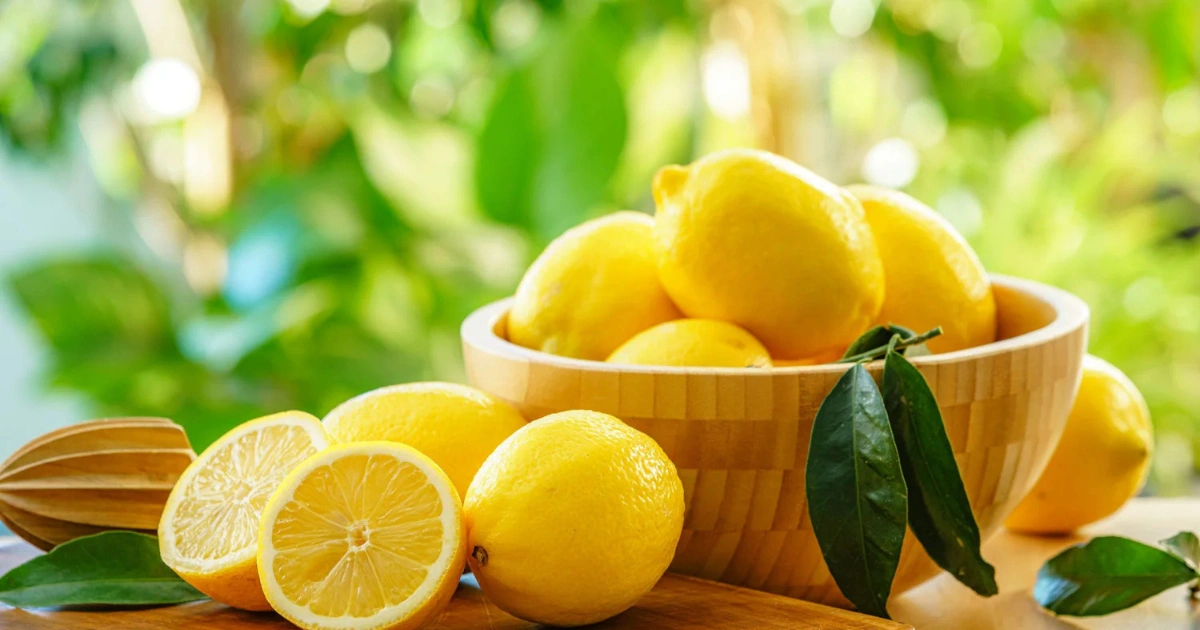
Growing a lemon plant at home is one of the most rewarding gardening projects for beginners and experienced plant lovers alike. With patience, sunlight, and proper care, a simple citrus seed or rooted lemon top can eventually become a beautiful indoor or balcony tree that produces fragrant leaves, flowers, and even fresh lemons.
Container-grown lemon trees are especially popular because they adapt well to patios, balconies, sunny windows, and small gardens. Besides producing fruit, lemon plants add natural beauty and a refreshing citrus aroma to indoor and outdoor spaces.
In this complete guide, you will learn how to grow a lemon plant step by step, how to encourage healthy root development, and how to care for your citrus tree long term.
Why Lemon Plants Are Popular for Home Gardening
Lemon trees are attractive, productive, and relatively easy to maintain when grown in the right conditions.
Benefits of Growing Lemon Trees at Home
Home gardeners enjoy lemon plants because they:
- Produce fresh citrus fruit
- Grow well in containers
- Release a pleasant fragrance
- Add decorative greenery
- Thrive indoors in bright spaces
- Can live for many years with proper care
Even small lemon trees can become productive container plants over time.
Can You Really Grow a Lemon Plant From a Lemon?
Yes, lemon seeds can germinate and grow into healthy plants. However, growing a fruit-producing tree requires patience because seed-grown citrus trees may take several years to mature.
Some gardeners also experiment with rooting citrus tops or cuttings for decorative growing projects.
Important Expectations
When growing lemons from seed:
- Growth may be slow at first
- Fruit production can take years
- Seed-grown trees may differ slightly from the parent fruit
- Proper sunlight is essential
Despite the waiting period, the process is enjoyable and educational.
Step 1: Choose a Fresh Healthy Lemon
Healthy seeds are the foundation of successful germination.
How to Select Good Lemon Seeds
Choose a ripe lemon with:
- Firm texture
- Healthy appearance
- Fully developed seeds
Fresh seeds germinate better than dried seeds.
After removing the seeds:
- Rinse away pulp carefully
- Avoid damaging the seed coating
- Plant quickly for best results
Step 2: Start Root Development
Some gardeners place citrus tops or seeds in water temporarily to encourage early rooting before planting.
Rooting Method Basics
To encourage root formation:
- Suspend the citrus section over water
- Keep the lower portion moist
- Place in a warm bright location
- Change water regularly
Roots may begin appearing after several weeks depending on temperature and humidity.
Warmth significantly improves germination success.
Step 3: Encourage Early Growth
Once roots and shoots begin forming, the young plant enters its delicate early growth phase.
Conditions Young Lemon Plants Need
Young citrus plants prefer:
- Bright indirect sunlight
- Warm temperatures
- Consistently moist soil
- Gentle airflow
Avoid exposing young plants to cold drafts or extreme heat.
Transplanting Into Soil
Once roots are established, transfer the plant into a container filled with well-draining citrus-friendly soil.
Good drainage is extremely important because citrus roots dislike waterlogged conditions.
Step 4: Grow a Mature Potted Lemon Tree
As the plant matures, it develops stronger stems, larger leaves, and eventually a woody trunk.
Best Containers for Lemon Trees
Choose containers with:
- Drainage holes
- Enough root space
- Durable material
- Stable weight for support
Repotting may be necessary as the tree grows larger.
Indoor vs Outdoor Growing
Lemon trees can thrive:
- Indoors near sunny windows
- On balconies
- On patios
- In greenhouses
- Outdoors in warm climates
In colder regions, container growing allows plants to be moved indoors during winter.
Sunlight Requirements for Lemon Plants
Lemon trees need abundant light to grow properly.
Ideal Lighting Conditions
Most lemon plants require:
- 6–8 hours of sunlight daily
- Bright south-facing windows indoors
- Supplemental grow lights if natural light is limited
Insufficient light often causes weak growth and yellow leaves.
Watering Lemon Trees Correctly
Proper watering is one of the most important parts of citrus care.
How Often to Water
Lemon plants prefer:
- Evenly moist soil
- Good drainage
- Slight drying between watering sessions
Overwatering is one of the most common mistakes in citrus gardening.
Signs of Watering Problems
Overwatered plants may develop:
- Yellow leaves
- Root rot
- Leaf drop
- Moldy soil
Underwatered plants may wilt or develop dry leaf edges.
Best Soil for Citrus Trees
Lemon trees grow best in loose, nutrient-rich soil.
Ideal Citrus Soil Features
Good citrus soil should be:
- Well-draining
- Slightly acidic
- Rich in organic matter
- Aerated and lightweight
Many gardeners use specialized citrus potting mixes for better results.
Fertilizing Lemon Plants
Citrus trees are heavy feeders and benefit from regular nutrients.
Best Fertilizer Types
Use fertilizers designed for citrus plants that contain:
- Nitrogen
- Magnesium
- Iron
- Potassium
Fertilize more actively during the growing season and reduce feeding during winter dormancy.
Common Lemon Tree Problems
Even healthy citrus plants sometimes experience issues.
Yellow Leaves
Possible causes include:
- Overwatering
- Poor drainage
- Nutrient deficiencies
- Insufficient sunlight
Leaf Drop
Leaf loss may result from:
- Temperature stress
- Dry indoor air
- Sudden environmental changes
Pests
Indoor citrus plants may attract:
- Aphids
- Spider mites
- Scale insects
Regular inspection helps prevent infestations from spreading.
How Long Does It Take to Grow Lemons?
Growing lemons requires patience.
Typical Growth Timeline
- Germination: several weeks
- Early plant growth: several months
- Small tree development: 2–3 years
- Fruit production: often 3–7 years depending on conditions
Grafted nursery trees usually produce fruit faster than seed-grown plants.
Benefits of Growing Citrus Indoors
Indoor citrus gardening has become increasingly popular among apartment and urban gardeners.
Why People Love Indoor Lemon Trees
Indoor lemon plants:
- Improve visual appeal
- Create relaxing natural spaces
- Provide fragrant blossoms
- Offer rewarding long-term care experiences
Many gardeners grow lemon trees even without expecting large fruit harvests.
FAQ
Can lemon trees grow indoors?
Yes. Lemon trees grow well indoors when provided with strong sunlight and proper care.
How much sunlight does a lemon plant need?
Most lemon plants require at least 6–8 hours of bright light daily.
Why are my lemon tree leaves turning yellow?
Yellow leaves are often caused by overwatering, poor drainage, nutrient deficiencies, or insufficient light.
How long does it take for a lemon tree to produce fruit?
Seed-grown lemon trees may take several years to produce fruit, often between 3 and 7 years.
What is the best soil for lemon trees?
Well-draining citrus soil rich in organic matter is ideal for healthy growth.
Final Thoughts
Growing a lemon plant at home is a rewarding experience that combines patience, creativity, and practical gardening skills. From a simple seed or rooted citrus top, a healthy lemon tree can gradually become a beautiful container plant that brightens any indoor or outdoor space.
With proper sunlight, balanced watering, nutrient-rich soil, and consistent care, even beginner gardeners can successfully grow thriving lemon plants at home.
The process takes time, but the long-term satisfaction of nurturing a citrus tree from its earliest stages makes the journey worthwhile.
Suggested Internal Links for secretsofthegreengarden.com
- Best Fruit Trees to Grow in Containers
- How to Improve Drainage for Potted Plants
- Easy Indoor Gardening Ideas for Small Spaces