

The Christmas cactus is a beloved houseplant known for its festive blooms and long lifespan. While most people are thrilled when it flowers during the holidays, with the right care and a few expert strategies, your Christmas cactus can reward you with stunning blooms two—sometimes even three—times a year. Here’s everything you need to know to make it happen.
- Know Your Cactus: Identifying Varieties
First, let’s clear up a common confusion—not all “Christmas cacti” are the same. In fact, there are three closely related varieties:
Thanksgiving Cactus (Schlumbergera truncata): Blooms in late fall, with pointy-edged segments and slightly earlier flowering time.
Christmas Cactus (Schlumbergera bridgesii): Blooms in December, with rounded leaf segments.
Easter Cactus (Rhipsalidopsis gaertneri): Blooms in spring, with more scalloped segments and a different blooming cycle.
Knowing which type you have helps you tailor your care routine and accurately predict (and encourage) additional bloom cycles.
- Create the Ideal Growing Environment
Your cactus may be indoors, but it still responds to natural light, temperature, and seasonal changes. To keep it happy—and blooming—set up a supportive environment.
Lighting:
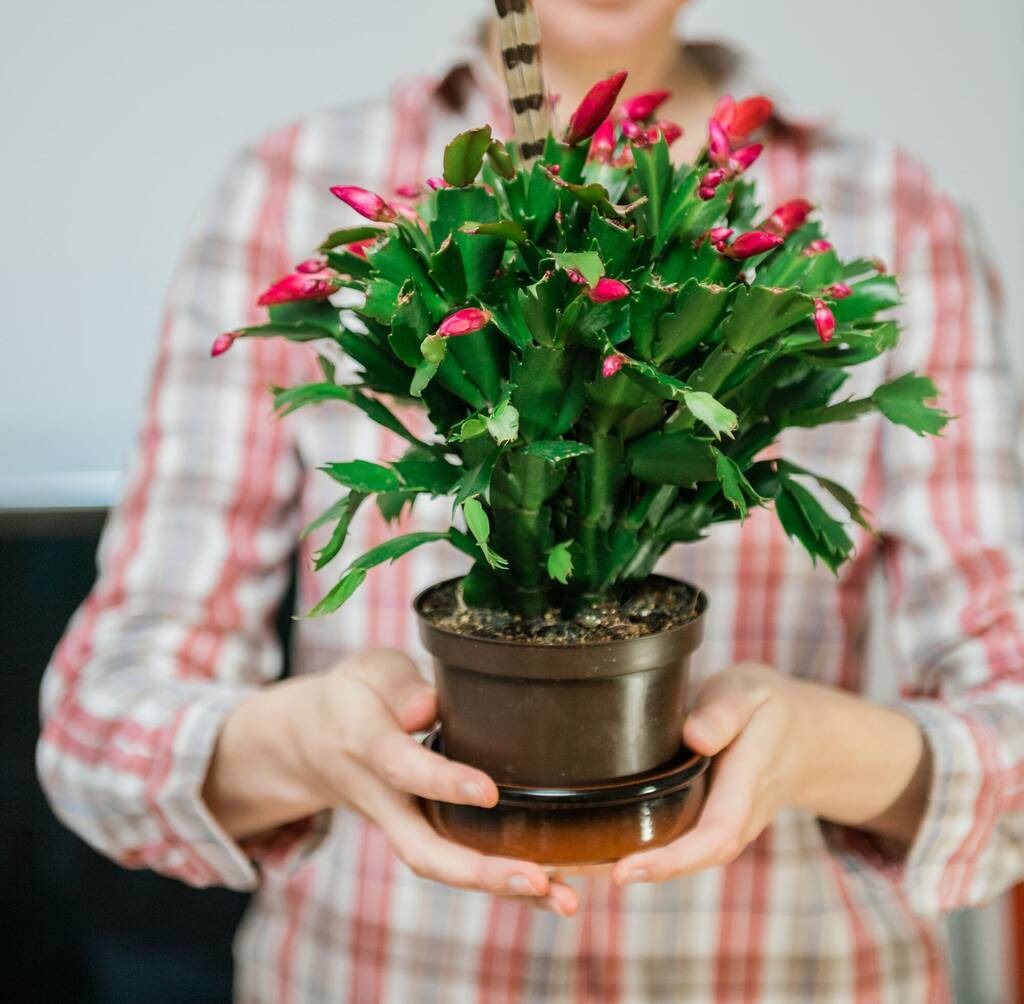
Place your plant in bright but indirect sunlight. A north or east-facing window works best. Too much direct sun can cause leaf discoloration, while too little can prevent flowering.
Temperature:
Ideal temperatures range from 60°F to 75°F (16°C to 24°C). In cooler months, avoid exposing your cactus to drafts or sudden temperature changes. If the temperature drops below 50°F (10°C), bring your plant indoors.
Quick Tip: Consistency is key. Christmas cacti dislike sudden changes in their surroundings.
- Water Wisely and Boost Humidity
These plants are tropical cacti—not desert dwellers—so they appreciate moisture, but they hate soggy soil.
Watering Guidelines:
Water thoroughly once the top inch of soil feels dry.
Make sure the pot has drainage holes to prevent root rot.
Avoid leaving the pot sitting in excess water.
Humidity Boost:
Holiday cacti thrive in higher humidity than most homes provide. You can increase humidity by placing a shallow tray filled with water and pebbles under or near the plant. Just be sure the bottom of the pot doesn’t sit directly in the water.
- Feed and Repot Thoughtfully
Proper nutrition and occasional repotting will encourage continued growth and repeat blooming.
Fertilization Schedule:
During active blooming: Use a balanced houseplant fertilizer once a month.
After blooming ends: Feed every two weeks during the spring and summer growing season.
Use a fertilizer that’s higher in phosphorus (the middle number on the label) to encourage blooms.
Repotting Tips:
Repot only when roots become crowded or outgrow the container—typically every 2–3 years.
Choose a slightly larger pot and well-draining soil (like a mix designed for succulents or orchids).
Avoid repotting during or immediately after blooming, as it can stress the plant and interrupt its bloom cycle.
- Trick Your Cactus into Blooming Again
If you want more blooms after the holidays, you’ll need to mimic nature’s seasonal cues to kickstart a new blooming cycle.
The Blooming Formula:
Darkness: Provide 12–14 hours of uninterrupted darkness each night.
Cooler Temps: Maintain nighttime temperatures around 50–55°F (10–13°C).
Timing: Follow this routine for about four weeks, and you should start to see new buds forming.
You can create a dark environment by placing the plant in a closet or covering it with a box in the evening. Just make sure it still gets bright light during the day.
Repeat this process after the first bloom cycle ends, and your cactus could bloom again in spring or late summer.
- Propagate for More Plants (and More Blooms!)
After blooming, consider taking a few healthy cuttings to grow new plants or share with friends.
How to Propagate:
- Twist or cut off a segment with 2–3 leaf sections.
- Let the cutting dry for a day or two to callous.
- Plant in a small pot with moist, well-draining soil.
- Keep it in indirect light and water sparingly until roots form.
New plants typically begin blooming in their second year—sometimes sooner with the right care.
Final Thought
Getting your Christmas cactus to bloom more than once a year takes a little planning, but the rewards are well worth it. By providing the right environment, understanding its blooming cycles, and giving it some seasonal cues, your cactus can light up your home with color not just at Christmas, but throughout the year.