
Knowing how long it takes your body to digest different types of food can help you improve meal planning, reduce digestive discomfort, and support long-term gut health. Digestion time varies greatly depending on the type of food you eat—some items pass quickly through the digestive system, while others may take hours.
This guide explores the average digestion time for major food groups, explains how the digestive process works, and offers actionable tips for optimizing digestion naturally.
How Digestion Works in the Body
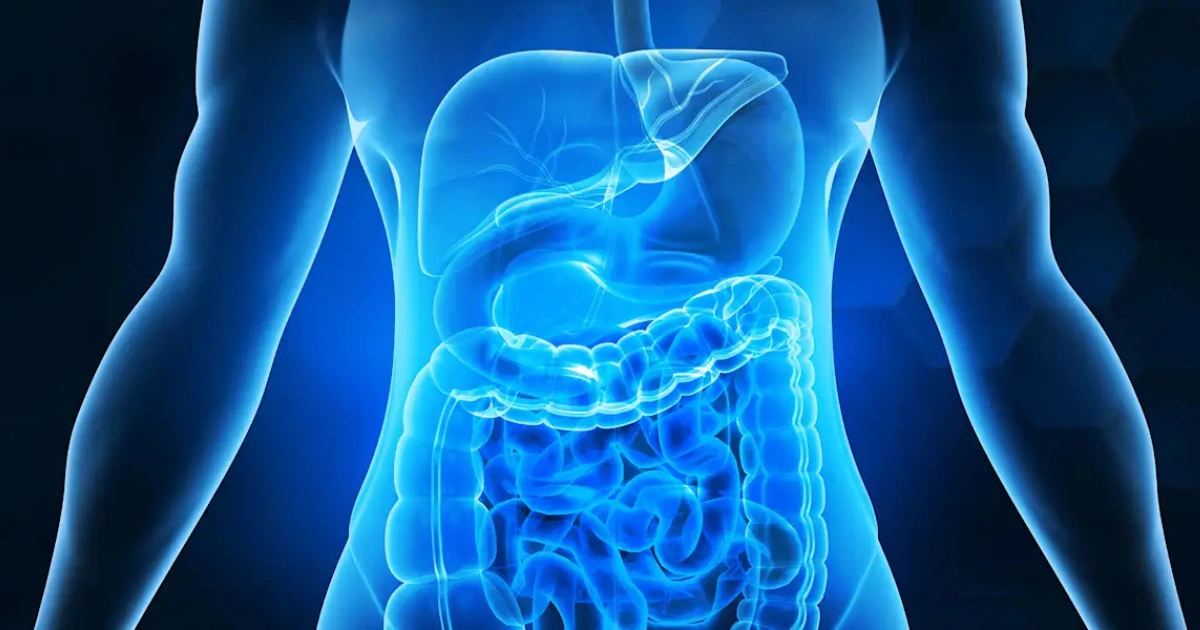
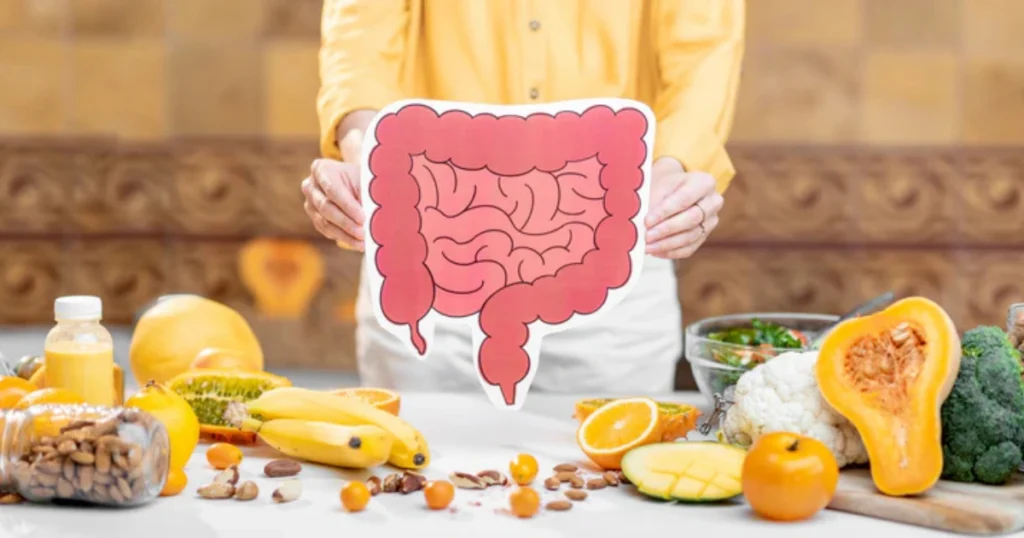
Digestion begins in the mouth with chewing and the release of enzymes in saliva. After swallowing, food moves to the stomach, where acid and enzymes break down proteins. It then travels to the small intestine for nutrient absorption, and finally to the large intestine, where water is extracted and waste is formed.
The total time from ingestion to elimination varies but can take anywhere from 24 to 72 hours. However, the digestion time in the stomach varies widely by food type—and that’s what affects how you feel after eating.
Average Digestion Times by Food Category
Fruits and Vegetables
These are among the fastest-digesting foods.
- Watermelon, melon, and cucumber: 20–30 minutes
- Apples, pears, grapes: 30–40 minutes
- Oranges and citrus fruits: 30–40 minutes
- Raw leafy greens and vegetables: 30–40 minutes
- Steamed or cooked vegetables: 40–50 minutes
Because of their high water and fiber content, fruits and vegetables move quickly through the stomach, especially when eaten alone.
Carbohydrates
Simple and refined carbohydrates digest faster than complex or whole grains.
- White bread, white rice, pasta: 1–2 hours
- Potatoes: 1.5–2 hours
- Oats, quinoa, and other whole grains: about 2 hours
While fast-digesting carbs offer quick energy, complex carbs are better for sustained fullness and blood sugar stability.
Proteins
Protein digestion requires more enzymatic effort and often takes longer.
- Eggs: 30–45 minutes
- White fish: around 30 minutes
- Fatty fish like salmon: 45–60 minutes
- Skinless chicken: 1.5–2 hours
- Red meat (beef, lamb): 3–4 hours
- Legumes (lentils, beans): 2–3 hours
- Milk and yogurt: 1–2 hours
- Soft cheeses: about 2 hours
- Aged cheeses: 4–5 hours
Protein-rich foods promote satiety but can feel heavy when consumed in large quantities or with hard-to-digest sides.
Fats, Nuts, and Seeds
Fats take longer to break down than carbohydrates but offer long-lasting energy.
- Nuts and seeds (almonds, chia): 2–3 hours
- Oils (olive, coconut): about 30 minutes
- Butter and margarine: 2–3 hours
Keep in mind that many nuts are high in fat and fiber, which can slow digestion while supporting heart health.
Beverages
Drinks are processed differently but can still impact digestion depending on their temperature and ingredients.
- Water: nearly immediate absorption
- Fresh juices: 15–30 minutes
- Herbal teas: 30–45 minutes
- Coffee and caffeinated tea: 30–45 minutes
Cold or sugary drinks consumed with meals can dilute digestive enzymes, slowing down the breakdown process.
What Slows Down Digestion?
Several habits and health conditions can delay digestion time:
- Large, heavy meals
- Eating incompatible food combinations (e.g., high protein and high starch)
- Lack of movement after meals
- Digestive disorders like acid reflux, gastritis, or irritable bowel syndrome
Addressing these factors can make a noticeable difference in how quickly your food is processed.
How to Improve Your Digestion Naturally
Small lifestyle changes can enhance digestion and reduce discomfort after meals.
- Chew thoroughly: Aim for 20 to 30 chews per bite to support enzymatic breakdown.
- Avoid oversized portions: Eat smaller, balanced meals to reduce strain on your stomach.
- Limit water intake during meals: Too much liquid can dilute digestive acids. Drink water between meals instead.
- Eat fruit on an empty stomach: Combining fruit with heavy meals can lead to fermentation and bloating.
- Get moving: A short walk after eating helps stimulate the digestive process.
- Track your food reactions: Keep a food diary to note symptoms and adjust your habits accordingly.
Common Mistakes That Impact Digestion
- Eating fruit immediately after meals may cause gas and bloating. Try eating fruit 30 minutes before or between meals.
- Drinking too much during meals can weaken stomach acid. Sip water instead of drinking full glasses while eating.
- Mixing heavy proteins and refined carbs can slow digestion. Opt for more balanced combinations like lean proteins with vegetables.
- Not chewing properly makes it harder for your stomach to do its job. Slow down and enjoy your food.
Benefits of Optimized Digestion
Improving digestion time leads to a range of physical and mental health benefits:
- Less bloating, gas, and discomfort
- Better nutrient absorption
- Increased post-meal energy and focus
- Reduced risk of digestive disorders
- Enhanced immune function and metabolic efficiency
A healthy digestive process helps your entire body perform better—starting from how you eat to how your body processes and absorbs nutrients.
Seasonal and Regional Eating Tips
Adapting your meals to your environment can support digestion:
- In hot climates like North Africa, prioritize hydrating foods such as watermelon, cucumber, and mint.
- In colder months, eat more cooked vegetables, oats, quinoa, and fish for warmth and digestive ease.
- Use herbs like ginger, fennel, and mint to stimulate digestion without overwhelming the stomach.
Tools That Can Help You Stay on Track
- A glass of room-temperature water for daily hydration
- Comfortable cutlery for mindful chewing
- A timer or watch to track how long you chew
- A food journal to log digestion issues or symptoms
- Comfortable walking shoes to encourage light movement after meals
Frequently Asked Questions
How long does it take to digest a full meal?
It depends on the ingredients. A light plant-based meal may take 30 to 60 minutes, while meals with red meat or aged cheese can take 3 to 5 hours.
Why do some foods stay longer in the stomach?
Foods high in fat or dense proteins take longer to break down due to the need for more gastric acid and enzymes.
What helps food digest faster?
Chewing well, spacing meals, avoiding heavy combinations, and walking after eating can speed up digestion.
Is it true that fruit digests faster than meat?
Yes. Most fruits digest within 20 to 40 minutes, while meat can remain in the stomach for up to four hours.
Which drinks slow down digestion?
Cold sugary drinks and excessive caffeine after meals can reduce enzyme activity and delay digestion.
Internal Linking Suggestions
- How to Meal Plan for Better Digestion
- Herbal Teas for Digestive Health
- Probiotics and Prebiotics in Your Diet
External Link Suggestions
- Mayo Clinic – Gut Health Basics
- Harvard School of Public Health – Nutrition and Digestion
- Cleveland Clinic – Tips for Bloating and Digestion
SEO Summary
Main keyword: digestion time
LSI/NLP keywords used: how long does food take to digest, digestion speeds by food, protein digestion, fruit digestion time, improve digestion naturally, food combinations digestion, fast digesting foods
Internal link suggestions:
- How to Meal Plan for Better Digestion
- Herbal Teas for Digestive Health
- Probiotics and Prebiotics in Your Diet
External link suggestions: - Mayo Clinic – Gut Health Basics
- Harvard School of Public Health – Nutrition and Digestion
- Cleveland Clinic – Tips for Bloating and Digestion