
A warm, insect‑free home without toxic chemicals? Yes, please! Cloves—used for generations—offer both fragrance and pest protection. This guide gives you three simple DIY recipes, an easy how‑to approach, helpful tips, and FAQs to keep bugs out the natural way while filling your home with a cozy scent.
Why Cloves Work as a Natural Pest Defender (~200 words)
Cloves contain eugenol, a strong aromatic compound that naturally deters insects—like mosquitoes, ants, moths, pantry pests—without harming humans or pets. This essential oil makes bugs uncomfortable and sends them packing, while leaving a pleasant spicy‑warm aroma behind.
Because cloves are natural and biodegradable, they make a perfect non-toxic pest control solution. They don’t leave harsh residues or unsafe chemicals, and their fragrance is gentle and inviting—especially compared to typical bug sprays.
Using clove-infused items—whether soap bars or sprays—combines home pest control and DIY home fragrance in a single eco‑friendly solution.
Three DIY Clove Pest‑Repellent Recipes (~400 words)
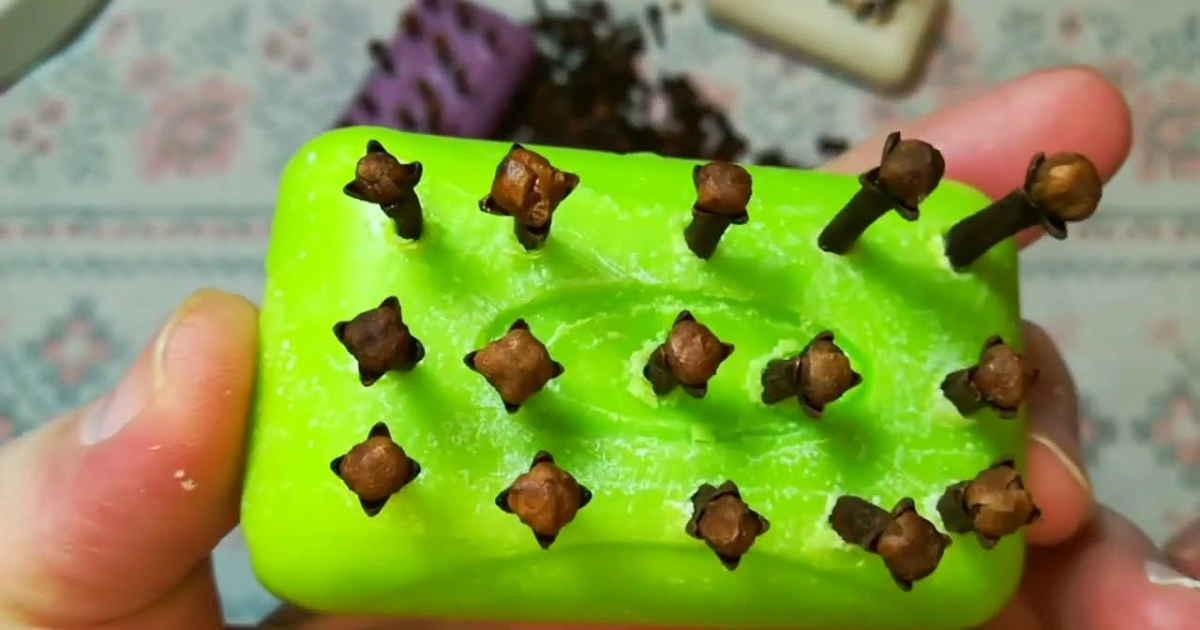
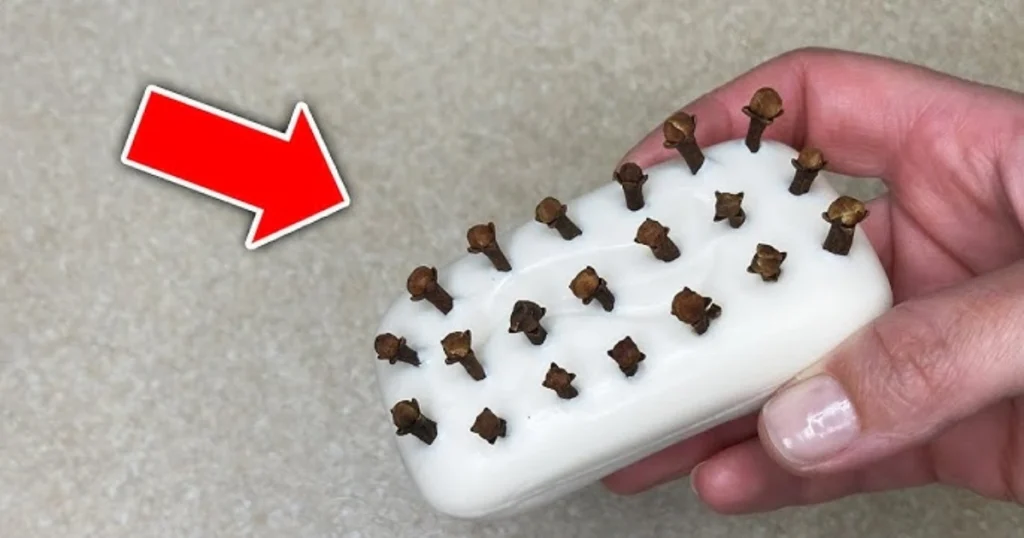
Clove‑Studded Soap Bar
You only need a plain bar of soap and ~30 whole cloves.
Press cloves into the soap’s surface, spaced evenly. Let it rest for 24 hours to ensure dryness, then place in key spots like windowsills, bathrooms, cupboards, or damp corners. This method blends decoration, aroma, and gentle insect deterring.
White Vinegar + Clove Spray
A dual‑purpose cleaner and repellent:
1 cup hot water
1 cup white vinegar
About 3 tablespoons whole cloves
Steep the mixture for 15–20 minutes, strain, and pour into a spray bottle. Mist along baseboards, kitchen countertops, inside the fridge, bins, and other bug‑prone zones. It disinfects, freshens the area, and discourages pests naturally.
Boiled Clove Multi‑Purpose Spray
A fragrant, insect‑repelling spritz for fabrics and corners:
Boil ~150 ml water with a handful of cloves. Cool completely. Transfer into a bottle, then mix in 200 ml rubbing alcohol (or clear alcohol), 3–4 tablespoons vinegar, and optionally 50 ml fabric softener. Shake well before use. Let treated fabrics dry fully before use. Great on curtains, wardrobes, beds, furniture—anywhere bugs hide or odor might linger.
Step‑by‑Step Instructions (~300 words)
Follow these simple steps to make and use your clove repellents effectively:
Gather supplies: cloves, bar soap, vinegar, water, alcohol, spray bottles, pot
Make clove soap: embed ~30 cloves in each bar. Let dry 24 hours to avoid mold.
Prepare vinegar spray: mix hot water with vinegar and cloves, steep, strain, bottle.
Create boiled clove spray: simmer cloves in water, cool, add alcohol, vinegar, (softener).
Set up placement
• Soap bars: put near doorframes, corners, moisture-prone areas
• Vinegar spray: lightly mist edges, under sinks, fridgeoutsides
• Multi-purpose spray: spritz lightly on curtains, closets, linens
Refresh regularly: swap soap every 4–6 weeks when odor fades. Rebrew sprays monthly or when scent diminishes.
Common Mistakes & How to Fix Them (~200 words)
• Using too few cloves → weak aroma, limited effectiveness.
• Placing wet soap before it dries → risk of mold or mushiness.
• Over‑spraying fabrics → can stain; always spot‑test first on a hidden patch.
• Forgetting to reapply → when scent fades, pests may return.
• Using around pets or children without caution → keep sprays out of reach and ventilate room.
Fixes: use sufficient cloves, allow soap to dry, test sprays on fabric, set reminders to refresh, and prioritize safe placement.
Benefits of Using Clove‑Based Homemade Repellents (~200 words)
• Non-toxic, safe for families and pets
• Natural warm aroma instead of harsh chemicals
• Multi-functional: cleans, scents, and repels
• Budget-friendly and easy to remake
• Eco-conscious—reduces chemical use in your home
• A mindful way to support a more natural, sustainable household
Seasonal & Regional Tips (~150 words)
Hot summer months invite more pests—keep soap bars near windows and high‑traffic entry points. In humid or tropical regions, the vinegar spray can also help control mold and mildew. During colder seasons or dryer climates, the fragrance becomes more noticeable indoors, so you may reduce frequency of refresh. In rainy areas, place soap off wet surfaces to avoid dissolving prematurely. Adjust dosage and refresh rhythm based on local humidity and temperature levels.
🧰 Tools & Materials Checklist
🧼 Bar soap(s)
🌿 Whole cloves (≥100 buds)
🥫 White vinegar
💧 Spray bottle(s)
🔥 Small pot or kettle
🥃 Alcohol (rubbing or clear)
🌸 Fabric softener (optional)
☕ Fine mesh strainer
📅 A reminder system (notes or calendar)
FAQs
How do cloves repel insects?
Clove buds emit eugenol, a strong scent insects dislike and avoid. It messes with their sensory cues, making your home unappealing to them.
Are these recipes safe around children and pets?
Yes, when used wisely. Keep soaps and sprays out of reach. Always let spray‑treated areas dry fully and ventilate. Avoid direct contact with sensitive skin or eyes.
How often should I replace the soaps and sprays?
Swap soap bars every 4–6 weeks when the fragrance dulls. Refresh spray recipes monthly—or sooner if the scent fades more quickly in warm or humid conditions.
Can I swap cloves for other spices like cinnamon or peppermint?
You can! Cinnamon sticks and peppermint oil also deter bugs. But clove’s eugenol content makes it especially powerful for pest control.
How long does clove scent typically last?
Indoor scent usually persists 1–2 weeks, depending on airflow and humidity. Refresh more often in well‑ventilated, hot, or moist areas.
Encouraging Conclusion
Using clove‑infused soaps and sprays is a beautiful blend of tradition and effectiveness. No toxic residues. Just cozy fragrance and a chemical‑free safeguard against insects. Try all recipes to discover what works best in your space. Share your experience or photo in the comments—and pass this guide to friends who appreciate eco-friendly home tips. Together, we build homes filled with natural fragrance and free of pests!
Sources
Demander à ChatGPT