

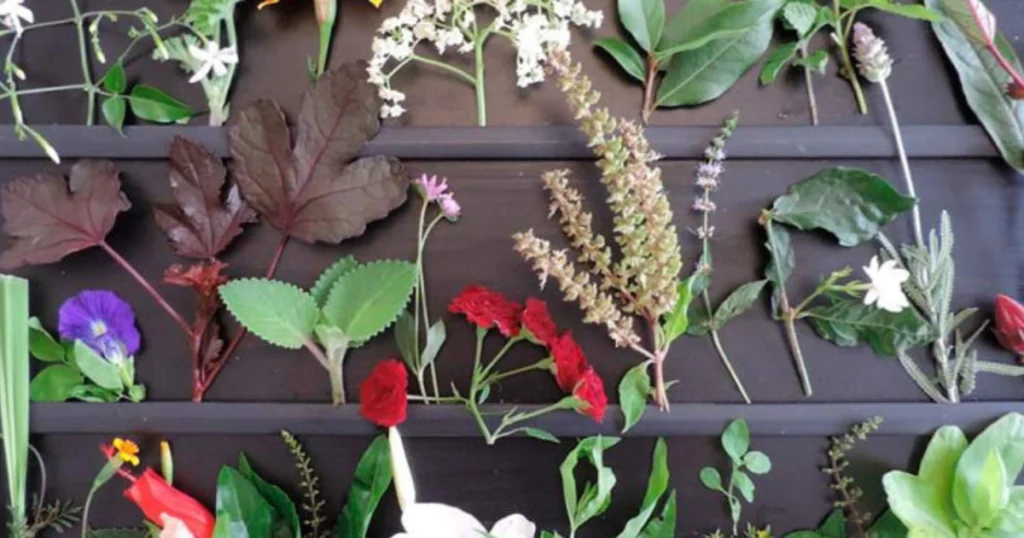
Non-conventional edible plants, often referred to as PANC (from the Portuguese Plantas Alimentícias Não Convencionais), are a treasure trove of nutrition, flavor, and sustainability. Often overlooked or labeled as weeds, these plants can be used in salads, soups, teas, and more, offering an affordable and ecologically friendly alternative to mainstream crops.
In this guide, we’ll introduce you to a variety of PANC species, explore their uses in the kitchen, and discuss their health benefits.
Primary keyword: non-conventional edible plants
Related keywords: PANC, edible wild plants, plant-based nutrition, foraged food, culinary herbs, sustainable gardening, wild greens, alternative crops
What Are Non-Conventional Edible Plants?
Non-conventional edible plants are those not widely cultivated or commercialized but have culinary or nutritional potential. Many of them grow spontaneously in rural or urban settings and have been used in traditional diets for generations. Embracing these plants promotes biodiversity, supports food sovereignty, and reduces dependency on industrial agriculture.
Popular PANC Species and How to Use Them
1. Purple Butterfly Plant (also known as “Mother-in-Law’s Tongue”)
This ornamental-looking plant is more than just beautiful. Its leaves can be used raw in salads or lightly cooked.
How to prepare:
- Wash the leaves thoroughly
- Add lemon juice, vinegar, and a pinch of salt
- Drizzle with garlic sautéed in olive oil or pork fat for flavor
Tip: Soaking in cold water for 30 minutes helps reduce bitterness.
2. Purple Seaweed (Violet Algae)
Used decoratively and nutritionally, this edible seaweed is rich in minerals.
Preparation steps:
- Wash under running water
- Soak in filtered water with a few drops of sodium hypochlorite
- Tear into small pieces, season, and add to salads
- Top with edible flowers for a visual boost
3. Caruru (Amaranthus spp.)
Caruru leaves resemble spinach in taste and are highly versatile.
Culinary uses:
- Soups, stews, sauces, quiches, pancakes, pastries
- Seeds can be toasted or added to bread and cake batters
Important: Always cook before consumption to reduce antinutritional compounds.
4. Clover (Oxalis or Trifolium spp.)
This plant can be consumed fresh or cooked and is known for its tartness.
Recipe ideas:
- Clover salad with chayote and wild leafy greens
- Clover cream soup with potatoes, onion, almonds, and herbs
- Clover jelly using fresh leaves, water, and sugar
5. Sawgrass (Used in folk medicine)
Beyond its culinary uses, sawgrass is praised for digestive and calming effects.
Tea preparation:
- Chop the leaves coarsely
- Add hot water and steep for 10 minutes
- Strain before drinking
Other uses: Omelets, soufflés, meatballs, and preserved preparations.
6. Plantain (Plantago major)
Rich in fiber and anti-inflammatory properties, plantain is widely usable.
Leaves:
- Raw in salads (slightly bitter)
- Cooked, steamed, or pan-fried
- Blended into smoothies or herbal infusions
Seeds:
- Can be ground or added to baked goods
Medicinal use: External compresses for skin issues.
7. Dandelion (Taraxacum officinale)
A well-known weed with extensive culinary and health benefits.
Edible parts:
- Leaves: Used in salads or sautéed
- Flowers: Make jelly or fried fritters
- Roots: Brewed into tea or roasted as a coffee substitute
Rich in vitamins A, B, C, potassium, and iron.
8. Drymaria cordata (“Frog cord”)
Used both culinarily and medicinally.
Usage:
- Fresh in salads or cooked into sauces and omelets
- Dried and ground to fortify breads, pancakes, and porridges
Health benefits: Commonly used to treat sore throats and vocal inflammation.
9. Alternanthera tenella (Perpetua)
Though considered a weed in conventional agriculture, it offers unique culinary and medicinal value.
Culinary uses:
- Adds a vivid green color and herbal flavor to sauces and purées
- Blends well into dumplings, soups, and herb creams
Medicinal note: Acts as a diuretic, anti-inflammatory, and antibacterial agent.
Benefits of Embracing Non-Conventional Edible Plants
- Biodiversity: Increases variety in home gardens and prevents monoculture dependency
- Nutrition: Many PANCs are packed with fiber, minerals, and vitamins
- Sustainability: Often require fewer resources to grow and adapt well to local climates
- Cost-effective: Many grow spontaneously and are easy to cultivate without fertilizers
How to Safely Incorporate PANC into Your Diet
- Proper Identification: Always confirm plant identity before consumption
- Harvest Responsibly: Avoid areas treated with pesticides or near polluted zones
- Moderation: Try small amounts first, especially if the plant is new to you
- Cooking Methods: Some species require cooking to neutralize toxins or antinutrients
Frequently Asked Questions
What are some easy PANC plants to grow at home?
Caruru, plantain, and dandelion are beginner-friendly and thrive in varied conditions with minimal care.
Are non-conventional edible plants safe to eat?
Yes, if properly identified and prepared. Always research or consult expert sources before eating wild plants.
Can I replace spinach or kale with PANC greens?
Absolutely. Caruru and purple butterfly plant offer similar taste and texture, making them great substitutes in cooked dishes.
Where can I learn more about edible wild plants?
Trusted botanical guides, university agriculture departments, and reputable permaculture websites are excellent resources.
Do these plants have medicinal uses too?
Yes. Many PANCs, like dandelion and Alternanthera, are used in herbal medicine for their diuretic, digestive, or anti-inflammatory effects.
Internal Linking Suggestions (from secretsofthegreengarden.com)
- How to Grow Dandelions for Food and Medicine
- Plantain Benefits and Growing Guide
- Beginner’s Guide to Wild Edible Greens
External Sources
- United States Department of Agriculture – Wild Edible Plants
- Royal Botanic Gardens, Kew – Plant Diversity
- NC State Extension – Edible Landscaping Plants
Conclusion
Embracing non-conventional edible plants opens up a world of culinary exploration and ecological responsibility. Whether you’re adding wild greens to a salad, brewing herbal teas, or enriching baked goods, these underused plants offer outstanding flavor and nutrition. Start with easy-to-find species, grow your knowledge gradually, and turn your backyard or balcony into a thriving food forest.