
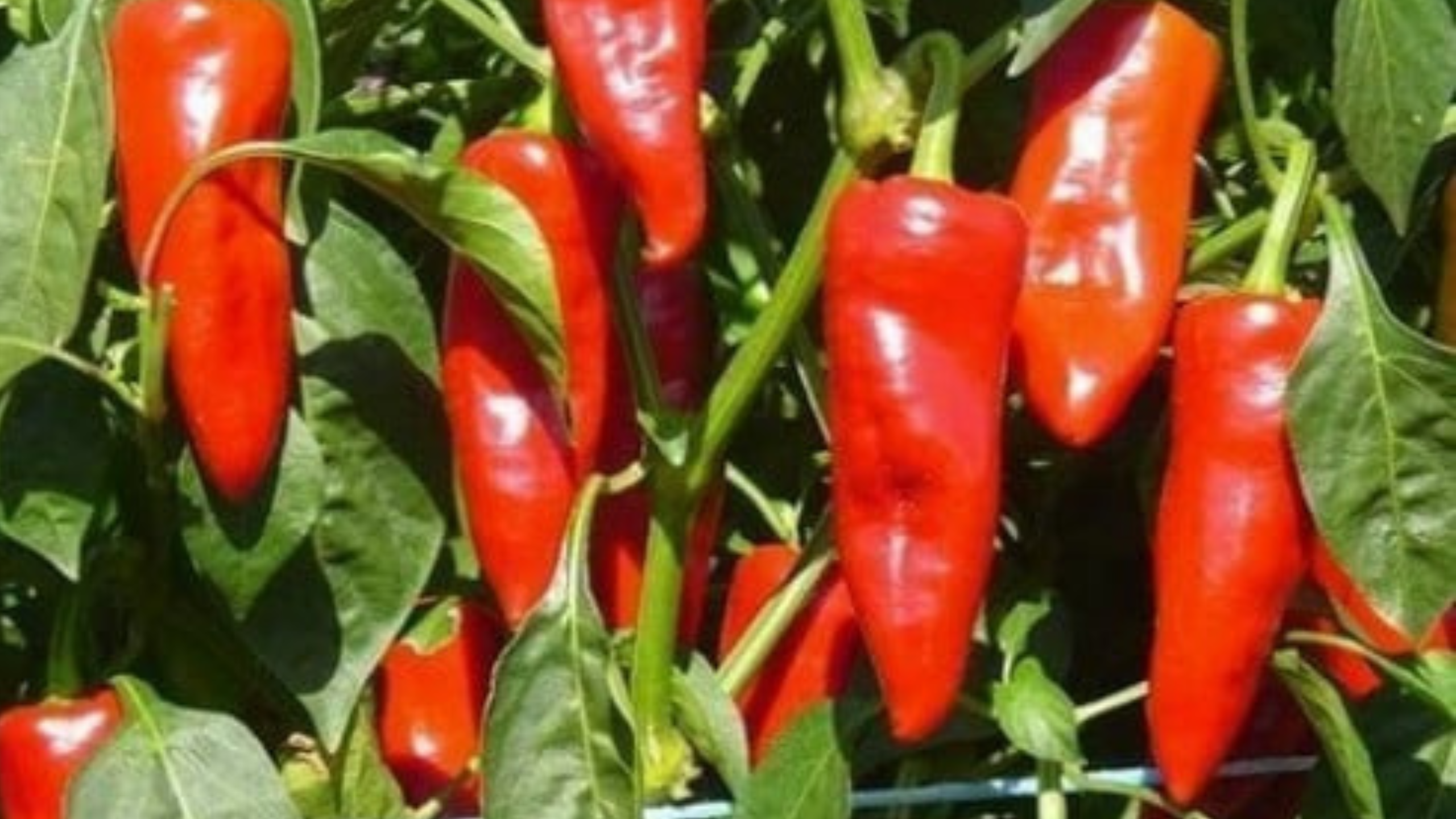
When we think of chili peppers, it’s often the fiery fruits that come to mind—those red or green bursts of heat that spice up everything from soups to sauces. But what about the leaves of the chili plant?
Surprisingly, chili pepper leaves are an underappreciated part of the plant that are packed with nutrients and culinary potential. Used for generations in traditional Asian and Latin American cuisines, these tender green leaves deserve a place on your plate—and in your health routine.
Let’s take a closer look at why chili pepper leaves are worth celebrating, how they benefit your health, and how to prepare them easily at home.
What Makes Chili Pepper Leaves Special?
Chili pepper leaves grow just below the peppers and are smooth, tender, and deep green in color. Unlike the spicy kick of the fruit, the leaves offer a mild, earthy flavor—often compared to spinach or watercress—which makes them incredibly versatile in the kitchen.
These leaves have long been used in dishes like Filipino tinola soup, various Asian stir-fries, and herbal teas. They’re also becoming popular in health-conscious circles due to their nutrient-rich profile and subtle taste.
Nutritional Powerhouse in a Leaf
Chili pepper leaves may be small, but they pack a serious nutritional punch. Here’s what you’ll find in every handful:
Vitamin A: Crucial for maintaining healthy vision, skin, and immune function.
Vitamin C: A strong antioxidant that supports your immune system and skin health.
Iron: Helps your body produce red blood cells, preventing fatigue and anemia.
Calcium: Essential for strong bones and healthy muscle function.
Antioxidants: Combat oxidative stress, reduce inflammation, and lower the risk of chronic illnesses.
These nutrients make chili pepper leaves a smart choice for anyone looking to naturally boost their health and energy.
Top 5 Health Benefits of Chili Pepper Leaves
- Boosts Your Immune System
Rich in vitamin C and antioxidants, these leaves support your body’s natural defenses. Regular consumption can help fend off common illnesses like colds and flu by neutralizing harmful free radicals.
- Naturally Fights Inflammation
The leaves contain anti-inflammatory compounds that help soothe chronic inflammation—a major contributor to diseases such as arthritis, diabetes, and heart disease. Adding them to your diet can help reduce swelling and pain in the body.
- Supports Respiratory Health
Traditionally used in herbal remedies for coughs and congestion, chili pepper leaves help open airways and reduce symptoms of respiratory conditions. Their antioxidants and soothing properties make them ideal for people dealing with asthma, allergies, or frequent colds.
- Improves Digestion
The slightly bitter flavor of chili pepper leaves can stimulate digestive enzymes, making it easier for your body to break down food and absorb nutrients. They also help relieve bloating and encourage regular bowel movements.
- Promotes Natural Detoxification
Thanks to their high antioxidant content, these leaves support liver function and help the body eliminate toxins. Regularly consuming chili pepper leaves can assist in keeping your body’s detox system running efficiently.
How to Use Chili Pepper Leaves in Your Cooking
Adding chili pepper leaves to your meals is simple and delicious. Here are some popular ways to enjoy them:
Soups and Stews
Add the leaves near the end of cooking to brothy dishes like Filipino tinola or chicken soup. They blend well with garlic, ginger, and lemongrass, enhancing both flavor and nutrition.
Stir-Fries
Toss a handful into your next vegetable or noodle stir-fry. The leaves wilt quickly and pair nicely with soy sauce, sesame oil, and chili for a balanced, earthy taste.
Herbal Teas
Steep fresh or dried leaves in hot water to make a calming detox tea. This herbal infusion aids digestion and helps relax your body, especially after meals.
Scrambled Eggs
Chop the leaves finely and stir them into eggs or omelets. They add a subtle, savory note along with extra vitamins and minerals.
Fresh Salads
Blanch the leaves briefly, then cool and toss them with other greens, olive oil, and lemon juice for a nutrient-packed salad.
DIY Trail Mix
Dry the leaves and combine them with roasted nuts and seeds for a crunchy, health-boosting snack on the go.
How to Harvest and Prepare Chili Pepper Leaves
Want to grow or use your own chili leaves? Follow these steps to get the best flavor and benefits:
Harvesting
Pick young, tender leaves from healthy chili plants. These have the best taste and are richest in nutrients.
Cleaning
Rinse thoroughly under running water to remove dirt or insects. A quick soak in water with a splash of vinegar can help sanitize them.
Blanching
Blanching helps reduce any bitterness and soften the texture. Simply boil the leaves for 15–30 seconds, then transfer them to ice water to stop the cooking.
Cooking
Add the leaves to dishes near the end of cooking to preserve their nutrients. Avoid overcooking, which can destroy vitamins and make the leaves mushy.
Safety Tips: What You Should Know
While chili pepper leaves are generally safe, here are a few guidelines:
Only use leaves from edible chili plants (like Capsicum annuum or Capsicum frutescens). Avoid leaves from other nightshade plants such as tomatoes or eggplants, as they may contain toxic compounds.
Always cook before eating. This helps neutralize mild alkaloids that could cause stomach upset if eaten raw in large quantities.
Final Thoughts: Don’t Toss the Leaves!
Next time you’re using chili peppers in your cooking, don’t throw away the leaves. Whether you’re making soup, tea, or a simple stir-fry, these green gems can enrich your dish with flavor and supercharge your health.
They’re tasty, versatile, and full of nutrients—everything you want in a modern superfood. So go ahead: embrace the untapped potential of chili pepper leaves and give your meals a healthy, flavorful twist.