
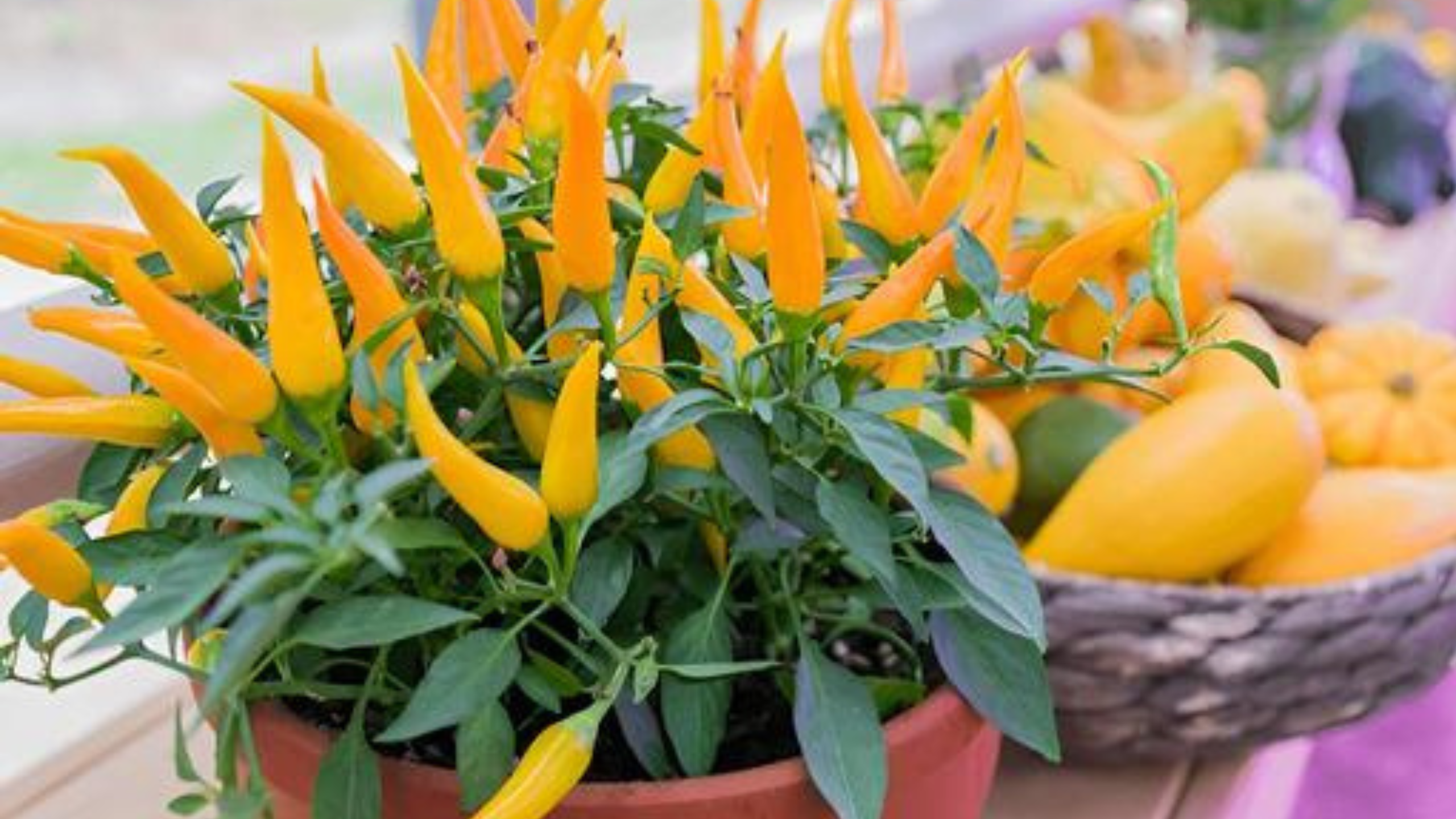
When you think of chili peppers, it’s probably the vibrant, spicy fruit that comes to mind—the kind that adds fiery flavor to your favorite dishes. But did you know that the leaves of the chili pepper plant are also edible and incredibly beneficial?
Often discarded, chili pepper leaves are actually a hidden gem in both cooking and natural health. With their unique taste, versatility in the kitchen, and a list of health benefits, these leafy greens deserve a spot in your culinary routine.
Let’s dive into why you should start savoring chili pepper leaves instead of tossing them away.
Health Benefits of Chili Pepper Leaves
These unassuming greens pack a surprising nutritional punch. Here’s what you gain when you start incorporating chili pepper leaves into your meals:
- Rich in Vitamins and Minerals
Chili pepper leaves are an excellent source of vitamin A, which supports healthy vision and skin, and vitamin C, a powerful antioxidant known to boost immunity. They’re also rich in iron, calcium, and potassium, all of which are essential for maintaining strong bones, muscle function, and overall energy levels.
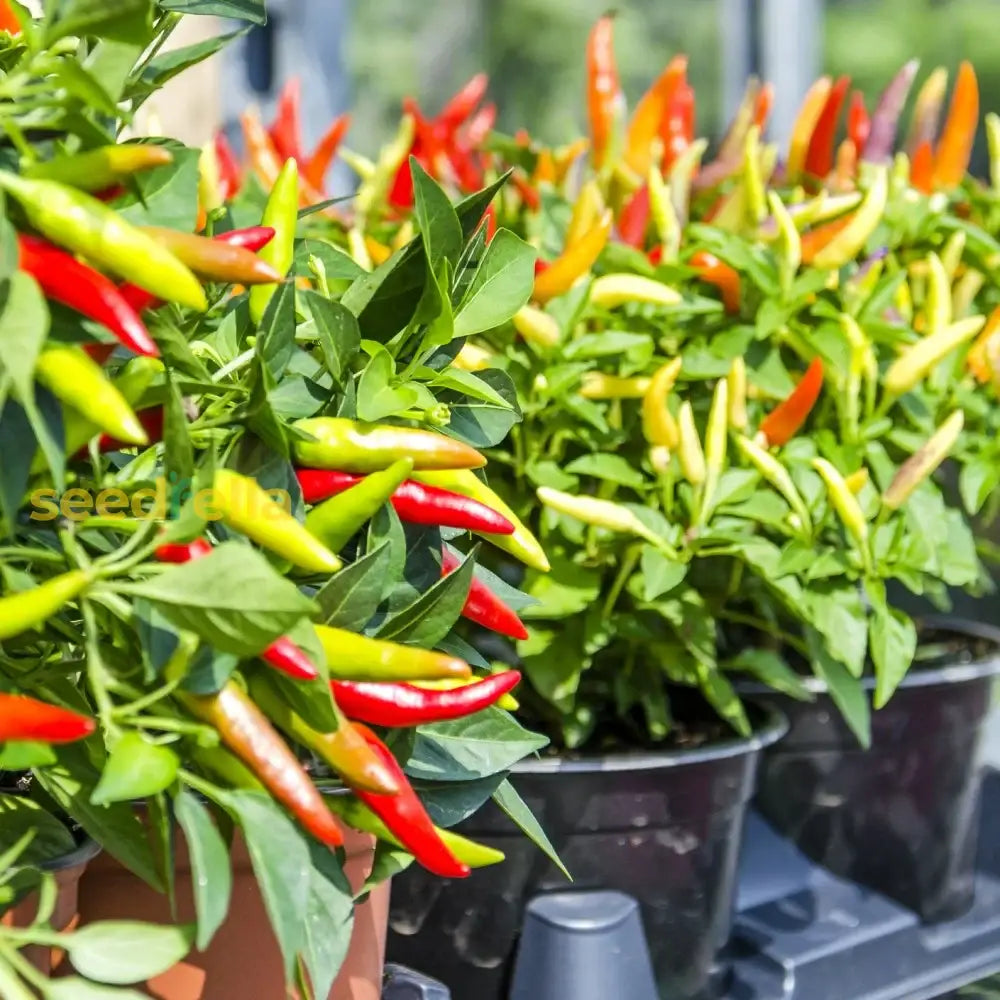
- Natural Anti-inflammatory Properties
Thanks to their high phytonutrient content, chili pepper leaves can help reduce inflammation and support a strong immune system. In traditional medicine, they’ve been used to relieve arthritis, soothe muscle pain, and support healing from minor infections.
- Low in Calories, High in Fiber
Chili pepper leaves are naturally low in calories and high in dietary fiber, making them a smart choice for those focused on digestion or weight management. The fiber content helps you feel full longer while promoting a healthy digestive system.
Culinary Uses: How to Cook with Chili Pepper Leaves
Chili pepper leaves are incredibly versatile and easy to cook with. Here are some simple yet delicious ways to bring them into your kitchen:
- Stir-Fries
Sauté the leaves with garlic and oil, similar to spinach or kale. Add a splash of soy sauce or sesame oil for extra flavor.
- Soups and Stews
In Filipino cuisine, chili pepper leaves are a key ingredient in dishes like Tinola, a ginger-based chicken soup. The leaves soak up the broth, adding subtle earthy flavor and nutrition.
- Omelets and Scrambled Eggs
Chop the leaves finely and mix them into eggs for a nourishing breakfast packed with greens.
- Herbal Teas
Boil a handful of the leaves in water to make a calming herbal tea. This traditional remedy is often used to relieve fever or inflammation.
Important Tip: Always cook chili pepper leaves before consuming. Raw leaves may contain small amounts of solanine, a natural compound that can upset your stomach. Cooking neutralizes this and brings out their best flavor.
Where to Find Chili Pepper Leaves
Depending on your location, fresh chili pepper leaves may not be available at standard supermarkets. However, you can often find them at:
Asian or Latin American markets
Local farmers’ markets
Your own garden, if you grow chili peppers
When harvesting at home, choose young, tender leaves for the best taste and texture.
Why You Should Give Them a Try
Chili pepper leaves are far more than kitchen scraps. They offer a sustainable, nutrient-rich way to elevate everyday meals. As interest grows in natural, plant-based ingredients, these leaves are finally being recognized for their culinary and health potential.
So next time you prepare chili peppers, take a second look at the leaves. Don’t toss them—taste them.