
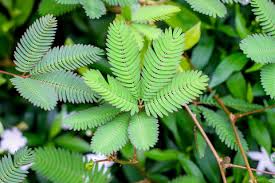
Mimosa pudica, often referred to as the sensitive plant or touch-me-not, is not just a captivating specimen that reacts to touch. This remarkable plant, native to Central and South America, has been utilized for centuries in traditional medicine due to its powerful healing properties. Beyond its fascinating movement, Mimosa pudica offers a plethora of health benefits worth exploring. In this article, we dive into ten significant advantages of this plant and how you can easily incorporate it into your wellness routine.
Mimosa pudica is lauded for its anti-inflammatory properties, which help to reduce inflammation throughout the body. Whether applied topically to diminish swelling or consumed internally, this plant can alleviate various inflammatory conditions such as arthritis and muscle pain.
Additionally, it plays a crucial role in liver health, thanks to its hepatoprotective effects. This means it protects and detoxifies the liver, supporting its function and promoting overall well-being by cleansing the body of harmful toxins.
When it comes to digestive health, Mimosa pudica shines by assisting with issues such as constipation and diarrhea. Its mild laxative properties help regulate bowel movements, while its anti-inflammatory effects work to calm the digestive tract.
Research highlights Mimosa pudica’s antimicrobial and antiviral capabilities, making it effective in preventing infections. It’s a natural choice for treating minor wounds and managing mild viral conditions, underscoring its versatility.
For those battling anxiety or insomnia, Mimosa pudica offers a gentle solution. Known for its sedative and relaxant properties, it can help soothe the nervous system and promote better sleep.
Oral health also benefits from this plant. Its antibacterial qualities make it an effective natural remedy for inflammation and infections in the mouth, throat, and gums.
Moreover, Mimosa pudica is useful for wound healing. Its anti-inflammatory and antimicrobial properties expedite the healing process for cuts, sores, and skin infections when applied as a poultice.
Women experiencing menstrual pain or premenstrual syndrome (PMS) may find relief through this plant, which helps alleviate discomfort and regulate cycles.
Additionally, Mimosa pudica can ease symptoms associated with hemorrhoids, providing topical and internal relief from pain and inflammation.
Finally, being rich in antioxidants, Mimosa pudica combats oxidative stress, supporting overall health and helping to prevent chronic diseases linked to oxidative damage.
To start enjoying its benefits, consider these practical applications:
Herbal Tea: Brew a teaspoon of dried Mimosa pudica leaves in boiling water for ten minutes, strain, and drink to support digestion and relaxation.
Topical Poultice: Crush fresh leaves and stems, apply the paste to wounds or irritations, and cover with a clean cloth for a few hours to promote healing.
Gargle: Boil a handful of leaves in water, cool, and use it as a mouthwash to reduce inflammation and prevent infections in oral health.
Bath Soak: Add dried leaves or a few drops of extract to your bath water for a relaxing soak that promotes skin health.
Capsules or Powders: Available for ease of use, follow recommended dosages for supporting liver health, digestive function, and reducing inflammation.
While the benefits of Mimosa pudica are compelling, it’s essential to consult with a healthcare provider before using it, especially for pregnant or nursing women, or those with specific medical concerns. Excessive use can lead to adverse effects, so stick to recommended dosages for safe consumption.
Mimosa pudica transcends being a mere plant with a curious reaction to touch; it’s a powerful natural remedy with a myriad of health benefits. From reducing inflammation to enhancing liver function, this plant provides various uses that can uplift your wellness routine. Adding Mimosa pudica to your health regimen, whether as tea, poultice, or in other forms, allows you to harness its ancient healing properties. Use this versatile plant responsibly and consult with a healthcare professional when necessary. 🌱🌟