
Primary Keyword: bear species
Bears are among the most recognizable mammals on Earth, admired for their intelligence, adaptability, and important roles in ecosystems. Although they share common characteristics such as powerful bodies, keen senses, and omnivorous diets, each species has evolved unique features that help it survive in different environments.
From the bamboo forests of China to the icy Arctic tundra, understanding the various bear species provides insight into biodiversity, conservation challenges, and the remarkable ways wildlife adapts to changing habitats.
How Many Bear Species Exist Today?
There are eight officially recognized bear species living around the world. They belong to the family Ursidae and occupy diverse ecosystems across North America, South America, Europe, and Asia.
The eight living bear species are:
- Giant Panda (Ailuropoda melanoleuca)
- Brown Bear (Ursus arctos)
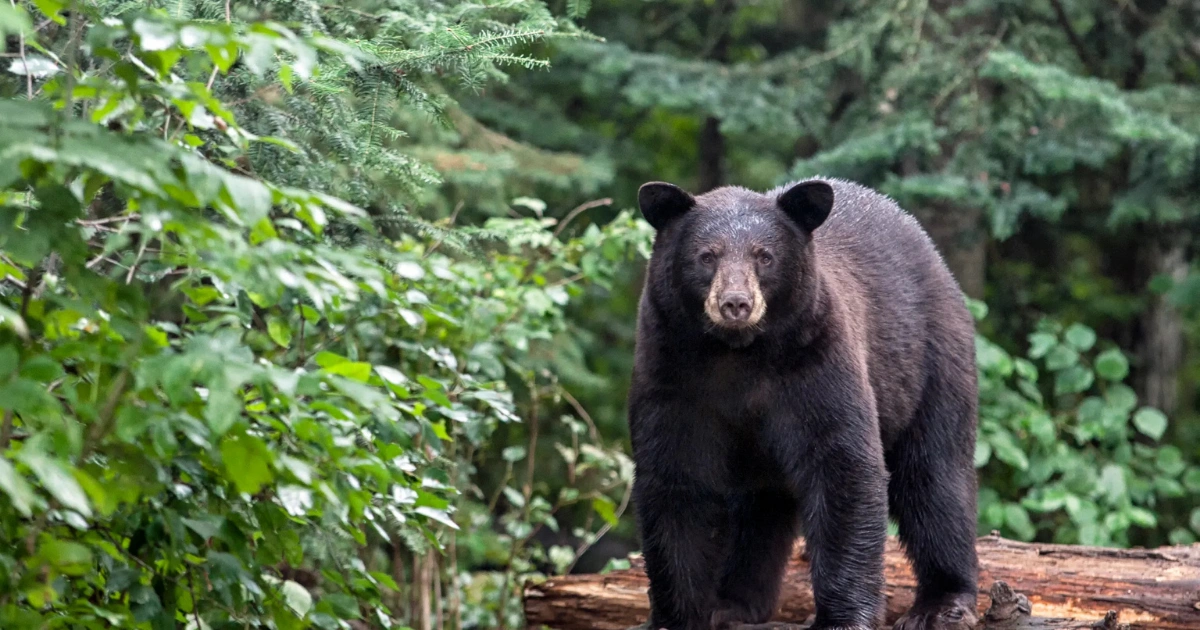
- American Black Bear (Ursus americanus)
- Asian Black Bear (Ursus thibetanus)
- Polar Bear (Ursus maritimus)
- Sloth Bear (Melursus ursinus)
- Spectacled Bear (Tremarctos ornatus)
- Sun Bear (Helarctos malayanus)
Some bears, such as the Kermode bear shown in the infographic, are not separate species but rather unique color variations within existing species.
Giant Panda: The Bamboo Specialist
The Giant Panda is one of the world’s most beloved animals. Native to the mountain forests of central China, this distinctive black-and-white bear has a diet composed almost entirely of bamboo.
Key Characteristics
- Habitat: Mountain forests of China
- Average Weight: 70–125 kg (154–276 lbs)
- Diet: Approximately 99% bamboo
- Conservation Status: Vulnerable
Despite belonging to the order Carnivora, giant pandas have evolved specialized wrist bones that function like thumbs, allowing them to grasp bamboo stems efficiently.
Conservation efforts have significantly improved panda populations over recent decades through habitat protection and breeding programs.
Brown Bear: One of the Largest Bear Species
The Brown Bear is among the most widespread bear species, inhabiting parts of North America, Europe, and Asia.
Its adaptability allows it to thrive in forests, alpine meadows, tundra, and coastal regions.
Key Characteristics
- Habitat: Europe, Asia, and North America
- Average Weight: 180–680 kg (397–1,500 lbs)
- Diet: Omnivorous, including fish, berries, roots, and mammals
- Conservation Status: Least Concern globally
The Kodiak bear of Alaska represents one of the largest brown bear populations, rivaling polar bears in size.
Polar Bear: Master of the Arctic
The Polar Bear is uniquely adapted to life in the Arctic. Unlike most other bear species, polar bears rely heavily on marine environments.
Adaptations for Survival
- Thick insulating fur and fat layers
- Large paws for swimming and walking on ice
- Exceptional sense of smell to detect seals
Key Characteristics
- Habitat: Arctic sea ice regions
- Average Weight: 350–700 kg (770–1,540 lbs)
- Diet: Primarily seals
- Conservation Status: Vulnerable
Climate change and declining sea ice pose significant threats to polar bear populations worldwide.
American Black Bear: North America’s Most Common Bear
The American Black Bear is the most abundant bear species in North America. Despite its name, coat colors can vary from black to cinnamon, brown, and even white in rare cases.
Key Characteristics
- Habitat: Forests across North America
- Average Weight: 90–270 kg (198–595 lbs)
- Diet: Omnivorous
- Conservation Status: Least Concern
These bears are excellent climbers and frequently seek refuge in trees when threatened.
The Unique Kermode Bear
The Kermode Bear, sometimes called the “Spirit Bear,” is a rare white-coated form of the American black bear found primarily in British Columbia, Canada.
Unlike polar bears, Kermode bears are genetically black bears carrying a recessive gene responsible for their distinctive appearance.
Asian Black Bear: The Moon Bear
The Asian Black Bear is easily recognized by the cream-colored crescent marking on its chest, earning it the nickname “Moon Bear.”
Key Characteristics
- Habitat: Forests throughout Asia
- Average Weight: 60–200 kg (132–440 lbs)
- Diet: Fruits, nuts, insects, and small animals
- Conservation Status: Vulnerable
Habitat loss and illegal wildlife trade continue to threaten populations in several regions.
Sloth Bear: The Insect Specialist
Native to the Indian subcontinent, the Sloth Bear possesses unique adaptations for feeding on termites and ants.
Distinctive Features
- Long, curved claws
- Flexible lips for sucking insects
- Shaggy coat adapted to tropical environments
Key Characteristics
- Habitat: India, Nepal, Bhutan, and Sri Lanka
- Average Weight: 55–145 kg (121–320 lbs)
- Diet: Primarily insects and fruits
- Conservation Status: Vulnerable
Unlike many other bear species, sloth bears often carry their cubs on their backs.
Spectacled Bear: South America’s Only Bear
The Spectacled Bear is the only surviving bear species native to South America.
Its name comes from the light-colored facial markings that resemble eyeglasses.
Key Characteristics
- Habitat: Andes Mountains
- Average Weight: 80–175 kg (176–386 lbs)
- Diet: Mostly plant-based
- Conservation Status: Vulnerable
These bears play an important role in seed dispersal, helping maintain healthy mountain ecosystems.
Sun Bear: The Smallest Bear Species
The Sun Bear is the smallest member of the bear family and inhabits tropical forests in Southeast Asia.
Unique Characteristics
- Short black fur
- Distinctive orange or cream chest patch
- Exceptionally long tongue used to extract honey and insects
Key Characteristics
- Habitat: Southeast Asian rainforests
- Average Weight: 25–65 kg (55–143 lbs)
- Diet: Insects, honey, fruits, and small vertebrates
- Conservation Status: Vulnerable
Deforestation and habitat fragmentation remain major conservation concerns.
Why Bear Conservation Matters
Bears serve as keystone species, influencing ecosystem balance through seed dispersal, nutrient cycling, and population regulation of prey species.
Protecting bear habitats benefits countless other organisms sharing the same environments.
Major threats facing modern bear populations include:
- Habitat destruction
- Climate change
- Human-wildlife conflict
- Illegal poaching
- Declining food availability
Supporting conservation initiatives contributes to preserving these iconic animals for future generations.
Fascinating Facts About Bear Species
- Polar bears can swim for dozens of kilometers without rest.
- Giant pandas spend up to 14 hours daily feeding on bamboo.
- Sloth bears use loud suction sounds when feeding on termites.
- Sun bears possess the longest tongue relative to body size among bears.
- Spectacled bears are excellent climbers and often build feeding platforms in trees.
- Kermode bears are found mainly on a few islands and coastal regions of British Columbia.
Frequently Asked Questions About Bear Species
How many bear species are there in the world?
There are eight officially recognized living bear species worldwide.
Is the Kermode bear a separate species?
No. The Kermode bear is a rare white-coated form of the American black bear caused by a recessive genetic trait.
Which bear species is the largest?
Polar bears are generally considered the largest bear species, although some brown bear populations can reach similar sizes.
What is the smallest bear species?
The sun bear is the smallest member of the bear family, typically weighing between 25 and 65 kilograms.
Which bear species is found in South America?
The spectacled bear is the only living bear species native to South America.
Internal Linking Suggestions for Secretsofthegreengarden.com
To improve topical relevance and reader engagement, consider linking to related articles using anchor texts such as:
- Wild Animals That Play Essential Roles in Ecosystems
- How Climate Change Affects Arctic Wildlife
- Understanding Forest Biodiversity and Conservation
Recommended External Resources
For additional information, reference these reputable organizations:
- International Union for Conservation of Nature (IUCN) Red List: https://www.iucnredlist.org
- World Wildlife Fund – Bear Conservation Programs: https://www.worldwildlife.org
- Smithsonian’s National Zoo & Conservation Biology Institute: https://nationalzoo.si.edu
These sources provide authoritative information about bear biology, conservation status, and global protection efforts.
Final Thoughts
The diversity of bear species reflects millions of years of adaptation to environments ranging from tropical rainforests to frozen Arctic landscapes. Each species contributes uniquely to ecosystem health while facing its own conservation challenges.
By learning about these remarkable animals and supporting habitat preservation efforts, we can help ensure that future generations continue to share the planet with some of nature’s most fascinating mammals.