
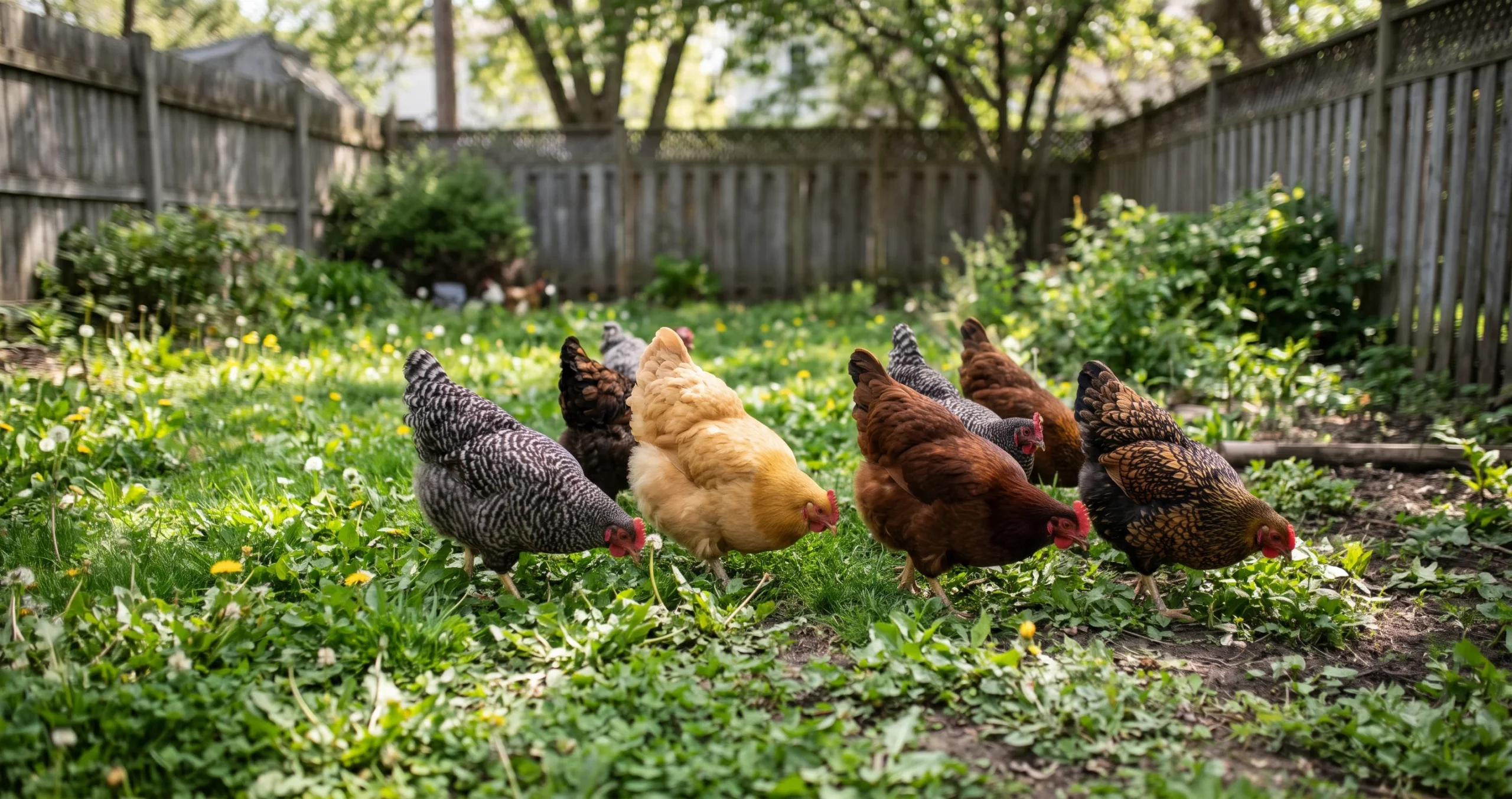
A backyard chicken can lay a blue egg, recognize familiar flock members, and develop a personality that is surprisingly different from the hen standing beside it.
Some chickens eagerly approach their keepers. Others prefer exploring the garden, scratching through fallen leaves, or quietly resting in the shade.
And while all healthy hens have the biological ability to produce eggs, the color, frequency, and size of those eggs can vary considerably.
That is what makes choosing your first flock so interesting.
The best backyard chicken breeds for beginners are not necessarily the ones that produce the most eggs. They are the birds whose temperament, climate tolerance, and care requirements match your home and lifestyle.
A calm Buff Orpington may suit a family interested in friendly chickens, while an energetic Leghorn may appeal to someone focused on egg production.
In this guide, we will explore eight popular chicken breeds, compare their eggs and personalities, and explain how to create a healthy backyard environment.
Table of Contents
- What Makes a Chicken Breed Good for Beginners?
- Backyard Chicken Breeds: The Science Behind Eggs and Temperament
- Eight Backyard Chicken Breeds for Beginners
- Chicken Breed Comparison Table
- How to Choose the Right Chickens for Your Climate
- Essential Care for Backyard Chickens
- In Your Own Yard: Planning Your First Chicken Flock
- Common Mistakes Beginners Should Avoid
- Frequently Asked Questions
- Conclusion
What Makes a Chicken Breed Good for Beginners?
Raising chickens can be rewarding, but not every breed has the same characteristics.
Some breeds were developed primarily for egg production. Others were selected for meat, appearance, or a combination of purposes.
For beginners, three factors are especially important.
A Manageable Temperament
Calm chickens are often easier to handle and observe.
Breeds such as Plymouth Rocks and Orpingtons are frequently described as approachable.
However, temperament varies between individual birds.
Early handling, social conditions, and the flock environment can influence behavior.
Reliable Egg Production
Many beginners want a regular supply of fresh eggs.
Some breeds are known for frequent laying, while others produce fewer eggs but offer advantages such as ornamental appearance or cold tolerance.
Egg production also changes with age, daylight, nutrition, and health.
Adaptability to Local Conditions
Climate matters when choosing chickens.
Birds with dense feathering may tolerate cooler conditions relatively well but require careful heat management during summer.
Large combs can be vulnerable to frostbite in freezing weather.
Regardless of breed, chickens need protection from extreme temperatures, predators, and moisture.
Backyard Chicken Breeds: The Science Behind Eggs and Temperament
The differences between chicken breeds are not accidental.
They reflect generations of selective breeding, genetic variation, and adaptation to different environments.
Understanding these processes helps explain why chickens vary so much in appearance and behavior.
How Selective Breeding Created Different Chickens
Domestic chickens descend primarily from the red junglefowl, although their evolutionary and domestication history is complex.
Over many generations, people selected birds for desirable characteristics.
Some breeding programs emphasized egg production.
Others focused on body size, feather patterns, growth, or behavior.
These choices contributed to the development of recognizable breeds.
However, genetics does not determine every characteristic perfectly.
Two chickens of the same breed can differ in productivity and temperament.
How Chickens Produce Eggs
Egg formation begins in the hen’s reproductive system.
A developing yolk matures in the ovary before entering the oviduct.
As it moves through the reproductive tract, additional egg components form around it.
The shell develops during the later stages.
Producing a complete egg generally takes approximately a day, although the timing varies.
A hen does not need a rooster to lay eggs.
Roosters are necessary for fertilization, not ordinary egg production.
Why Eggshell Colors Vary
Eggshell color is largely influenced by genetics.
Most eggshells consist primarily of calcium carbonate.
Brown eggs receive pigments deposited during shell formation.
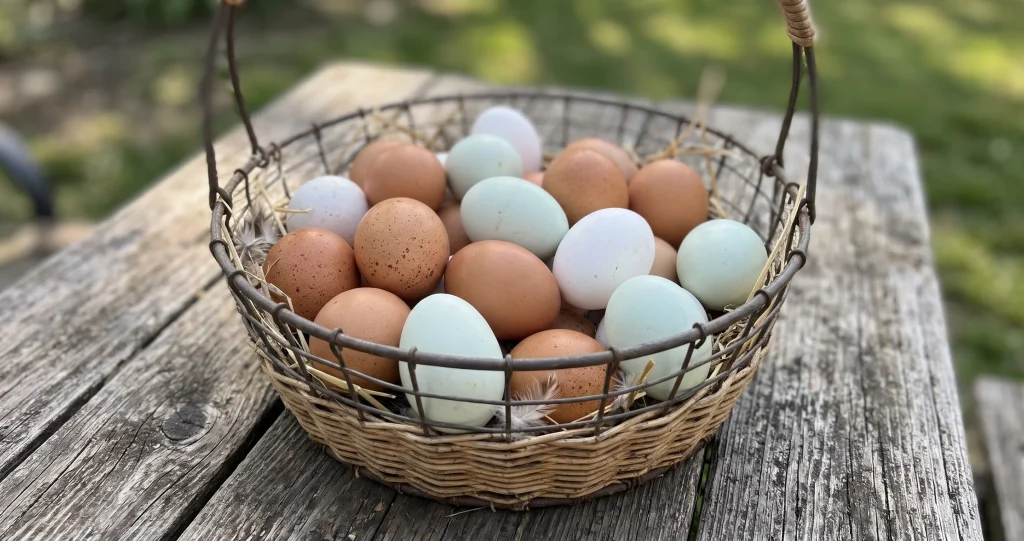
Blue eggs contain biliverdin, a pigment associated with blue shell coloration.
Green eggs generally result from a combination of blue shell coloration and brown pigmentation.
Despite their different appearances, shell color does not automatically determine nutritional quality.
Diet, freshness, and hen health are more relevant to many aspects of egg quality.
What Influences Chicken Personality?
Chickens are social animals.
They recognize familiar individuals and establish relationships within their flocks.
Their behavior is influenced by genetics, early experiences, available space, and interactions with other birds.
Some individuals are naturally more cautious.
Others readily investigate unfamiliar objects or approach people.
Providing enough feeding space, perches, and opportunities for normal behavior can help reduce competition and stress.
Eight Backyard Chicken Breeds for Beginners
These eight breeds are popular among American backyard chicken keepers.
Each offers a different combination of egg production, temperament, appearance, and care requirements.
1. Rhode Island Red — A Dependable Brown-Egg Layer
Egg color: Brown
Temperament: Active, confident, sometimes assertive
Climate suitability: Adaptable with appropriate care
Rhode Island Reds are among the most recognizable American chicken breeds.
Their reddish-brown feathers and practical egg-laying ability have made them popular for generations.
Many hens produce a steady supply of brown eggs under favorable conditions.
They are generally active birds that enjoy exploring their surroundings.
However, some individuals can be dominant within mixed flocks.
Rhode Island Reds may suit beginners who want productive chickens and have adequate space for normal flock behavior.
2. Plymouth Rock — A Friendly Backyard Classic
Egg color: Brown
Temperament: Often calm and approachable
Climate suitability: Generally adaptable
Plymouth Rocks are traditional dual-purpose chickens.
The Barred Plymouth Rock is especially recognizable because of its alternating dark and light feather pattern.
Many keepers appreciate their manageable personalities.
They are also useful egg layers.
Because Plymouth Rocks are relatively substantial birds, they need appropriately sized roosts and sufficient space.
For families interested in friendly backyard chickens, they are often a practical starting point.
3. Buff Orpington — A Gentle Golden Chicken
Egg color: Light brown
Temperament: Often docile and calm
Climate suitability: Generally suited to cooler conditions
Buff Orpingtons are known for their rounded bodies and soft golden plumage.
Their gentle reputation makes them appealing to beginners who enjoy interacting with their flock.
They produce brown eggs and often adapt well to routine backyard care.
However, their dense feathering can make hot weather challenging.
Shade, ventilation, and fresh water are especially important during summer.
Some Orpington hens also become broody, temporarily reducing egg production while attempting to incubate eggs.
4. Australorp — A Productive Bird With Dark Feathers
Egg color: Light brown
Temperament: Often calm and active
Climate suitability: Adaptable
Australorps are admired for their glossy black plumage, which can display a greenish sheen in sunlight.
The breed developed in Australia using imported breeding stock, including Orpington ancestry.
Australorps have a strong reputation for egg production.
Their generally manageable temperament also makes them popular among backyard keepers.
They benefit from opportunities to move, scratch, and forage.
For beginners seeking a balance between eggs and temperament, Australorps are worth considering.
5. Sussex — A Curious and Versatile Breed
Egg color: Cream to light brown
Temperament: Often friendly and inquisitive
Climate suitability: Generally adaptable
Sussex chickens are traditional dual-purpose birds.
They occur in several color varieties, including the distinctive Light Sussex.
Many are curious birds that enjoy exploring their surroundings.
They often spend considerable time scratching and searching for food when suitable outdoor space is available.
Their relatively calm behavior can make them manageable for beginners.
However, individual personalities still vary.
6. Wyandotte — Beautiful Feathers and Practical Qualities
Egg color: Brown
Temperament: Often independent and moderately calm
Climate suitability: Frequently suited to cooler regions
Wyandottes are recognizable by their rounded bodies and attractive feather patterns.
Silver Laced and Golden Laced varieties are especially popular.
Their rose combs are generally less prominent than large single combs, which may reduce some frostbite exposure.
However, proper winter housing remains essential.
Wyandottes can be productive brown-egg layers.
Some individuals are more independent than breeds commonly described as especially affectionate.
7. Easter Egger — Colorful Eggs and Unique Personalities
Egg color: Often blue or green
Temperament: Variable, frequently curious
Climate suitability: Depends on individual characteristics
Easter Eggers are popular because of their colorful eggs.
Unlike standardized chicken breeds, Easter Eggers generally have mixed ancestry.
Their appearance can vary considerably.
Some have facial muffs, beards, or unusual feather patterns.
Many carry genetic traits associated with blue or green eggs.
However, not every Easter Egger lays the same color.
For beginners interested in a colorful egg basket, these birds can add variety to a flock.
8. Leghorn — An Energetic White-Egg Producer
Egg color: White
Temperament: Alert, active, often independent
Climate suitability: Adaptable with suitable management
Leghorns are famous for their egg-laying ability.
They are relatively lightweight chickens and often active foragers.
Many are cautious around people compared with heavier, calmer breeds.
This does not make them unsuitable for beginners, but they may be less appealing to households seeking chickens that tolerate frequent handling.
Leghorns can be excellent choices for keepers who prioritize egg production.
In cold climates, varieties with large single combs may require particular attention to frostbite prevention.
Chicken Breed Comparison Table
| Chicken breed | Egg color | General temperament | Main advantage |
|---|---|---|---|
| Rhode Island Red | Brown | Active, confident | Reliable laying |
| Plymouth Rock | Brown | Calm, approachable | Beginner-friendly behavior |
| Buff Orpington | Light brown | Gentle, docile | Calm temperament |
| Australorp | Light brown | Calm, active | Strong laying reputation |
| Sussex | Cream to light brown | Curious, friendly | Versatility |
| Wyandotte | Brown | Independent | Cold-weather suitability |
| Easter Egger | Often blue or green | Variable | Colorful eggs |
| Leghorn | White | Energetic, alert | High egg production potential |
These descriptions reflect general breed tendencies. Individual birds and breeding lines may differ.
How to Choose the Right Chickens for Your Climate
Climate should influence breed selection.
Chickens for Colder Regions
Wyandottes, Plymouth Rocks, and Orpingtons are often considered suitable for cooler environments.
However, cold tolerance does not eliminate the need for shelter.
A dry, ventilated coop helps reduce moisture accumulation.
Birds also need access to unfrozen drinking water.
Chickens for Warmer Regions
Heat management is especially important in southern and southwestern states.
Light-bodied breeds such as Leghorns may cope relatively well with warmth, but all chickens can experience heat stress.
Provide reliable shade, ventilation, and abundant fresh water.
Avoid overcrowding and ensure birds can escape direct afternoon sunlight.
Chickens for Humid Climates
Humidity can increase the challenges associated with heat.
Good airflow and dry bedding are particularly important.
Coops should be designed to prevent standing water and excessive moisture.
Regardless of breed, observe birds carefully during extreme weather.
Essential Care for Backyard Chickens
Even beginner-friendly chickens require consistent daily care.
Provide Balanced Feed
Chickens need nutrition appropriate to their age and production stage.
Adult laying hens generally benefit from a complete layer feed containing suitable protein, minerals, and calcium.
Fresh drinking water must always be available.
Treats should remain a small part of the diet.
Maintain a Safe Coop
A chicken coop should provide protection from predators and severe weather.
Ventilation helps control moisture and ammonia.
Dry bedding and regular cleaning support healthier conditions.
Roosts and nesting boxes should be suitable for the size and number of birds.
Protect Against Predators
Predator risks vary across the United States.
Raccoons, foxes, coyotes, hawks, and other animals may threaten backyard flocks.
Secure fencing, sturdy hardware cloth, and reliable nighttime closures can reduce these risks.
Chicken wire alone may not provide adequate protection against determined predators.
Monitor Health
Healthy chickens are generally alert and responsive.
Changes in appetite, breathing, movement, or droppings may indicate illness.
New birds should be introduced carefully, with appropriate quarantine and disease-prevention practices.
Follow current local veterinary and agricultural guidance concerning avian influenza and other poultry diseases.
In Your Own Yard: Planning Your First Chicken Flock
A successful backyard flock begins before the chickens arrive.
Check Local Regulations
Municipal rules may restrict flock size, rooster ownership, or coop placement.
Review local ordinances and neighborhood requirements before purchasing birds.
Start With a Small Flock
Chickens are social animals and generally benefit from living with compatible companions.
For many beginners, three to six hens can be a manageable starting point.
However, the appropriate number depends on available space and daily care capacity.
Create a Chicken-Friendly Garden
Chickens naturally scratch and investigate the ground.
This behavior can disturb seedlings and vegetable beds.
Use fencing or designated runs to protect vulnerable plants.
Provide safe opportunities for scratching, dust bathing, and exploration.
Protect Local Wildlife
Secure poultry feed to avoid attracting rodents and wild animals.
Prevent unnecessary contact between domestic poultry and wild birds, particularly around food and water.
A well-managed chicken area can support responsible animal care while reducing risks to surrounding wildlife.
Common Mistakes Beginners Should Avoid
One common mistake is choosing chickens based entirely on appearance.
Beautiful feathers do not guarantee a calm temperament or high egg production.
Another mistake is underestimating predator protection.
Even suburban yards can attract animals capable of entering poorly secured coops.
Overcrowding can also create problems.
Chickens need enough room to move, rest, and access food and water without excessive competition.
Finally, beginners sometimes expect constant egg production.
Laying naturally changes with age, daylight, molting, nutrition, and health.
Understanding these patterns helps establish realistic expectations.
Frequently Asked Questions
1. Which backyard chicken breed is best for beginners?
Plymouth Rocks, Buff Orpingtons, and Australorps are often recommended because of their generally manageable temperaments and useful egg production. However, the best breed depends on local climate, available space, and individual bird characteristics.
2. How many eggs can backyard chickens produce?
Egg production varies by breed, age, nutrition, daylight, and health. Productive hens may lay several eggs per week during favorable periods, while others lay less frequently. Production commonly declines during molting and shorter winter days.
3. Can different chicken breeds live together?
Yes. Many backyard flocks contain multiple breeds. Successful mixed flocks require adequate space, sufficient feeding areas, and careful introductions. Differences in size, temperament, and individual behavior can influence compatibility.
Conclusion
A backyard chicken can offer much more than a fresh egg.
These curious, social birds develop individual habits and interact with their surroundings in fascinating ways.
Choosing among different backyard chicken breeds means balancing egg production, temperament, climate suitability, and care requirements.
Rhode Island Reds and Leghorns appeal to keepers interested in productive layers.
Plymouth Rocks and Buff Orpingtons are often valued for their manageable personalities.
Australorps, Sussex, Wyandottes, and Easter Eggers offer additional combinations of practical qualities and distinctive appearances.
The best flock is not necessarily the one that produces the most eggs.
It is the one whose needs match the space, resources, and attention you can consistently provide.
And once your chickens begin exploring their new home, you may discover that their personalities are just as memorable as the colorful eggs waiting in the nesting boxes.
External Sources
1. University of Minnesota Extension – Raising Chickens for Eggs: Explains how to select beginner-friendly chicken breeds, including Rhode Island Reds, Wyandottes, and Orpingtons, while covering egg production, nutrition, housing, and basic flock care. Source: University of Minnesota Extension
2. University of Kentucky Cooperative Extension – Selecting a Chicken Breed for Small or Backyard Poultry Flocks: Compares chicken breeds according to egg production, physical characteristics, and suitability for small backyard flocks. Source: Poultry Extension – Chicken Breed Selection
3. University of Kentucky Cooperative Extension – What Is the Difference Between Brown and White Eggs? : Explains how chicken genetics influence eggshell color and why brown and white eggs have similar nutritional and culinary characteristics. Source: Poultry Extension – Eggshell Colors