
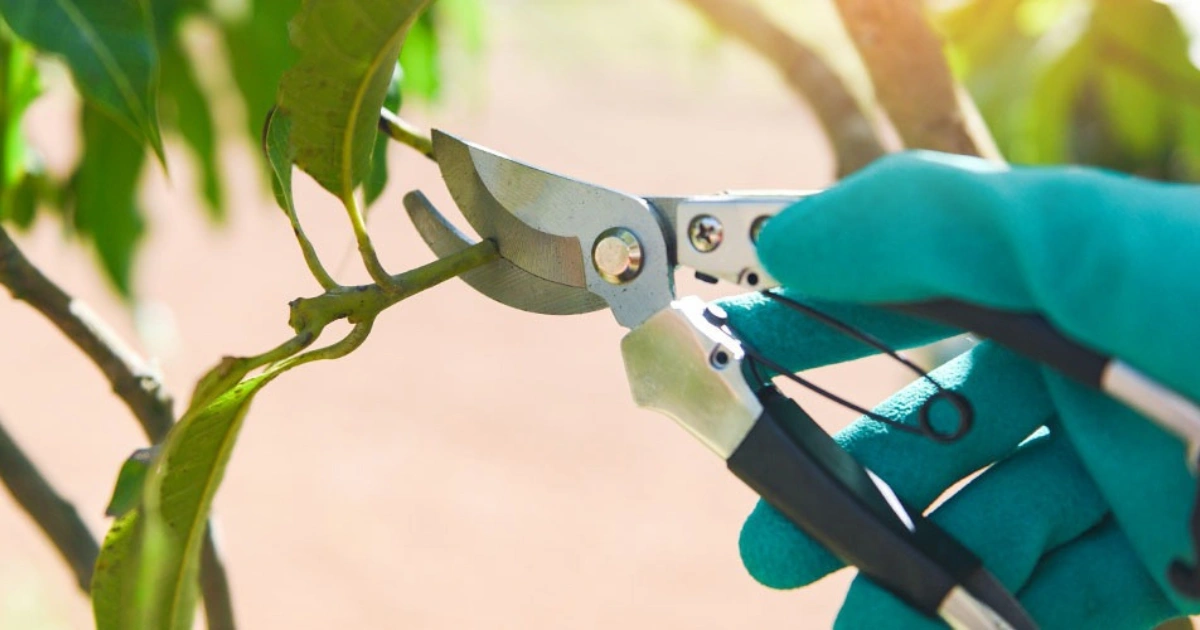
As summer winds down and fruit trees begin to slow their growth, August becomes the perfect moment for strategic pruning. Unlike winter pruning, which often stimulates new growth, summer pruning helps control shape, manage energy, prevent disease, and prepare trees for better harvests next season.
This guide breaks down exactly which fruit trees to prune, what to cut, and the specific benefits of pruning in late summer.
Let’s go tree by tree.
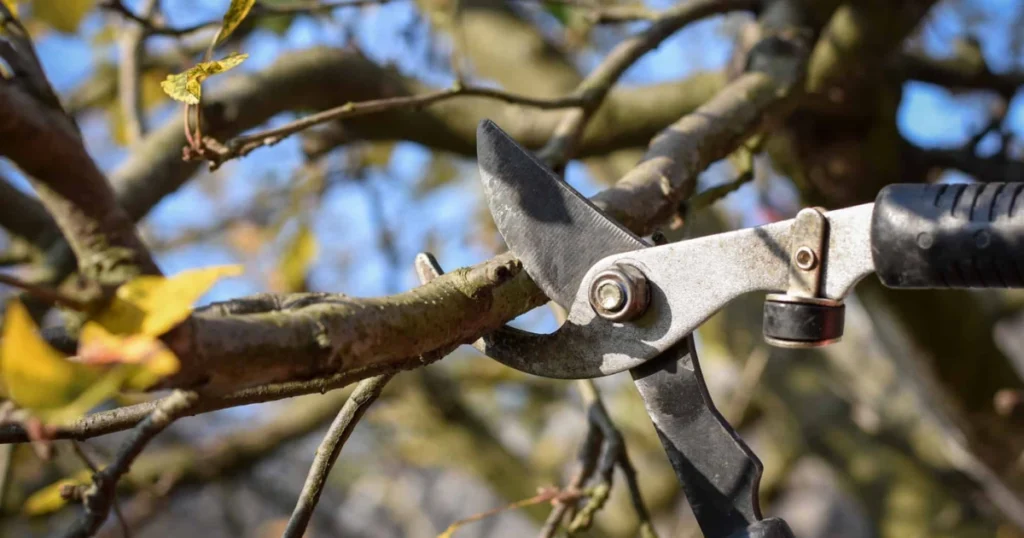
🍏 1. Apple Tree (Malus domestica)
Why prune in August:
To open up the canopy, improve light penetration, and guide the tree’s overall shape.
What to prune:
- Branches that cross or rub together
- Vertical suckers (those fast-growing upright shoots)
- Weak, downward-facing branches
These cuts improve air circulation and help concentrate energy on developing fruiting wood for next year.
🍑 2. Peach Tree
Why prune in summer:
Peach trees are prone to fungal diseases like leaf curl. Pruning in dry weather reduces risk and stimulates fruit-bearing wood for next season.
What to prune:
- Tall, vertical suckers growing from branches or the trunk
- Overly long branches that can snap under the weight of fruit
- Shoots growing inward
This improves sunlight exposure and reduces future pruning needs.
🍐 3. Pear Tree
Why prune in August:
Pear trees benefit from summer pruning to prevent overcrowding and breakage, especially as their branches can become brittle with fruit weight.
What to prune:
- Suckers at the base of the tree
- Dense clusters of branches in the interior
- Dead or weak stems
The goal is to maintain an open shape and support fruit development without overburdening the limbs.
🍒 4. Cherry Tree
Why prune now:
Cherry trees are sensitive to bacterial infections. Late summer pruning helps avoid disease, especially when done in dry weather.
What to prune:
- Crossing or inward-growing branches
- Small vertical water sprouts
- Dead or diseased wood
This keeps the cherry tree compact, airy, and productive.
🍊 5. Orange Tree
Why prune in summer:
To promote even ripening, better airflow, and fewer fungal infections.
What to prune:
- Dry or brittle twigs
- Tangled, crossing branches
- Weak buds and non-productive stems
Avoid heavy pruning—orange trees only need light thinning and cleanup this time of year.
🍇 6. Fig Tree
Why prune in August:
Figs tend to grow vigorously. Summer pruning helps focus the plant’s energy on ripening fruit instead of making more branches.
What to prune:
- Suckers from the base
- Branches growing toward the trunk or into the center
- Excess leafy growth that shades developing fruit
Keep the structure open and light to support good fig quality.
🍋 7. Lemon Tree
Why prune in summer:
To maintain a compact, balanced shape and encourage airflow.
What to prune:
- Lower branches that touch the ground
- Vertical water sprouts or suckers
- Dead or damaged wood
Avoid over-pruning, and aim to keep the canopy open, especially in humid climates prone to fungal issues.
🍈 8. Plum Tree
Why prune in August:
To reduce crowding and promote strong branch structure.
What to prune:
- Dense, leafy clusters that block sun and air
- Branches growing downward or into others
- Broken or disease-damaged stems
Summer pruning helps prevent broken limbs and encourages plums to ripen evenly.
🍊 9. Apricot Tree
Why prune in late summer:
Apricot trees benefit from extra light and good airflow. August pruning improves fruiting wood and supports next year’s crop.
What to prune:
- Suckers growing vertically or from the base
- Old, tired interior branches
- Any stems crossing into the center of the canopy
Try to shape the tree into a rounded, balanced form, which is easier to manage long-term.
🌞 Why Summer Pruning Works
Late summer pruning has several advantages over winter pruning:
- It limits excessive regrowth, since the tree is not in an active growth phase
- It allows you to see the real shape of the tree, with leaves and fruit present
- It improves air circulation, helping reduce fungal disease
- It supports fruit ripening, especially for trees that produce into fall
- It prepares the tree for next year by encouraging healthy buds and strong limbs
Done right, summer pruning sets the stage for better structure, healthier branches, and more fruit next season.
🧰 Tools You’ll Need
• Sharp pruning shears (for small branches)
• Loppers (for thicker cuts)
• Disinfectant (to sterilize tools between trees)
• Gloves and protective clothing
• A pruning saw (if dealing with old or large branches)
Always clean your tools before and after pruning to prevent spreading diseases between trees.
✅ Pro Tips for Smart Summer Pruning
• Prune in dry weather to reduce infection risk
• Don’t remove more than 20–25% of the canopy in one season
• Cut at an angle just above a healthy outward-facing bud
• Remove dead, diseased, or damaged wood first
• Don’t prune during extreme heat or drought
• Water trees well after pruning if weather is dry
Summer pruning is not about hard reshaping. It’s about fine-tuning and guiding your trees toward a productive and balanced future.
❌ Common Mistakes to Avoid
• Pruning too late (after September), which can stress the tree before winter
• Cutting too much at once—this shocks the tree and reduces vigor
• Ignoring tool hygiene, leading to disease transmission
• Cutting during hot midday hours, which increases stress and sap loss
• Pruning trees still producing fruit, which can reduce your current yield
🍎 Final Thoughts
Pruning your fruit trees in August is a smart way to help them breathe, grow stronger, and produce better-quality fruit year after year.
It takes just a little time and effort to shape your trees in ways that support sunlight, air, and structure. With regular summer pruning, you’ll see stronger limbs, easier harvesting, and fewer pest and disease problems.
Now’s the time—grab your tools, check your trees, and start shaping next season’s success today.