
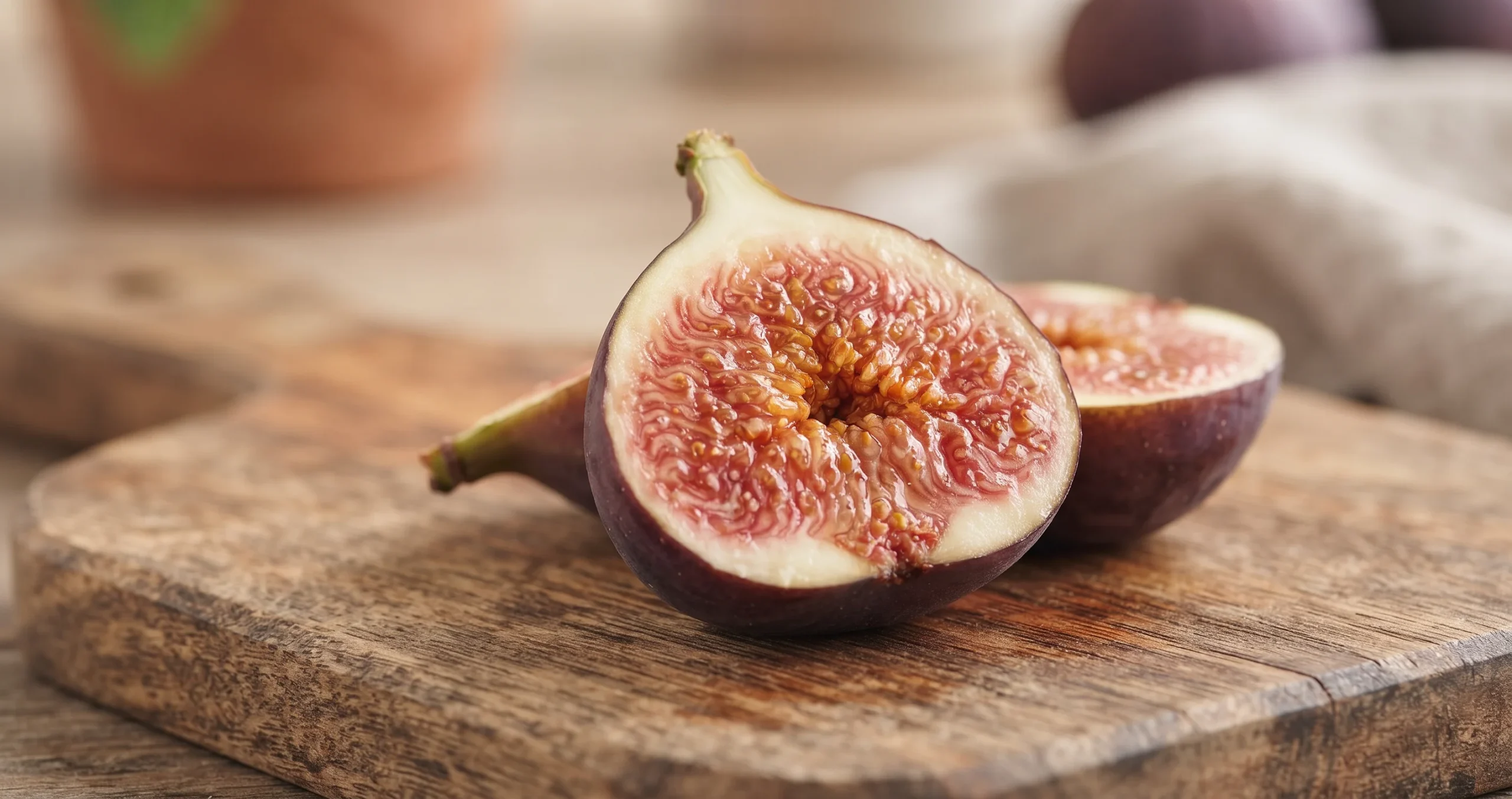
Cut open a ripe fig, and you’ll discover something surprisingly different from an apple, peach, or pear. The soft, colorful flesh and hundreds of tiny crunchy structures reveal a remarkable example of botanical adaptation. What lies inside a fig is actually an unusual arrangement of flowers and miniature fruits.
Unlike most familiar garden fruits, figs develop their flowers within an enclosed structure. Some depend on specialized wasps for pollination, while many popular garden varieties produce delicious fruit without pollination at all.
Understanding this fascinating anatomy can also help gardeners choose suitable fig varieties, improve growing conditions, and protect their trees during winter.
Table of Contents
- What Is a Fig, Botanically Speaking?
- What Is Inside a Fig?
- How Fig Flowers Grow in Secret
- The Fascinating Relationship Between Figs and Fig Wasps
- Why Common Figs Ripen Without Pollination
- What Are the Crunchy Seeds Inside Figs?
- How Figs Develop and Ripen
- How to Grow a Healthy Fig Tree
- Growing Figs in Containers
- How to Protect Potted Figs During Winter
- Frequently Asked Questions
What Is a Fig, Botanically Speaking?
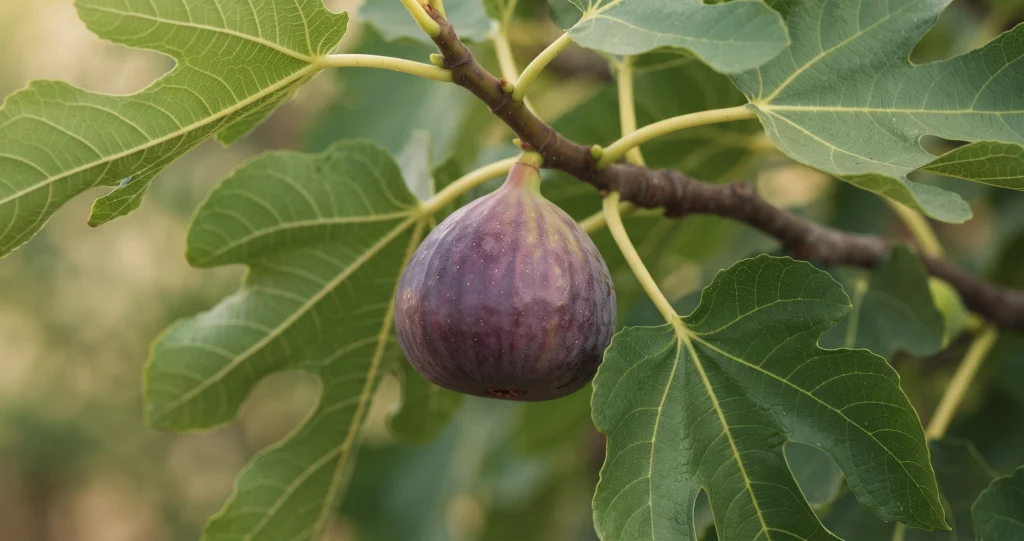
Although we commonly describe figs as fruits, their botanical structure is considerably more complicated. A fig develops from a specialized structure known as a syconium.
A syconium is a hollow, fleshy receptacle containing numerous tiny flowers arranged along its inner surface. Rather than displaying flowers openly like an apple or cherry tree, a fig tree produces its flowers inside this enclosed structure.
As the fig develops, its outer receptacle becomes fleshy and sweet. The individual flowers may develop into tiny fruits, creating the distinctive texture we associate with ripe figs.
The edible fig tree, scientifically known as Ficus carica, belongs to the mulberry family, Moraceae. It is cultivated throughout many temperate and subtropical regions for its flavorful fruit.
This unusual reproductive structure helps explain why fig trees appear to produce fruit without ever flowering.
What Is Inside a Fig?
When you slice a ripe fig lengthwise, several distinct structures become visible. Each contributes to the fig’s development, reproduction, appearance, or texture.
The Outer Skin
The skin protects the developing fig from physical damage and excessive moisture loss.
Depending on the variety, mature figs may have green, yellow, purple, reddish-brown, or nearly black skin. Color alone is not a reliable indication of ripeness because different varieties naturally develop different colors.
The Fleshy Receptacle
Beneath the skin lies the thickened receptacle that forms much of the edible portion.
As the fig matures, this tissue becomes softer and accumulates sugars, producing its characteristic sweetness.
The Internal Flowers
The inner surface contains numerous tiny flowers. These flowers are responsible for the complex internal arrangement that distinguishes figs from more conventional fruits.
The structures inside a fig may appear pink, amber, red, or deep purple, depending on the variety and stage of development.
The Achenes
The small, crunchy structures scattered throughout the flesh are generally called achenes. These tiny fruit structures develop from individual flowers and may contain viable seeds when successful fertilization occurs.
The Ostiole
At the end opposite the stem is a small opening called the ostiole, sometimes referred to as the fig’s eye.
In fig species that require specialized pollination, this opening provides access for tiny fig wasps.
How Fig Flowers Grow in Secret
Most flowering plants expose their reproductive structures to sunlight, wind, and visiting pollinators. Fig trees follow a very different strategy.
Their flowers develop along the inner walls of the syconium, remaining largely concealed throughout their development.
This arrangement creates a specialized reproductive environment. In many fig species, successful pollination depends on insects small enough to enter through the ostiole.
The flowers inside a fig vary according to the species and reproductive type. In edible common figs, the internal flowers are female.
Other fig structures, such as those produced by caprifig trees, contain flowers involved in supporting fig wasp reproduction and pollen production.
This hidden flowering system is one of the most unusual features of the genus Ficus.
The Fascinating Relationship Between Figs and Fig Wasps
Many fig species have evolved close reproductive relationships with specialized fig wasps. These insects belong primarily to the family Agaonidae.
The partnership represents a remarkable example of mutualism, in which both organisms receive reproductive benefits.
How Fig Wasps Pollinate Figs
A female pollinating fig wasp carrying pollen enters a receptive fig through its narrow ostiole.
Once inside, she transfers pollen to the internal flowers. In suitable host figs, she may also deposit eggs into flowers adapted to support developing wasp larvae.
The next generation develops within these specialized flowers. Emerging females can collect pollen before leaving to locate another receptive fig.
The fig benefits from pollination, while the wasp gains a protected environment for reproduction.
Is There a Dead Wasp Inside Every Fig?
No. This popular claim oversimplifies fig biology.
Many edible fig varieties develop without pollination and do not require a wasp to enter the fruit. Even among figs that depend on pollination, the relationship between the wasp and the fig varies according to the reproductive type.
When a wasp dies inside a fig, its body may gradually break down through natural biological processes. However, it is inaccurate to claim that every edible fig contains a dead wasp or that every trace of an insect is necessarily dissolved.
The crunchy texture inside a fig comes primarily from its tiny fruit structures, not from wasp remains.
Why Common Figs Ripen Without Pollination
One of the most interesting discoveries about what grows inside a fig is that fertilization is not always necessary for fruit development.
Many cultivated fig varieties have an ability known as parthenocarpy. This allows edible figs to develop without pollination or seed fertilization.
For home gardeners, this characteristic is particularly useful because it makes fig production possible in regions where specialized fig wasps are absent.
The Four Main Fig Types
| Fig type | Pollination requirement |
|---|---|
| Common type | Does not require pollination |
| Smyrna type | Requires pollination |
| San Pedro type | Early crop develops without pollination; main crop generally requires it |
| Caprifig | Supports fig wasp reproduction and supplies pollen |
Popular common-type varieties include Brown Turkey, Celeste, and Chicago Hardy.
These varieties are practical choices for gardeners in colder regions of the United States who want to grow figs without depending on specialized pollinators.
What Are the Crunchy Seeds Inside Figs?
Anyone who has eaten a fresh or dried fig probably remembers its slightly crunchy texture.
The tiny structures responsible for this sensation are commonly called achenes, although some botanical descriptions classify fig fruitlets as drupelets.
Each develops from an individual flower rather than forming as one large seed chamber.
In successfully pollinated figs, these miniature fruits can contain viable seeds. In unpollinated common-type figs, similar structures develop even though viable seeds are absent.
The number, size, and firmness of the structures inside a fig vary among cultivars. This helps explain why some figs have a pronounced crunch while others feel relatively smooth and soft.
These structures are a normal and entirely edible part of the fig.
How Figs Develop and Ripen
Fig development begins with small green structures appearing where leaves meet the branches.
At first, the developing figs are firm and relatively small. As they mature, their internal tissues expand and gradually become sweeter and softer.
Changes inside a fig during ripening include sugar accumulation, tissue softening, and the development of characteristic flavors and colors.
Recognizing a Ripe Fig
Common signs of ripeness include:
- A noticeably softer texture.
- Slight drooping of the fruit.
- Increased sweetness and fragrance.
- Skin color appropriate to the variety.
- Fruit that separates easily from the branch when gently lifted.
Unlike some fruits, figs generally do not improve significantly in sweetness after being picked prematurely. Allow them to ripen on the tree whenever possible.
Harvest gently because ripe figs bruise easily and have a relatively short storage life.
How to Grow a Healthy Fig Tree
Fig trees can be rewarding additions to home gardens, especially when their growing conditions match their natural preferences.
Understanding how the structures inside a fig develop begins with providing the tree with adequate sunlight, moisture, and suitable soil.
Choose a Sunny Location
Fig trees generally perform best with at least six to eight hours of direct sunlight each day.
In cooler climates, planting near a sunny, sheltered wall can provide additional warmth and protection from strong winds.
Provide Well-Drained Soil
Figs adapt to several soil types but struggle when their roots remain waterlogged.
Plant them in well-drained soil and improve poor growing conditions with appropriate organic matter.
Water Consistently
Young trees need regular watering while their roots become established.
Established figs tolerate some dryness, but prolonged drought during fruit development may reduce fruit quality or cause premature fruit drop.
Avoid Excessive Fertilizer
Too much nitrogen can encourage vigorous foliage growth at the expense of fruit production.
Apply fertilizer according to the tree’s condition, soil quality, and growing environment rather than following an unnecessarily aggressive feeding schedule.
Understand the Two Possible Crops
Some fig varieties produce an early crop called the breba crop on branches that grew during the previous year.
The main crop develops on the current season’s growth. Heavy pruning or winter damage can therefore affect the early crop and overall harvest timing.
Growing Figs in Containers
Container gardening is an excellent option for people who have limited outdoor space or live in climates with freezing winters.
Potted fig trees can grow successfully on patios, balconies, and sunny terraces.
Choose a large container with reliable drainage holes and a quality potting mixture. A container holding roughly 15 gallons can provide a useful starting size for an established tree, although larger specimens may eventually need additional space.
Monitor moisture regularly during summer because containers dry out more quickly than garden soil.
Root pruning or repotting may occasionally be necessary when roots become crowded.
How to Protect Potted Figs During Winter
Although some fig varieties tolerate freezing temperatures, container-grown trees are especially vulnerable because their roots have less insulation than those planted directly in the ground.
Protecting these roots and preserving healthy branches can improve the chances of successful fruit production the following season.
Step 1: Allow the Tree to Enter Dormancy
As temperatures decline in autumn, deciduous fig trees naturally lose their leaves.
Allow this seasonal transition to occur while monitoring the weather. Move the container into protection before its root ball experiences severe freezing.
Step 2: Move the Container to a Sheltered Location
An unheated garage, frost-protected shed, or cool basement may provide suitable winter conditions.
A dormant fig does not require strong sunlight while it has no leaves. A cool location helps discourage premature growth.
Step 3: Reduce Watering
Dormant trees require considerably less water than actively growing plants.
Check the potting mixture periodically and provide a small amount of water when needed to prevent the root ball from drying out completely.
Avoid keeping the soil constantly wet.
Step 4: Protect Against Temperature Fluctuations
Avoid placing dormant fig trees beside heaters or in excessively warm rooms.
For containers that must remain outdoors in relatively mild climates, insulating the pot and placing it in a sheltered location may reduce cold exposure. However, insulation alone may not provide adequate protection during prolonged severe freezes.
Step 5: Reintroduce the Tree to Outdoor Conditions
When severe winter weather has passed, gradually return the tree to outdoor light and growing conditions.
Protect emerging leaves and tender shoots from late frosts.
Healthy overwintered branches give the tree a stronger starting point for the next growing season.
For additional garden protection advice, explore our guide to winter desiccation in evergreens, which explains another way cold-season conditions can affect garden plants.
Frequently Asked Questions
Is a fig actually a flower or a fruit?
A developing fig is an enclosed cluster of flowers called a syconium. As it matures, the receptacle and individual flower-derived structures form what we recognize as an edible fig.
What are the little crunchy things inside a fig?
They are tiny flower-derived fruit structures commonly called achenes. Successfully pollinated figs can contain viable seeds within these structures.
Does every fig contain a dead wasp?
No. Many cultivated fig varieties develop without pollination and do not require fig wasps.
Why don’t fig trees have visible flowers?
Their flowers develop within the enclosed syconium rather than opening externally like the flowers of many other fruit trees.
Can I grow a fig tree without another fig tree nearby?
Yes. Common-type fig varieties can produce fruit without another tree or specialized pollinators.
Can I eat the skin of a fig?
Yes. The skin of a ripe edible fig is generally edible, although its thickness and texture vary by variety. Wash fresh figs before eating them.
Can I grow a fig tree from a seed?
Viable fig seeds can germinate, but seedlings may differ considerably from the parent plant. Propagation from cuttings is generally preferred when gardeners want to preserve the characteristics of a particular cultivar.
Can potted figs survive winter outdoors?
This depends on the cultivar, local climate, container size, and severity of freezing temperatures. In cold climates, moving dormant potted figs to a protected location is generally the more reliable option.
Why are my figs falling before they ripen?
Possible causes include moisture stress, temperature fluctuations, insufficient growing-season warmth, and growing a variety that requires unavailable pollination.
Conclusion
What lies inside a fig reveals an extraordinary combination of hidden flowers, fleshy tissues, and miniature fruits.
The syconium makes figs botanically distinctive, while their relationship with specialized wasps demonstrates the remarkable diversity of plant reproduction.
For home gardeners, common-type figs offer the advantage of producing fruit without specialized pollinators. With suitable sunlight, well-drained soil, consistent watering, and appropriate winter protection, these trees can thrive in gardens and containers.
The next time you slice open a ripe fig, take a closer look at its colorful interior. Every tiny structure tells part of an unusual botanical story that has developed over millions of years.
External Sources
1. The Fig: Overview of an Ancient Fruit
Scientific information about fig anatomy, pollination requirements, fig varieties, and fruit development. University of California, Davis. Read the scientific publication
2. Growing Figs in Maryland
Practical guidance on fig cultivation, container gardening, variety selection, and winter protection. University of Maryland Extension. Read the fig-growing guide
3. Fruit Development in Ficus carica
Peer-reviewed research examining fig flower anatomy, reproductive structures, and fruit development. Frontiers in Plant Science. Read the complete scientific study