
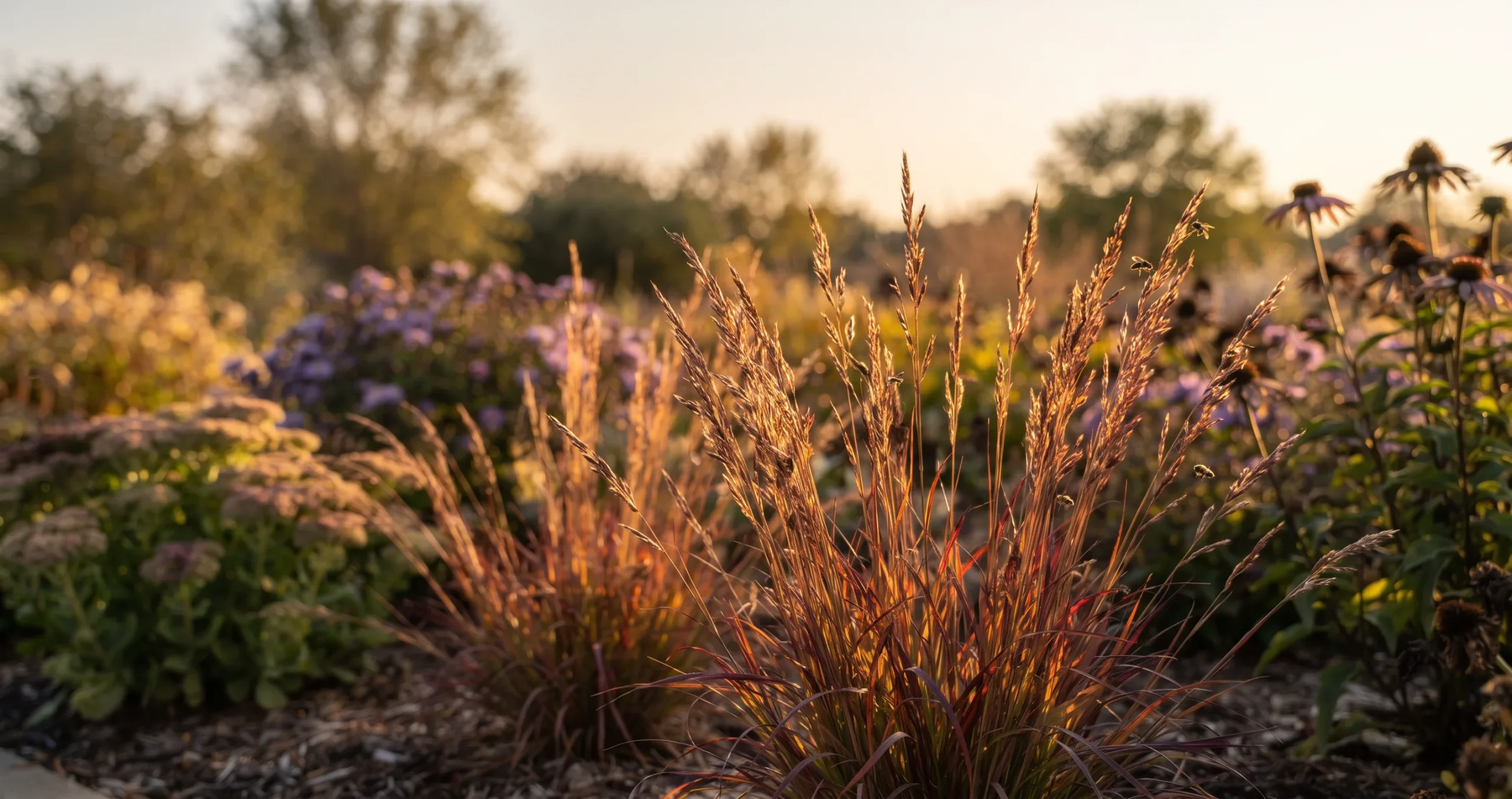
When winter settles over a garden, most flowering plants have disappeared into the soil. But one native grass seems to become more beautiful as the temperatures fall. Its slender stems turn copper, bronze, and reddish brown, while delicate, silvery seed heads catch the low afternoon sunlight.
That grass is little bluestem, a North American native that brings color, texture, and wildlife value to landscapes long after summer flowers have faded.
Unlike ornamental plants grown primarily for their appearance, little bluestem contributes to the surrounding ecosystem. Its seeds can provide food for certain birds, its dense clumps offer cover for small wildlife, and its deep root system helps it persist in challenging conditions.
For gardeners interested in naturalistic landscapes, native plants, and year-round beauty, this prairie grass offers a remarkable combination of ecological function and seasonal interest.
Table of Contents
- Meet Little Bluestem, the Native Grass That Glows in Winter
- What Is Little Bluestem?
- Why Little Bluestem Turns Bronze in Winter
- How Little Bluestem Supports Birds and Wildlife
- Little Bluestem Seeds: A Natural Food Source for Birds
- Why This Native Grass Matters to Prairie Ecosystems
- Where Little Bluestem Grows Naturally
- How to Grow Little Bluestem in Your Garden
- Sunlight, Soil, and Water Requirements
- Little Bluestem vs. Big Bluestem
- Common Mistakes When Growing Little Bluestem
- In Your Own Yard: Creating a Winter Wildlife Garden
- Frequently Asked Questions
Meet Little Bluestem, the Native Grass That Glows in Winter
Imagine a winter garden where most perennials have collapsed and the flower beds appear empty.
A clump of little bluestem still stands upright, its warm bronze stems contrasting with pale frost and dormant vegetation.
In the morning, sunlight catches the fine hairs surrounding its seeds, giving the plant a soft, shimmering appearance.
This visual transformation is one reason little bluestem has become increasingly popular in native landscaping.
It offers something many gardens lack: structure and interest during the coldest months.
Rather than relying on evergreen leaves, the grass contributes beauty through its dried stems, seed heads, and natural winter silhouette.
What Is Little Bluestem?
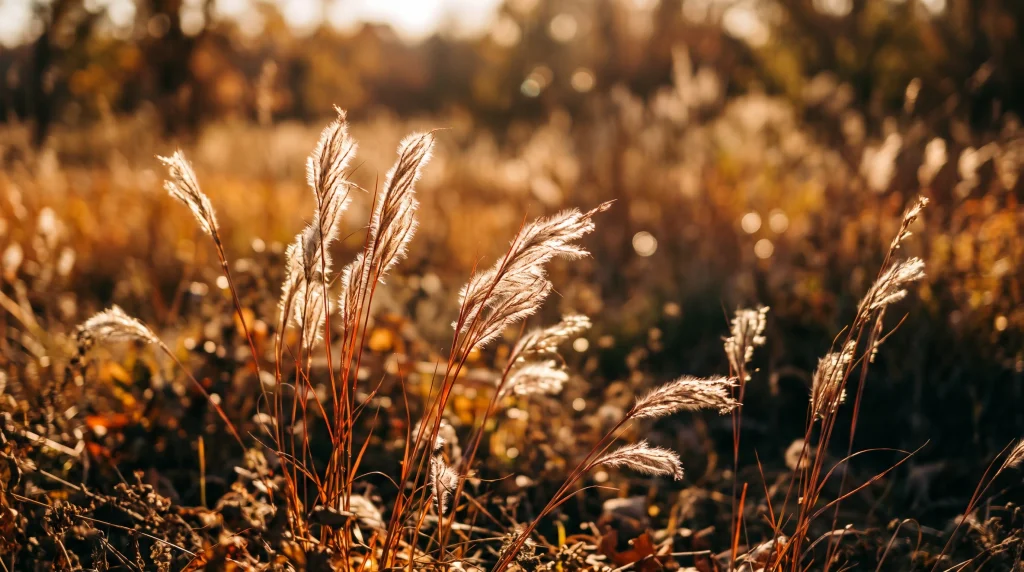
Little bluestem is a warm-season perennial grass scientifically known as Schizachyrium scoparium.
It belongs to the grass family, Poaceae, and is native to a broad range of North American habitats.
Despite its name, it is not closely related to the lawn grasses commonly used in residential yards.
A grass with changing colors
During the growing season, little bluestem often develops narrow, blue-green or gray-green foliage.
As autumn approaches, the leaves and stems may turn copper, orange, reddish brown, or bronze.
The exact coloration depends on genetics, growing conditions, and seasonal weather.
In suitable conditions, mature clumps commonly reach approximately 2–4 feet tall, including their flowering stems.
Its upright growth makes it useful in prairie gardens, sunny borders, and naturalistic plantings.
Why Little Bluestem Turns Bronze in Winter
The seasonal color change of little bluestem is a fascinating example of how perennial grasses respond to shorter days and cooler temperatures.
Unlike evergreen plants that maintain active foliage through winter, little bluestem enters dormancy.
The science behind autumn color
During the growing season, chlorophyll gives plant tissues much of their green appearance.
As growth slows in autumn, chlorophyll production declines and existing chlorophyll breaks down.
Other pigments and naturally occurring compounds become more visible or accumulate as the plant ages.
These changes contribute to the copper, bronze, and reddish tones seen in dormant little bluestem.
The precise color varies among plants and cultivars.
Why the stems remain attractive
Little bluestem develops relatively sturdy flowering stems that can remain standing after the foliage has dried.
Its upright form often persists through portions of winter, although heavy snow, strong wind, or ice can flatten some clumps.
The pale, hairy seed structures also catch sunlight, creating a striking contrast against the darker stems.
This combination of seasonal pigmentation and persistent plant structure gives little bluestem its distinctive winter appearance.
How Little Bluestem Supports Birds and Wildlife
Little bluestem provides more than ornamental beauty.
As a native prairie grass, it contributes to habitat complexity in landscapes where natural grassland vegetation has been reduced.
Shelter among the stems
Dense clumps can provide cover for insects and small animals.
Some ground-associated birds may use native grass stands for concealment or nesting habitat, depending on the surrounding vegetation and local conditions.
A single garden plant cannot replace an extensive prairie, but groups of native grasses can contribute useful habitat structure.
Supporting insect life
Little bluestem serves as a host plant for certain grass-feeding insects, including caterpillars of some skipper butterflies.
These insects form part of food webs that support birds and other wildlife.
The ecological benefits are strongest when native grasses grow alongside a diversity of locally appropriate flowering plants.
Little Bluestem Seeds: A Natural Food Source for Birds
One of the most appealing features of little bluestem is its ability to produce seeds that remain associated with the plant into the colder months.
Its seed heads develop during late summer and fall, depending on climate and growing conditions.
Which birds eat little bluestem seeds?
Some seed-eating birds, including certain sparrows, may consume little bluestem seeds.
However, feeding preferences vary by species, region, and the availability of other foods.
The grass should not be described as a universal food source for every backyard bird.
Why leaving seed heads matters
Cutting ornamental grasses immediately after flowering removes potential food and cover.
Leaving little bluestem standing through winter allows birds and other wildlife to use the remaining plant material.
Its persistent stems also add visual interest to the landscape.
For many gardeners, delaying cleanup until late winter or early spring offers both ecological and aesthetic advantages.
Why This Native Grass Matters to Prairie Ecosystems
Little bluestem is an important component of many North American grassland communities.
It grows in prairies, savannas, open woodlands, and other sunny habitats.
A resilient root system
Like many native perennial grasses, little bluestem invests substantial resources belowground.
Its roots help the plant access soil moisture and nutrients while supporting regrowth after seasonal dormancy.
Established plants can tolerate periods of drought, although performance depends on soil conditions and climate.
Supporting soil structure
Grass roots contribute organic material to the soil as they grow and naturally turn over.
They also help hold soil particles together.
In larger native plant communities, these processes contribute to soil stability and nutrient cycling.
Little bluestem is therefore valuable not only for its visible stems but also for its belowground ecological role.
Where Little Bluestem Grows Naturally
Little bluestem occurs across a wide portion of North America.
Its natural distribution includes much of the continental United States and parts of Canada and Mexico.
It is especially associated with open habitats receiving substantial sunlight.
Adapting to different environments
The grass can grow in a range of soil types, including sandy, rocky, and relatively nutrient-poor soils.
However, it generally performs best where drainage is good and competition from taller, aggressive vegetation is limited.
Local populations may differ in growth form, seasonal color, and adaptation to climate.
Choosing plants or seeds appropriate to your region can improve their suitability for a native landscape.
How to Grow Little Bluestem in Your Garden
Growing little bluestem is often straightforward when the planting site matches its natural preferences.
The most important consideration is sunlight.
Choose an open location
Little bluestem generally grows best in full sun.
Shaded conditions can produce weaker growth and less upright stems.
Select a location where the plant has enough room to form a mature clump.
Planting and establishment
Container-grown plants can be installed during suitable spring or fall conditions.
Water regularly during establishment, adjusting to rainfall and soil moisture.
Once established, little bluestem often needs relatively little supplemental irrigation in suitable climates.
Avoid planting it in areas where water remains standing for long periods.
Sunlight, Soil, and Water Requirements
Little bluestem is well suited to sunny landscapes with reasonably well-drained soil.
Soil preferences
The grass often performs well in lean to moderately fertile soils.
Excessively rich soil or heavy fertilization can encourage overly lush growth that may become floppy.
A soil test can help determine whether amendments are necessary.
Water needs
Established plants are generally drought tolerant.
However, young plants need adequate moisture while their roots develop.
Regional climate, soil texture, and rainfall patterns all influence watering requirements.
Winter maintenance
The dried stems can remain in place throughout winter.
In early spring, gardeners may cut back old growth before new shoots emerge.
Avoid cutting into developing green growth.
Little Bluestem vs. Big Bluestem
Little bluestem is sometimes confused with big bluestem, another native North American prairie grass.
Despite their similar common names, they are different species.
Big bluestem, Andropogon gerardii, generally grows taller and is often associated with tallgrass prairie communities.
Little bluestem is typically shorter and forms more compact, upright clumps.
Both species can contribute to native habitat restoration and naturalistic landscaping.
The better choice depends on available space, site conditions, and the intended planting design.
Common Mistakes When Growing Little Bluestem
Although little bluestem is relatively adaptable, several common practices can reduce its performance.
Planting in too much shade
Insufficient sunlight may lead to weak, leaning stems and reduced vigor.
Overfertilizing
High fertility can encourage excessive growth and reduce the naturally upright appearance of the plant.
Keeping the soil constantly wet
Poor drainage can stress the root system, particularly during establishment or dormancy.
Removing winter growth too early
Cutting stems and seed heads immediately in fall removes much of the plant’s winter visual interest and potential wildlife value.
Allowing the grass to remain standing until spring is often a useful alternative.
In Your Own Yard: Creating a Winter Wildlife Garden
Little bluestem can become the foundation of a small wildlife-friendly planting.
Choose a sunny location and combine several clumps with regionally appropriate native wildflowers.
Build a layered planting
Pair little bluestem with native flowering plants that provide nectar, pollen, or seeds during different seasons.
Suitable companions depend on local climate and soil conditions.
A varied planting offers more habitat opportunities than a single ornamental grass species.
Leave some natural structure
Allow dried stems and seed heads to remain through winter.
Keep some leaf litter and undisturbed vegetation where practical.
These materials may provide shelter for insects and other small organisms.
Avoid unnecessary chemicals
Use pesticides only when genuinely needed and follow label instructions.
Supporting a diverse plant community can encourage beneficial insects and other wildlife.
Observe seasonal changes
Little bluestem offers an opportunity to watch a plant transform through the year.
Blue-green summer foliage becomes coppery autumn growth, followed by pale seed heads and bronze winter stems.
This seasonal progression is part of what makes native grass gardening so rewarding.
Frequently Asked Questions
Does little bluestem stay colorful all winter?
Little bluestem often retains copper, bronze, or reddish-brown stems through much of winter. However, weather, snow, wind, and local conditions influence how long the color and upright structure remain visible.
Do birds eat little bluestem seeds?
Yes. Some seed-eating birds, including certain sparrows, may consume its seeds. The importance of little bluestem as a food source varies by location and the availability of other native plants.
Should little bluestem be cut back in fall or spring?
For wildlife-friendly gardens, leaving the stems standing through winter is often beneficial. Old growth can usually be cut back in late winter or early spring before new shoots emerge.
Conclusion
Return to that quiet winter garden, where frost settles on the ground and most flowering plants have faded.
A clump of little bluestem still catches the light, its bronze stems glowing against the pale landscape.
Its beauty is more than seasonal decoration.
The grass provides structure, potential seed food for birds, habitat for insects, and an enduring connection to North America’s native prairie ecosystems.
Sometimes the most remarkable winter garden plants are those that simply remain standing when everything else has gone dormant.
External Sources
1. NC State Extension — Schizachyrium scoparium
Botanical identification, growing conditions, seasonal appearance, and landscape use.
2. Lady Bird Johnson Wildflower Center — Little Bluestem
Native distribution, habitat preferences, drought tolerance, and gardening information.