
Table of Contents
- What Is Happening in the Evening Sky?
- Meet the Common Nighthawk
- Why Nighthawks Become So Visible in Late August
- H2: Nighthawk Migration Late August – What Drives the Movement?
- Why Nighthawks Gather in Loose Flocks
- Feeding at Dusk Before a Long Journey
- Migration Timing Across U.S. Regions
- How to Identify a Common Nighthawk
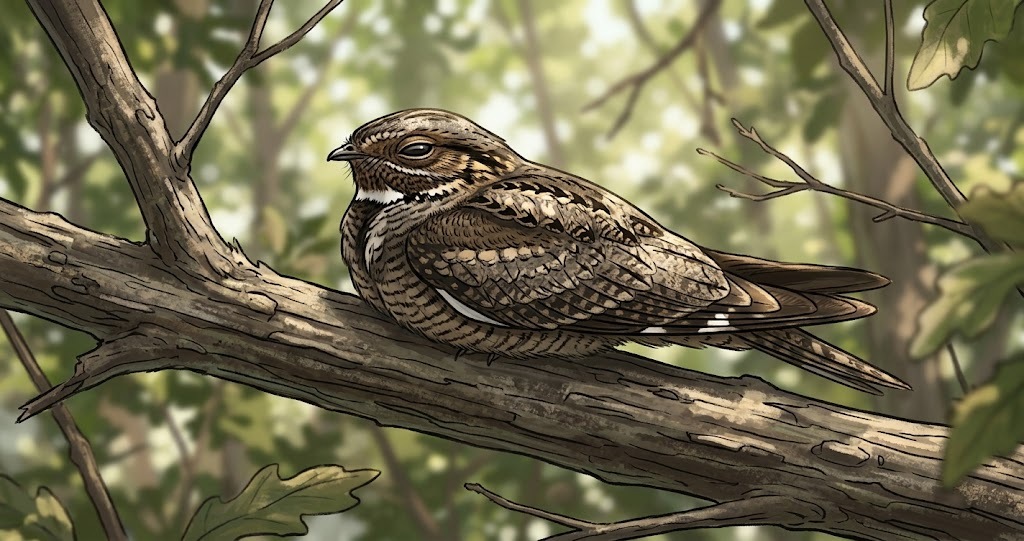
- Camouflage That Makes Them Nearly Invisible
- Where and When to Watch Nighthawks
- Practical Tips
- Common Mistakes
- Frequently Asked Questions
- Conclusion
Nighthawk Migration: Why Dusk Skies Fill With Birds in Late August
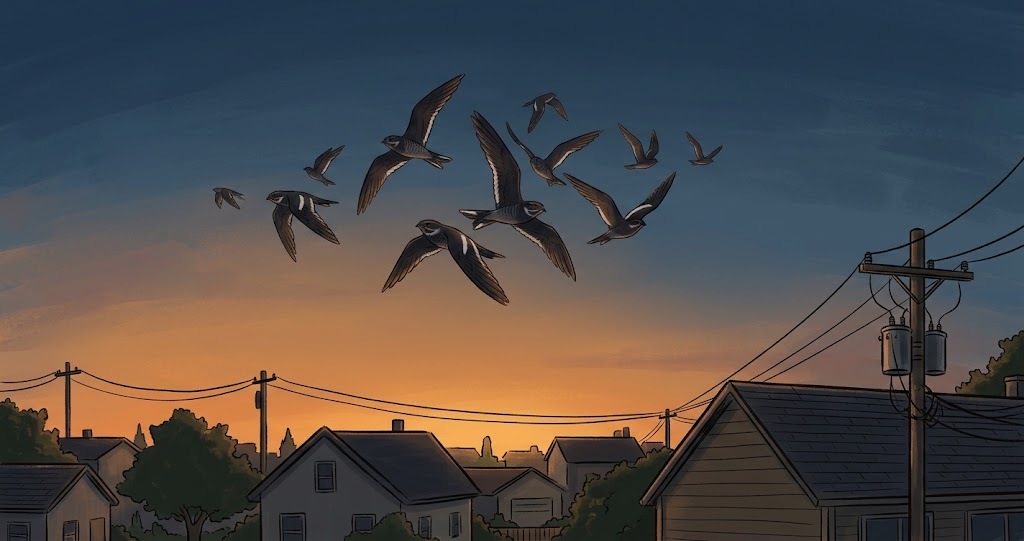
If you’ve ever looked up during a warm August evening and noticed dozens of long-winged birds twisting silently through the sky, you may have witnessed nighthawk migration late august in action. Across much of the United States, late August marks the beginning of one of the most overlooked bird migrations of the year. While hummingbirds and geese often receive the spotlight, Common Nighthawks quietly begin moving south in loose groups, feeding heavily on flying insects before continuing their remarkable journey to South America.
Unlike swallows or hawks, Common Nighthawks belong to a unique family of nocturnal and crepuscular birds called nightjars. Their cryptic plumage hides them almost perfectly during the day, but at dusk they become highly visible as they sweep through the air with graceful, buoyant flight.
Understanding why these birds suddenly appear—and knowing where and when to look—can transform an ordinary late-summer evening into one of the season’s most memorable wildlife experiences.
What Is Happening in the Evening Sky?
Many people first notice nighthawks when several birds seem to appear at once over neighborhoods, parks, rivers, or open fields.
Rather than representing a local population explosion, these gatherings usually reflect migrating birds passing through the area.
Late summer provides two important advantages:
- Flying insects remain abundant.
- Weather conditions often favor long-distance migration.
Nighthawks take advantage of both before continuing south.
Meet the Common Nighthawk
Despite its name, the Common Nighthawk (Chordeiles minor) is not a hawk.
It belongs to the nightjar family, a group of birds adapted for catching insects in flight.
Key characteristics include:
- Long, pointed wings
- Slender body
- Tiny bill with an enormous mouth
- White wing bars visible in flight
- Erratic, buoyant flight pattern
Because they feed almost entirely on aerial insects, their flight often resembles that of swallows or bats.
The Cornell Lab of Ornithology’s All About Birds guide provides excellent photographs, sounds, and range maps:
https://www.allaboutbirds.org/guide/Common_Nighthawk
Why Nighthawks Become So Visible in Late August
For much of the breeding season, Common Nighthawks are surprisingly inconspicuous.
They spend daylight hours resting motionless on:
- Gravel rooftops
- Bare ground
- Fallen logs
- Large tree branches
Their mottled gray, brown, black, and white feathers blend almost perfectly with these surfaces.
Late August changes everything.
As migration begins, birds become more active and gather in loose feeding flocks before continuing south.
At the same time, people often spend warm evenings outdoors, making encounters more likely.
H2: Nighthawk Migration Late August – What Drives the Movement?
Migration is triggered by a combination of biological and environmental cues.
Although exact timing varies among individuals and regions, several factors consistently influence departure.
Shortening Day Length
As summer gradually gives way to autumn, decreasing daylight helps trigger physiological changes associated with migration.
Many migratory birds rely on changing day length rather than weather alone.
Seasonal Insect Availability
Common Nighthawks depend almost entirely on flying insects.
Although insects remain plentiful during late summer, populations begin changing as autumn approaches.
Beginning migration before food becomes scarce improves survival.
Internal Biological Rhythms
Like many migratory birds, nighthawks possess strong internal seasonal rhythms that prepare them for long-distance travel.
Even under similar weather conditions, migration generally follows predictable annual patterns.
Why Nighthawks Gather in Loose Flocks
Unlike geese flying in organized V-formations, nighthawks often migrate in scattered groups.
These loose flocks may contain only a few birds—or dozens under favorable conditions.
Scientists believe flocking provides several advantages.
Better Feeding Opportunities
Groups frequently concentrate where insect numbers are especially high.
Examples include:
- Rivers
- Lakes
- Wetlands
- Agricultural fields
- City lights attracting insects
Rather than cooperating directly, birds simply take advantage of the same abundant food source.
Favorable Weather Conditions
Migrating birds often pause or concentrate in areas where winds, insect availability, and atmospheric conditions favor efficient feeding before continuing their journey.
Feeding at Dusk Before a Long Journey
The period shortly before sunset often provides ideal feeding conditions.
Many flying insects become active during twilight, creating rich feeding opportunities.
Common prey includes:
- Flying ants
- Beetles
- Moths
- Mosquitoes
- Midges
- Flying termites
- Other aerial insects
Their enormous mouths function almost like insect-catching nets as they maneuver effortlessly through the air.
Because they feed while flying continuously, observers rarely see them perch during active evening periods.
Migration Timing Across U.S. Regions
Migration timing varies with latitude.
Rather than occurring everywhere simultaneously, movements progress gradually across North America.
Northern States
In northern breeding areas, migration often becomes noticeable during late August and continues into early fall.
Many birds depart relatively early because insect populations decline sooner.
Midwest
Late August through September commonly brings increased sightings as birds move south through the region.
Large feeding flocks may develop under favorable insect conditions.
Mid-Atlantic and Northeast
Observers frequently notice migrants from late August into September, particularly around rivers, reservoirs, and open landscapes.
Southeast
Southern states often receive both local birds and migrants arriving from farther north.
Passage may continue well into autumn depending on location and weather.
Because migration varies each year, local bird reports and regional observations provide the most accurate picture of current movements.
How to Identify a Common Nighthawk
Correct identification becomes easier once you know what to watch for.
Flight Style
Unlike swallows, nighthawks show:
- Long pointed wings
- Slow, buoyant wingbeats
- Long glides
- Sudden twists and turns
White Wing Bars
One of the most reliable field marks is the bold white patch located across each wing.
This marking is often visible even in fading evening light.
Silent Flight
Outside the breeding season, migrating birds are often surprisingly quiet.
Unlike many songbirds, they usually pass overhead without constant vocalizations.
Camouflage That Makes Them Nearly Invisible
When not flying, Common Nighthawks are masters of concealment.
Their plumage closely resembles bark, gravel, dead leaves, or weathered wood.
During the breeding season they often nest directly on:
- Gravel rooftops
- Bare rock
- Sandy ground
- Open clearings
They build almost no traditional nest.
Instead, eggs are laid directly on the ground, where camouflage provides the primary defense against predators.
Where and When to Watch Nighthawks
Timing matters more than location.
The best opportunities usually occur:
- About 30–60 minutes before sunset
- During warm evenings
- Near open skies
- Around water
- After insect hatches
Excellent viewing locations include:
- Parks
- Athletic fields
- Reservoirs
- River corridors
- Open farmland
- Large suburban green spaces
Scanning the sky rather than nearby trees often produces the best results.
If you enjoy observing seasonal bird movements, you’ll also enjoy our guide:
https://secretsofthegreengarden.com/hummingbird-migration-timing/
Practical Tips
- Begin watching about 45 minutes before sunset.
- Choose open locations with wide sky views.
- Bring binoculars, but also watch with the naked eye.
- Listen for occasional nasal “peent” calls during the breeding season.
- Watch near rivers or lakes where insects gather.
- Check local bird reports during late August and September.
Common Mistakes
Mistaking Nighthawks for Bats
Nighthawks have pointed wings with visible white wing bars and a more buoyant flight pattern.
Assuming They’re Hawks
Despite their name, they are members of the nightjar family, not birds of prey.
Looking During Midday
Although they may occasionally fly during the day, dusk provides the best viewing opportunities.
Searching Forest Interiors
Nighthawks are easiest to observe over open habitats where they hunt flying insects.
Frequently Asked Questions
Are Common Nighthawks actually hawks?
No. They belong to the nightjar family and feed primarily on flying insects.
Why do they appear in groups?
Loose migratory flocks form as birds feed together where insects are abundant during migration.
When is the best time to see them?
Across much of the United States, late August through September offers excellent opportunities, especially around sunset.
Do they migrate at night?
They migrate both during the day and at night, with much movement occurring after sunset depending on weather and conditions.
Where do they spend the winter?
Most Common Nighthawks migrate to South America for the non-breeding season.
Conclusion
Every year, as summer begins giving way to autumn, one of North America’s most graceful aerial insect hunters begins an extraordinary journey south. Nighthawk migration late august transforms evening skies across much of the United States as loose flocks gather over fields, rivers, parks, and neighborhoods to feed before continuing toward their wintering grounds.
Although these birds spend much of the year hidden by remarkable camouflage, migration offers a rare opportunity to appreciate their elegant flight and unique lifestyle. By learning when to watch, where to look, and how to identify them, bird enthusiasts can experience one of late summer’s most rewarding wildlife spectacles—often without traveling any farther than a nearby park or open field.
Internal Link Suggestions
Anchor text: When Do Hummingbirds Migrate South? A Backyard Timing Guide
Link: https://secretsofthegreengarden.com/hummingbird-migration-timing/
Anchor text: The Eastern Screech-Owl Doesn’t Screech — Here’s What It Actually Sounds Like
Link: https://secretsofthegreengarden.com/eastern-screech-owl-call-sound/
External Dofollow Authoritative Sources
Cornell Lab of Ornithology – All About Birds: Common Nighthawk
https://www.allaboutbirds.org/guide/Common_Nighthawk
Audubon – Common Nighthawk
https://www.audubon.org/field-guide/bird/common-nighthawk
U.S. Fish & Wildlife Service – Migratory Bird Program
https://www.fws.gov/program/migratory-birds