
Table of Contents
- Why More Water Isn’t Always Better
- Understanding How Plant Roots Respond to Water
- Deep Watering vs Daily Watering: What’s the Difference?
- Why Deep, Infrequent Watering Usually Produces Stronger Plants
- How to Tell When Your Garden Actually Needs Water
- Soil Type Makes a Big Difference
- Regional Climate and Container Gardening Considerations
- The Best Time of Day to Water
- Practical Tips
- Common Mistakes
- Frequently Asked Questions
- Conclusion
Why Watering Your Garden Every Day Might Be Doing More Harm Than Good
It’s easy to assume that watering your garden every day is the safest way to keep plants healthy. After all, water is essential for growth. But when it comes to deep watering vs daily watering, more isn’t always better. In fact, watering too often can encourage shallow root systems, increase disease risk, and leave plants less prepared for hot or dry weather.
Most established garden plants benefit from watering that soaks the soil deeply, followed by enough time for the upper soil to begin drying before the next irrigation. This approach encourages roots to grow deeper into the ground, where moisture remains available longer during periods of drought.
Of course, there are exceptions. Newly planted seedlings, containers, raised beds, and certain climates require different watering strategies. Understanding how roots respond to moisture—and learning how to judge soil conditions instead of watering by habit—can help you grow healthier, more resilient plants while conserving water.
Why More Water Isn’t Always Better
Plants need both water and oxygen around their roots.
When soil remains constantly saturated, oxygen levels decline, making it harder for roots to function efficiently. Although brief periods of wet soil are normal after irrigation or rainfall, continuously wet conditions may slow root growth and encourage certain root diseases.
On the other hand, allowing soil to become extremely dry for long periods can also stress plants.
The goal is not constant wetness or repeated drought. Instead, gardeners should aim for consistent moisture deeper in the soil while allowing the surface to dry slightly between watering sessions.
Understanding How Plant Roots Respond to Water
Roots grow where conditions are most favorable.
When water consistently remains only in the top inch or two of soil, many fine feeder roots concentrate near the surface because that’s where moisture is available.
While these shallow roots absorb water efficiently after frequent irrigation, they leave plants more vulnerable when the surface dries quickly.
In contrast, deeper soil layers retain moisture much longer.
When irrigation thoroughly wets the root zone, plants are encouraged to explore deeper soil, creating larger, more resilient root systems over time.
University Cooperative Extension horticulture programs consistently recommend encouraging deeper rooting whenever practical for established landscape plants and vegetable gardens.
Penn State Extension provides excellent science-based guidance on irrigation and soil moisture management:
https://extension.psu.edu/
H2: Deep Watering vs Daily Watering
Understanding the difference between these two watering strategies is key to healthier gardens.
Daily Shallow Watering
Daily watering often wets only the soil surface.
This approach may:
- Encourage shallow roots.
- Increase evaporation losses.
- Leave deeper soil relatively dry.
- Require more frequent irrigation during hot weather.
For newly seeded lawns or very young seedlings, frequent light watering may be temporarily appropriate because roots are still developing.
For established plants, however, shallow watering often provides fewer long-term benefits.
Deep, Infrequent Watering
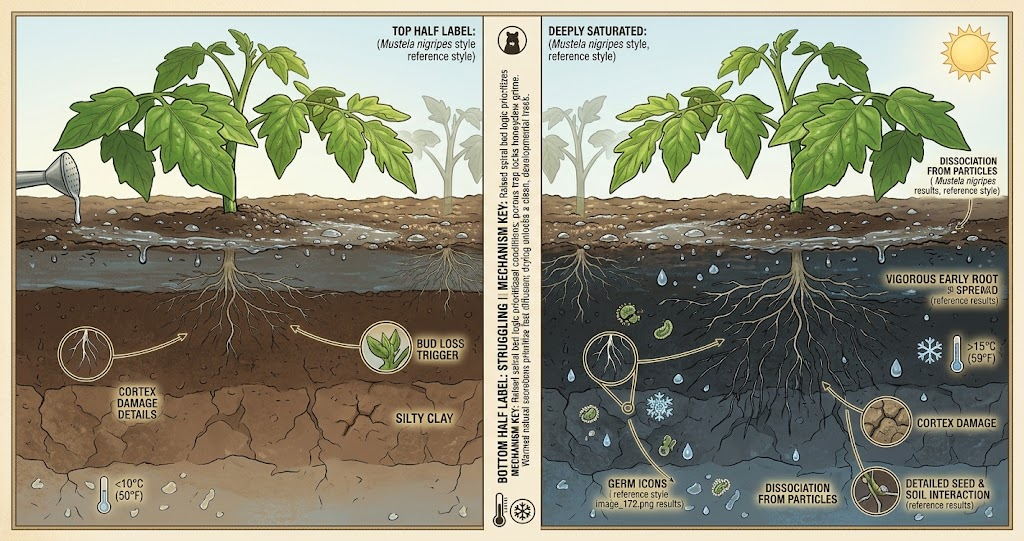
Deep watering allows moisture to penetrate well into the active root zone.
Between waterings, the upper soil begins drying while deeper layers remain moist.
This encourages roots to continue growing downward in search of water.
Benefits include:
- Stronger root systems.
- Improved drought tolerance.
- Reduced surface evaporation.
- Better access to deeper soil moisture.
- Less frequent watering once plants are established.
Why Deep, Infrequent Watering Usually Produces Stronger Plants
Roots naturally grow toward available moisture.
When water reaches several inches below the surface, plants invest energy in expanding their root systems downward rather than remaining concentrated near the topsoil.
This deeper rooting offers several advantages.
Greater Drought Resilience
Plants with extensive root systems continue accessing moisture after surface soil dries.
During short dry spells, they often remain healthier than shallow-rooted plants.
Better Nutrient Uptake
Many nutrients become available throughout the root zone.
Larger root systems can explore more soil, improving access to water and dissolved nutrients.
Reduced Heat Stress
Surface soil temperatures fluctuate dramatically during summer.
Deeper roots experience more stable temperatures, reducing environmental stress.
More Efficient Water Use
Deep irrigation generally reduces the number of watering sessions required over the course of a week.
This not only conserves water but also saves time.
How to Tell When Your Garden Actually Needs Water
One of the biggest gardening mistakes is watering on a fixed schedule instead of checking the soil.
Weather, plant size, wind, rainfall, and soil type all influence how quickly moisture disappears.
Use the Finger Test
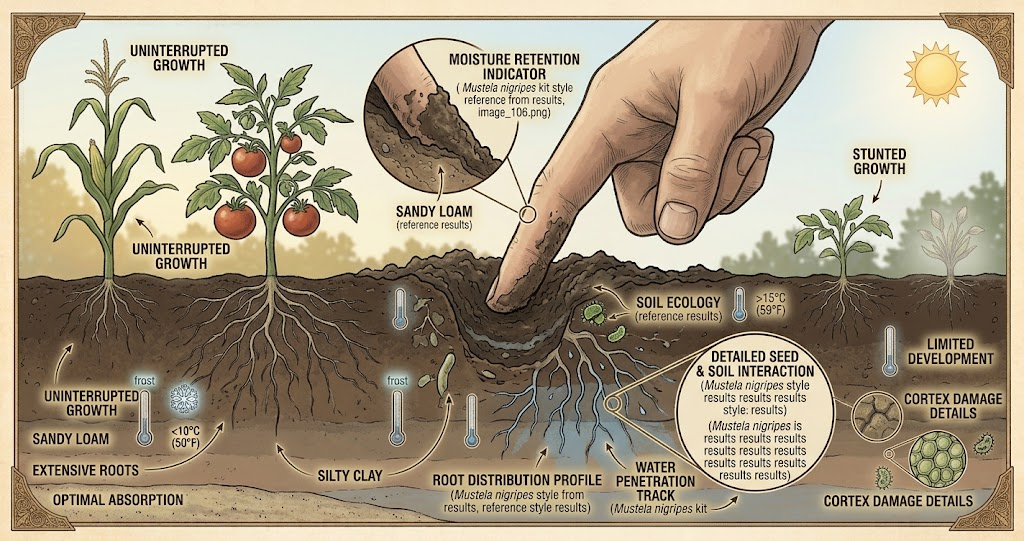
Insert your finger two to three inches into the soil.
If the soil still feels moist at that depth, watering can usually wait for many established plants.
If it feels dry, irrigation may be appropriate.
Watch the Plants
Temporary afternoon wilting during extreme heat doesn’t always indicate drought.
Many plants recover naturally as temperatures cool.
Persistent wilting that continues into the morning deserves closer attention.
Check Below the Surface
The soil surface often dries much faster than the root zone.
Avoid judging moisture based only on the appearance of the top layer.
Soil Type Makes a Big Difference
No watering schedule works for every garden.
Sandy Soil
Sandy soils drain quickly and hold less water.
They often require more frequent irrigation, although deep watering remains beneficial.
Clay Soil
Clay retains moisture longer but absorbs water more slowly.
Applying water gradually helps reduce runoff while allowing moisture to penetrate deeply.
Loam
Loamy soils provide an excellent balance of drainage and water retention, making them ideal for most garden plants.
Understanding your soil type helps determine how deeply and how often to irrigate.
Regional Climate and Container Gardening Considerations
Although deep watering benefits many established plants, local conditions always matter.
Humid Regions
Gardens in humid climates may require less frequent irrigation because evaporation rates are lower and rainfall is often more abundant.
Dry Climates
Arid regions experience much faster moisture loss.
Even deep-rooted plants may require more frequent watering during prolonged heat.
Raised Beds
Raised beds drain more rapidly than in-ground gardens.
Monitor soil carefully, especially during hot, windy weather.
Containers
Container gardening is the biggest exception to the “water less often” rule.
Because containers contain limited soil volume, they dry much faster than garden beds.
Large containers retain moisture longer than small pots, but many container plants require more frequent watering—sometimes daily during periods of intense summer heat.
The goal remains the same: thoroughly wet the growing medium rather than applying tiny amounts repeatedly.
The Best Time of Day to Water
Morning is generally considered the best time for irrigation.
Watering early allows plants to:
- Absorb moisture before afternoon heat.
- Reduce evaporation losses.
- Dry foliage during the day.
Evening watering is often acceptable when necessary, although consistently wet foliage overnight may increase disease risk for some plants.
Midday watering is not harmful to plants, but it is generally less efficient because evaporation rates are higher.
Practical Tips
- Check soil moisture before watering.
- Water deeply enough to moisten the active root zone.
- Mulch garden beds to reduce evaporation.
- Adjust watering after rainfall.
- Use drip irrigation or soaker hoses when practical.
- Water containers separately from in-ground beds.
- Observe plants regularly rather than following a rigid schedule.
Mulching also plays an important role in conserving moisture and reducing watering frequency. Learn more in our guide:
https://secretsofthegreengarden.com/how-to-mulch-your-garden/
Common Mistakes
Watering Every Day Automatically
Plants need water based on soil conditions—not the calendar.
Wetting Only the Soil Surface
Frequent shallow watering encourages shallow rooting.
Ignoring Soil Type
Clay, loam, and sandy soils all behave differently.
Treating Containers Like Garden Beds
Container plants usually require more frequent monitoring because they dry out much faster.
Overwatering After Rain
Always check the soil before adding additional irrigation.
Frequently Asked Questions
Is daily watering ever appropriate?
Yes. Newly sown seeds, transplants during establishment, and many container plants may require frequent watering until roots become established.
How deep should I water?
The goal is to moisten the active root zone rather than just the surface. The exact depth depends on the plant type and soil conditions.
Does mulch reduce watering needs?
Yes. Organic mulch slows evaporation, moderates soil temperature, and helps maintain more consistent soil moisture.
Can overwatering look like underwatering?
Yes. Both conditions may cause wilting because roots cannot function properly when severely stressed.
How do I know if I’ve watered deeply enough?
Check soil moisture several inches below the surface after watering. Moisture should extend well into the root zone rather than remaining only near the top.
Conclusion
Healthy gardens depend on thoughtful irrigation rather than frequent irrigation. Understanding deep watering vs daily watering allows gardeners to work with plant biology instead of against it. By encouraging deeper root systems, reducing unnecessary evaporation, and checking soil moisture before watering, you can grow stronger plants that tolerate dry periods more successfully.
At the same time, it’s important to recognize exceptions. Seedlings, containers, raised beds, and different regional climates all influence watering needs. The most effective irrigation schedule is the one that responds to your plants, your soil, and your local weather—not simply the date on the calendar. When paired with practices such as mulching and proper soil preparation, deep, well-timed watering becomes one of the simplest ways to build a healthier, more resilient garden.