
Table of Contents
- Why Do Orb-Weaver Spiders Suddenly Appear Everywhere?
- The Life Cycle of Orb-Weaver Spiders
- Why They’re Biggest in Late Summer and Early Fall
- How Orb-Weavers Build Their Famous Webs
- Why These Spiders Are Good for Your Garden
- Are Orb-Weaver Spiders Dangerous?
- Living Peacefully with Orb-Weavers
- When and How to Relocate a Web Safely
- Practical Tips
- Common Mistakes
- Frequently Asked Questions
- Conclusion
Why Orb-Weaver Spiders Suddenly Seem Huge in Late Summer
Every year, many gardeners notice the same surprising phenomenon. A spider that seemed almost invisible a few weeks earlier now appears to be the size of a golf ball, suspended in the middle of a large, perfectly woven web stretched across a garden path or between shrubs. If you’ve wondered why orb weaver spiders late summer become so much more noticeable, you’re witnessing a completely natural stage in their annual life cycle.
Across much of the United States, common orb-weaver spiders spend most of the growing season quietly feeding and growing. By late summer and early fall, they have reached adulthood, their webs are larger than ever, and many females are carrying eggs. Combined with cooler mornings that decorate their silk with dew, these changes make orb-weavers seem as though they appeared overnight—even though many have been living in your garden since spring.
Despite their intimidating size, orb-weavers are among the most beneficial predators in backyard ecosystems. They capture enormous numbers of flying insects, rarely interact with people, and generally pose little risk to humans. Understanding their seasonal biology can turn an unexpected encounter into an appreciation for one of nature’s most skilled engineers.
Why Do Orb-Weaver Spiders Suddenly Appear Everywhere?
The spiders haven’t suddenly arrived.
Most common North American orb-weavers hatch earlier in the growing season and gradually increase in size over several months.
During spring and early summer, young spiders are tiny and easy to overlook. Their webs are also smaller and often hidden among dense vegetation.
By late summer, however, several factors combine to make them impossible to ignore:
- Adult females have reached their maximum size.
- Webs become much larger.
- Morning dew outlines nearly invisible silk.
- Gardens contain abundant flying insects.
- Many spiders build webs in more open locations.
The result is the impression that hundreds of giant spiders appeared overnight when, in reality, they have simply reached the most visible stage of their lives.
The Life Cycle of Orb-Weaver Spiders
Orb-weavers belong to a large family of spiders called Araneidae, which includes hundreds of species throughout North America.
Although individual species differ somewhat, many common garden orb-weavers follow a similar annual cycle.
Spring: Tiny Spiderlings Emerge
Most begin life inside egg sacs produced the previous autumn.
As temperatures warm, young spiderlings emerge and disperse.
Many use a behavior called ballooning, releasing silk threads that catch the wind and carry them to new locations.
This remarkable strategy allows spiders to colonize gardens, meadows, forests, and fields.
Summer: Rapid Growth
Throughout summer, juvenile orb-weavers spend nearly all their time hunting.
Unlike spiders that actively chase prey, orb-weavers rely on elaborate circular webs to intercept flying insects.
Each successful capture provides the protein needed for continued growth.
As insect populations increase during summer, spiders grow rapidly.
Late Summer: Adulthood
By late summer, many females have reached full size.
This is when gardeners most often notice them.
Adult females are considerably larger than males in many species, making the seasonal change especially dramatic.
The University of Kentucky Department of Entomology provides an excellent overview of common orb-weaver biology:
https://entomology.ca.uky.edu/
Autumn: Reproduction
After mating, females produce egg sacs containing numerous eggs.
Once eggs are laid, the adult spiders eventually die as colder weather arrives.
The next generation survives winter inside the protective egg sac, beginning the cycle again the following spring.
H2: Orb Weaver Spiders Late Summer – Why They Look So Much Bigger
Several biological changes occur simultaneously during late summer.
Adult Females Reach Maximum Size
Female orb-weavers continue growing throughout much of the summer.
By late August and September, many have reached their largest body size.
Species such as the yellow garden spider (Argiope aurantia) or spotted orb-weaver (Neoscona crucifera) can appear remarkably large compared with the tiny juveniles seen earlier in the year.
Egg Production Adds Weight
As females prepare to lay eggs, their abdomens often become noticeably swollen.
This additional size can make them appear much larger than they actually are.
More Flying Insects Mean More Food
Late summer often brings abundant populations of:
- Mosquitoes
- Flies
- Moths
- Beetles
- Leafhoppers
- Flying ants
- Small wasps
With plentiful prey available, spiders continue feeding successfully until cooler weather reduces insect activity.
Dew Makes Webs Impossible to Miss
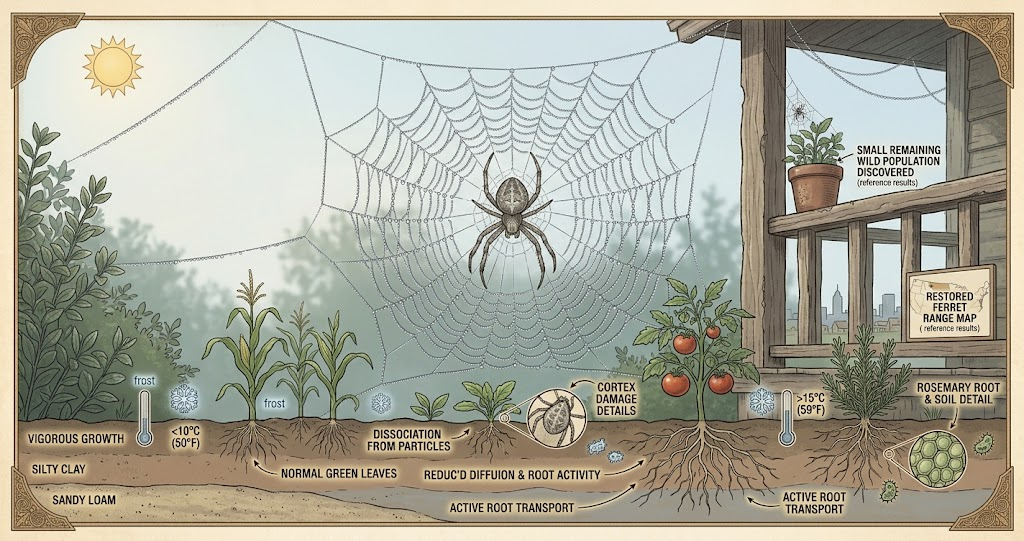
During much of the summer, orb webs are nearly invisible.
Cooler mornings in late summer and early fall often produce dew that coats the silk with tiny water droplets.
Suddenly, intricate circular webs sparkle in the sunlight, drawing attention to spiders that may have occupied the same location for days.
How Orb-Weavers Build Their Famous Webs
Orb-weaver webs are among the most recognizable structures in nature.
Although details vary by species, the construction process generally follows several steps.
Building the Framework
The spider first establishes anchor lines between branches, fences, buildings, or other supports.
These structural threads create the framework for the web.
Adding the Radii
Next, the spider constructs spokes radiating outward from the center, much like the spokes of a bicycle wheel.
These threads provide stability.
Creating the Spiral
Finally, the spider spins the familiar spiral of sticky capture silk.
Flying insects become trapped in these adhesive threads while the spider waits nearby.
Many orb-weavers consume damaged sections of silk each morning before rebuilding fresh portions of the web overnight.
This recycling process helps recover valuable proteins used to produce new silk.
Why These Spiders Are Good for Your Garden
Orb-weavers provide natural pest control throughout the growing season.
Their prey includes many insects gardeners consider nuisances or pests.
Common captures include:
- Mosquitoes
- House flies
- Fungus gnats
- Leafhoppers
- Flying aphids
- Some moths
- Certain beetles
Although they cannot eliminate pest populations entirely, orb-weavers contribute to the complex network of natural predators that helps maintain ecological balance.
If you’re interested in attracting more beneficial predators, read our guide:
https://secretsofthegreengarden.com/beneficial-insects-for-your-garden/
Are Orb-Weaver Spiders Dangerous?
For most people, no.
Orb-weavers are generally shy spiders that avoid human contact whenever possible.
Most remain quietly in their webs and flee if disturbed.
Although nearly all spiders possess venom to subdue prey, orb-weavers are not considered medically significant for the vast majority of healthy people in North America.
Bites are uncommon because these spiders rarely attempt to bite unless handled or trapped against the skin.
As with any bite or sting, individuals experiencing severe allergic reactions or unusual symptoms should seek medical attention.
Living Peacefully with Orb-Weavers
In many gardens, the best approach is simply to leave orb-weavers alone.
Their lives are relatively short, and they provide useful ecological services while requiring no care from people.
Watching an orb-weaver rebuild its web at dusk can be one of the most fascinating wildlife experiences available in an ordinary backyard.
Because most webs are rebuilt regularly, temporary inconvenience often resolves naturally.
When and How to Relocate a Web Safely
Occasionally, a web appears across a frequently used doorway, sidewalk, or garden path.
If relocation becomes necessary, there’s usually no need to harm the spider.
Instead:
- Wait until daylight when the spider is easier to see.
- Use a soft stick or piece of cardboard to encourage the spider onto the surface.
- Move it gently to nearby shrubs or vegetation.
- Avoid handling spiders directly.
Destroying webs repeatedly in the same location is often unnecessary because many spiders simply rebuild them overnight.
Relocating the spider once is generally more effective if the location creates a recurring problem.
Practical Tips
- Look for orb-weavers early in the morning when dew highlights their webs.
- Leave webs undisturbed whenever possible.
- Reduce unnecessary pesticide use to preserve beneficial predators.
- Relocate webs rather than destroying them if they block walkways.
- Observe spiders from a respectful distance instead of handling them.
- Teach children that these spiders are generally beneficial and should not be disturbed.
Common Mistakes
Assuming Large Means Dangerous
Many orb-weavers appear intimidating because of their size, but they are generally harmless to people.
Destroying Every Web
Removing every web also removes an effective natural insect predator from your garden.
Using Pesticides Unnecessarily
Broad-spectrum insecticides can reduce populations of beneficial spiders along with pest insects.
Handling Spiders Directly
Even harmless wildlife should be observed rather than handled whenever possible.
Frequently Asked Questions
Why are orb-weavers so much bigger in late summer?
They have spent the growing season feeding and developing. Adult females reach their largest size in late summer as they prepare for reproduction.
Do orb-weavers rebuild their webs every day?
Many species rebuild all or part of their web regularly, often during the evening or overnight.
Are orb-weaver spiders poisonous?
Orb-weavers possess venom for capturing prey, but they are generally not considered dangerous to humans and bites are uncommon.
Should I remove orb-weaver webs from my garden?
Not unless they create a safety issue in high-traffic areas. Most garden webs can be left in place where they help capture flying insects.
What happens to orb-weavers in winter?
Most adults die after reproducing in autumn. The next generation survives inside protected egg sacs until spring.
Conclusion
The sudden appearance of large orb-weaver spiders in late summer isn’t the result of an invasion—it’s simply the final chapter of an annual life cycle that has been unfolding quietly all season. As females reach maturity, build larger webs, and prepare to lay eggs, they naturally become much more noticeable in gardens across the United States.
Far from being pests, orb-weavers are skilled predators that help reduce populations of many flying insects while posing little threat to people. By understanding their seasonal biology and choosing coexistence whenever possible, gardeners can appreciate these remarkable arachnids as valuable members of a healthy backyard ecosystem. When a web appears in an inconvenient location, gentle relocation is usually all that’s needed to keep both people and spiders safe.