
Introduction
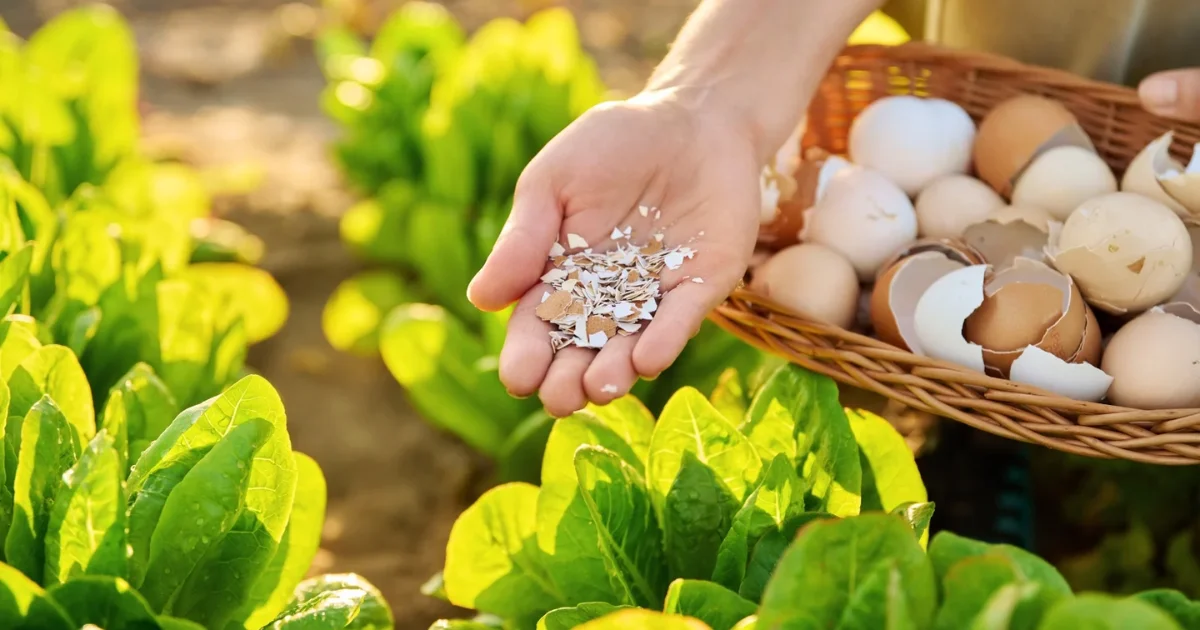
Walk into almost any gardening group, community garden, or online forum, and you’ll quickly encounter one piece of advice that has been passed down for generations: don’t throw away your eggshells.
Gardeners save them in jars, dry them on windowsills, crush them with rolling pins, grind them into powder, or scatter them around vegetables. Some believe they stop slugs. Others swear they prevent blossom-end rot in tomatoes. Many add them to compost or directly into planting holes, convinced they provide a steady source of calcium.
The truth is more interesting—and more nuanced.
Eggshells can certainly play a useful role in the garden, but not always in the ways they’re commonly described. Their effectiveness depends on how they’re prepared, how they’re used, the chemistry of the soil, and the specific gardening problem they’re intended to solve.
Understanding the science behind eggshells helps separate useful practices from long-standing gardening myths, allowing gardeners to use this readily available resource where it genuinely provides value.
What Are Eggshells Made Of?
An eggshell is far more than a fragile protective covering.
Approximately 95% of a chicken eggshell consists of calcium carbonate (CaCO₃), the same compound found in agricultural lime, seashells, and limestone.
The remaining portion contains:
- Small amounts of magnesium carbonate.
- Calcium phosphate.
- Organic proteins.
- Trace minerals.
The shell itself is remarkably strong because calcium carbonate crystals are bound together by a network of proteins.
Before using eggshells in the garden, many gardeners rinse and dry them. This removes residual egg white that could attract pests and reduces unpleasant odors during storage.
Why Gardeners Save Eggshells
Eggshells are commonly used for three reasons:
- To supply calcium to plants.
- To deter slugs and snails.
- To improve compost.
Each claim contains some truth—but none is quite as simple as it first appears.
Myth 1: Eggshells Instantly Feed Plants with Calcium
This is perhaps the most widespread belief.
Since eggshells contain calcium, many gardeners assume plants can immediately absorb it after shells are added to the soil.
Unfortunately, it doesn’t work that way.
Calcium Must Be Released First
Calcium inside an eggshell is locked within solid calcium carbonate.
Plants absorb calcium only after it dissolves into soil water as calcium ions.
Calcium carbonate dissolves slowly, especially in neutral or alkaline soils.
Large shell fragments may persist in garden beds for years.
This means whole eggshells are not a quick calcium fertilizer.
Soil pH Matters
The rate at which eggshells dissolve depends largely on soil acidity.
In acidic soils:
- Calcium carbonate dissolves more readily.
- Calcium becomes available faster.
In neutral or alkaline soils:
- Dissolution is much slower.
- Shells may remain largely unchanged for extended periods.
Gardeners should therefore view eggshells as a very slow-release calcium source rather than an immediate nutrient supplement.
Does Grinding Help?
Yes—but only to a point.
Breaking eggshells into smaller pieces increases their surface area.
Greater surface area allows:
- Faster microbial action.
- Greater contact with soil moisture.
- More rapid chemical weathering.
Whole Eggshells
These decompose extremely slowly.
Whole shells may remain recognizable for several years.
Crushed Eggshells
Crushed shells break down more quickly but still release calcium gradually.
Powdered Eggshells
Finely ground eggshell powder provides the greatest surface area.
Although still relatively slow compared with soluble calcium fertilizers, powdered shells become available considerably faster than large fragments.
For gardeners hoping to maximize nutrient release, grinding eggshells into a fine powder is generally more effective than simply crushing them.
Can Eggshells Prevent Blossom-End Rot?
Blossom-end rot affects tomatoes, peppers, eggplants, and squash.
The disorder results from insufficient calcium reaching developing fruit.
This often leads gardeners to bury eggshells beneath tomato plants.
However, research shows that blossom-end rot is usually not caused by a lack of calcium in the soil.
More commonly, it develops because plants cannot transport available calcium efficiently.
Factors contributing to blossom-end rot include:
- Inconsistent watering.
- Rapid growth.
- Root damage.
- Heat stress.
- Fluctuating soil moisture.
Fresh eggshells placed into the planting hole generally dissolve too slowly to prevent the disorder during that growing season.
Maintaining even soil moisture is usually far more effective.
Myth 2: Eggshells Keep Slugs Away
This idea has circulated for decades.
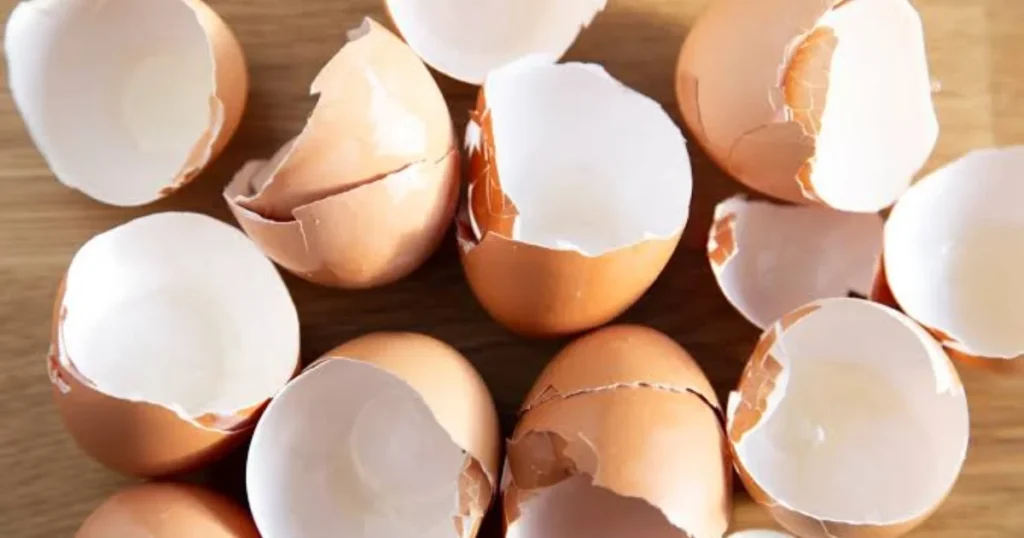
The theory suggests sharp shell fragments create a barrier that slugs refuse to cross.
Laboratory and field studies have produced mixed results.
Many observations indicate that slugs can cross crushed eggshell barriers with little difficulty, particularly after rain softens the surface or vegetation bridges the barrier.
Researchers generally find little evidence that crushed eggshells provide reliable slug control on their own.
While they may slightly discourage movement under certain conditions, they should not be considered a dependable pest management strategy.
More reliable approaches include:
- Hand collection.
- Beer traps.
- Copper barriers.
- Encouraging natural predators.
- Reducing slug hiding places.
Myth 3: Eggshells Transform Compost
Eggshells certainly belong in compost.
However, they do not dramatically accelerate composting.
Instead, they contribute:
- Calcium.
- Mineral diversity.
- Structural material.
Large shell pieces often remain visible even after compost has matured.
Grinding them before composting helps speed their breakdown.
Finished compost may still contain recognizable shell fragments, which continue decomposing after being added to the garden.
Eggshells and Soil pH
Because eggshells consist largely of calcium carbonate, they function similarly to very mild agricultural lime.
Over long periods, repeated additions may help reduce soil acidity slightly.
However, the effect is gradual.
Gardeners attempting to significantly adjust soil pH should rely on soil testing before adding any liming material.
Commercial agricultural lime remains much more predictable because its particle size and calcium content are standardized.
Can Earthworms Use Eggshells?
Earthworms do not eat eggshells as a primary food source.
However, finely ground mineral particles may become incorporated into their digestive process as they consume decaying organic matter.
Earthworms also benefit indirectly because calcium contributes to healthy soil chemistry.
The overall value comes less from feeding worms directly and more from supporting a balanced soil ecosystem.
Eggshells in Worm Bins
Many vermicompost enthusiasts add finely crushed eggshells to worm bins.
The shells may:
- Supply calcium.
- Add grit that assists mechanical digestion.
- Slightly buffer acidity over time.
Only clean, dry shells should be used to avoid attracting unwanted pests.
Starting Seeds in Eggshells
Using half eggshells as miniature seed-starting containers has become popular online.
While attractive, they have limitations.
Advantages include:
- Reusing kitchen waste.
- Small individual containers.
- Decorative appearance.
Disadvantages include:
- Extremely limited root space.
- Rapid drying.
- Difficult transplanting.
- Little nutritional benefit.
Most seedlings quickly outgrow eggshell containers.
Larger biodegradable pots or modular seed trays are generally more practical.
Making Eggshell Powder
For gardeners who want maximum benefit, finely ground powder is the most useful form.
A typical process includes:
- Rinse shells thoroughly.
- Allow them to dry completely.
- Bake briefly if desired to sterilize and improve brittleness.
- Grind using a coffee grinder, food processor, or mortar and pestle.
- Store the powder in a dry container.
The finer the powder, the faster it reacts with soil.
Better Ways to Use Eggshells
Rather than expecting dramatic results, use eggshells where their slow-release nature becomes an advantage.
Excellent uses include:
- Adding to compost.
- Mixing powdered shells into garden beds over the long term.
- Incorporating into worm bins.
- Using in soils known to be acidic.
- Recycling kitchen waste that would otherwise be discarded.
Viewed this way, eggshells become one component of long-term soil improvement rather than a quick fix.
Practical Tips
- Wash shells before storing them.
- Grind them as finely as possible.
- Add powdered shells to compost or soil months before planting.
- Maintain consistent watering to reduce blossom-end rot.
- Test soil before trying to correct calcium deficiencies.
- Use eggshells as part of a broader soil-building strategy.
Common Mistakes
Expecting Immediate Calcium
Whole shells release calcium very slowly.
Relying on Eggshells for Slug Control
Research suggests they are not consistently effective barriers.
Burying Whole Shells Beneath Tomatoes
This is unlikely to prevent blossom-end rot during the current growing season.
Ignoring Soil Testing
Adding calcium without understanding existing soil conditions may provide little benefit.
Throwing Away the Green Leaves
Oops—wrong crop! Instead, remember not to discard usable eggshell powder simply because results aren’t immediate; its benefits are long-term.
Frequently Asked Questions
Do eggshells add calcium to the soil?
Yes. Eggshells are primarily calcium carbonate, but the calcium becomes available only gradually as the shells decompose.
Are powdered eggshells better than crushed shells?
Yes. Finely ground powder has a much greater surface area, allowing it to weather and release calcium more quickly than large fragments.
Can eggshells stop slugs?
Current research suggests crushed eggshells are not a consistently reliable slug barrier, especially under wet conditions.
Will eggshells prevent blossom-end rot?
Not immediately. Blossom-end rot is usually linked to inconsistent water movement within the plant rather than a simple shortage of soil calcium.
Can eggshells go into compost?
Absolutely. They add calcium and other minerals, although grinding them first helps them break down more efficiently.
Conclusion
Eggshells deserve their place in the garden—but for reasons that are often different from traditional gardening folklore. They are an excellent example of a material whose value lies in patience rather than instant results.
As a slow-release source of calcium carbonate, they contribute to long-term soil improvement, especially when finely ground and incorporated into compost or garden beds. They are less effective as a quick calcium fertilizer, an immediate cure for blossom-end rot, or a dependable defense against slugs.
Used with realistic expectations, eggshells represent exactly the kind of sustainable practice many gardeners strive for: recycling a household waste product into a resource that gradually improves the garden over time. The key is understanding that nature rarely works overnight, and neither do eggshells.
Internal Linking
Learn why consistent watering is more important than extra calcium for many vegetables:
https://secretsofthegreengarden.com/heat-stress-in-plants/
Discover how healthy soil supports stronger plants year-round:
https://secretsofthegreengarden.com/why-not-leave-bare-soil-winter/
See how ancient clay pot irrigation helps maintain even soil moisture:
https://secretsofthegreengarden.com/olla-irrigation-clay-pot-watering/
Learn how Korean Natural Farming uses biological inputs to improve soil health:
https://secretsofthegreengarden.com/korean-natural-farming-fermented-plant-juice-fpj/
Recommended External Sources
- Royal Horticultural Society (RHS): https://www.rhs.org.uk
- University of Illinois Extension: https://extension.illinois.edu
- Oregon State University Extension Service: https://extension.oregonstate.edu