
Introduction
Long before drip irrigation systems, timers, and soaker hoses existed, ancient farmers developed a remarkably efficient way to water crops. Around 4,000 years ago, communities in parts of China, the Near East, and later many other arid regions discovered that a simple unglazed clay pot buried in the soil could slowly release water directly to plant roots.
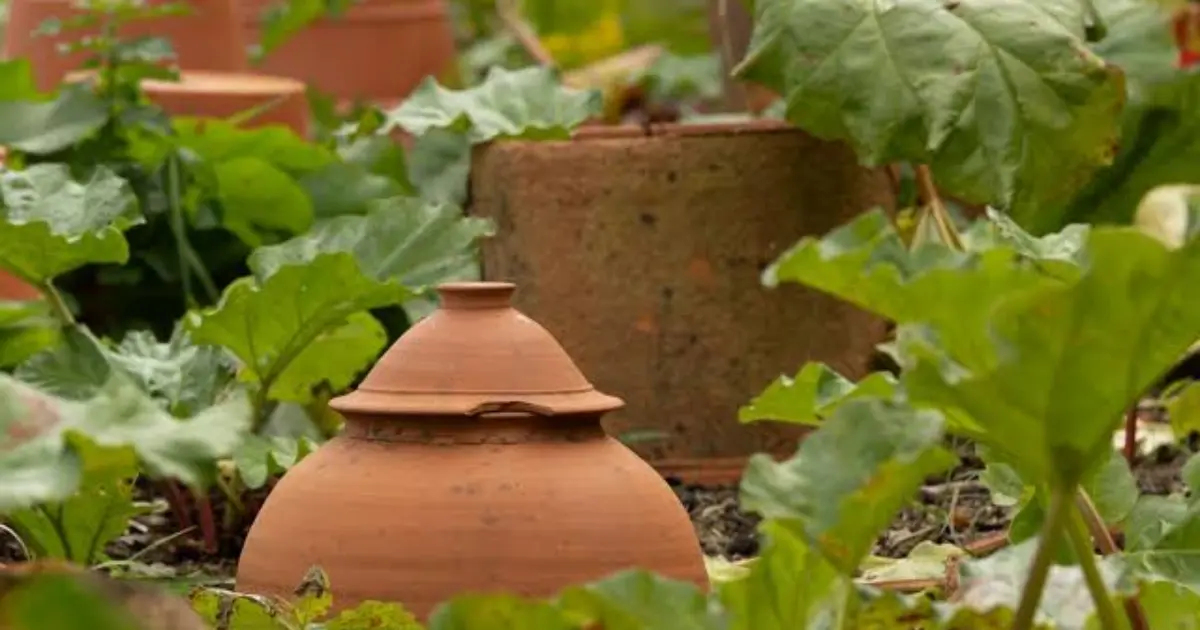
The system was elegantly simple. An unglazed clay vessel—known today as an olla (pronounced “oy-ya”)—was buried with only its neck exposed above the soil. Filled with water, the porous clay allowed moisture to seep gradually into the surrounding earth, but only as the soil dried and plant roots removed water. Instead of flooding the soil and allowing much of the moisture to evaporate, the water moved exactly where it was needed: into the root zone.
Thousands of years later, this ancient technique is enjoying a revival among home gardeners, organic growers, and water-conscious landscapers. In an era of increasing droughts and rising water costs, olla irrigation offers an effective, low-maintenance solution that combines ancient wisdom with modern sustainability.
What Is an Olla?
An olla is an unglazed clay pot designed for underground irrigation.
Unlike glazed pottery, unglazed clay contains microscopic pores that allow water to move slowly through the walls of the vessel.
A typical olla consists of:
- A porous clay body.
- A narrow neck extending above ground.
- A lid or cover to reduce evaporation and keep debris out.
Once buried and filled with water, the olla gradually supplies moisture to nearby plants without surface runoff or excessive evaporation.
How Does an Olla Work?
The effectiveness of an olla depends on a simple physical principle.
When the surrounding soil becomes dry, water moves through the microscopic pores in the clay into the soil. As the soil becomes moist again, this movement slows dramatically.
Plant roots absorb moisture from the surrounding soil, creating a gentle moisture gradient that encourages additional water to move from the pot.
The result is a self-regulating irrigation system that releases water largely according to the needs of the surrounding soil and plant roots.
Unlike traditional watering methods, the pot does not empty rapidly. Depending on its size, soil type, weather, and plant demand, a single filling may last several days.
Why Olla Irrigation Is So Efficient
Surface watering often loses significant amounts of water before plants can use it.
Water may:
- Evaporate in the sun.
- Run off compacted soil.
- Wet pathways instead of roots.
- Encourage shallow rooting.
Ollas avoid many of these losses by delivering water underground.
Benefits include:
- Reduced evaporation.
- Deep root watering.
- More consistent soil moisture.
- Less runoff.
- Lower overall water use.
Studies and field observations have shown that buried clay pot irrigation can substantially reduce irrigation water compared with conventional surface watering, particularly in dry climates.
Encouraging Stronger Root Systems
One of the biggest advantages of olla irrigation is the way it influences root growth.
Because water is concentrated beneath the soil surface, roots naturally grow downward toward the moisture source.
This encourages:
- Deeper root systems.
- Better drought tolerance.
- More stable plants.
- Improved access to nutrients.
Plants watered only from the surface often develop shallower root systems that dry out more quickly during hot weather.
Why the Soil Stays Healthier
Flooding soil with large amounts of water can displace air from soil pores and create periods of waterlogging.
Ollas release moisture gradually.
This helps maintain a better balance between:
- Water.
- Air.
- Beneficial microorganisms.
Steady soil moisture also reduces stress caused by repeated cycles of complete drying followed by heavy watering.
Which Plants Grow Well with Ollas?
Many vegetables and ornamental plants respond well to underground irrigation.
Popular choices include:
- Tomatoes.
- Peppers.
- Eggplants.
- Cucumbers.
- Beans.
- Squash.
- Zucchini.
- Melons.
- Basil.
- Herbs.
- Roses.
- Perennials.
Young trees and shrubs can also benefit from larger buried clay reservoirs during establishment.
Choosing the Right Size
Ollas are available in many sizes.
Smaller pots work well for:
- Containers.
- Raised beds.
- Individual vegetables.
Larger ollas are better suited for:
- Larger vegetable beds.
- Groups of plants.
- Small fruit trees.
- Ornamental borders.
The ideal spacing depends on the pot’s size, soil texture, and the water requirements of nearby plants.
Soil Type Matters
Different soils distribute water differently.
Sandy Soil
Water moves more quickly but spreads a shorter distance.
More frequent refilling or closer spacing may be needed.
Loamy Soil
Loam provides one of the best balances between drainage and moisture retention.
Water spreads evenly while remaining available to roots.
Clay Soil
Water moves more slowly but often spreads farther once the surrounding soil becomes moist.
Understanding your soil helps determine the most effective placement of ollas.
Installing an Olla
Installation is straightforward.
- Dig a hole slightly larger than the pot.
- Place the olla into the soil with only the neck remaining above ground.
- Backfill firmly around the pot.
- Fill the vessel with water.
- Cover the opening with a lid or stone.
- Plant crops within the watering radius.
Keeping the neck above ground helps prevent soil from entering the pot.
Making Your Own Olla
Many gardeners create homemade ollas using two unglazed terracotta pots.
The process generally involves:
- Sealing the drainage hole in one pot.
- Joining two pots together with waterproof sealant.
- Leaving one opening available for filling.
- Burying the completed vessel.
Commercially manufactured ollas are also widely available in many sizes and shapes.
Water Savings
One reason ollas have attracted renewed attention is their impressive water efficiency.
Because water is delivered directly below the soil surface, losses from evaporation are greatly reduced.
While actual savings depend on climate, crop type, and irrigation practices, research has shown that buried clay pot irrigation can use substantially less water than traditional surface watering while maintaining healthy plant growth.
For gardeners facing drought restrictions or seeking more sustainable practices, this efficiency is especially valuable.
Maintenance Requirements
Ollas require very little maintenance.
Occasionally:
- Refill with clean water.
- Check for cracks.
- Clean mineral deposits if necessary.
- Inspect the lid to keep insects and debris out.
In areas with hard water, mineral buildup may gradually reduce the clay’s permeability.
Periodic cleaning with a mild vinegar solution can help restore water movement.
Limitations of Olla Irrigation
Although highly effective, ollas are not ideal for every situation.
They may be less practical for:
- Large commercial fields.
- Extensive lawns.
- Closely spaced cereal crops.
- Very shallow-rooted plants requiring frequent surface moisture.
They work best where plants are widely spaced and water efficiency is a priority.
Ancient Technology, Modern Relevance
The remarkable aspect of olla irrigation is not its age but its continued effectiveness.
Many ancient agricultural techniques have been replaced by modern technology, yet buried clay pot irrigation remains surprisingly competitive because it solves a timeless challenge: delivering water directly to plant roots while minimizing waste.
As climate change increases pressure on freshwater resources in many regions, interest in traditional low-tech irrigation methods continues to grow.
Practical Tips
- Use only unglazed clay pots.
- Keep the opening covered to reduce evaporation.
- Position plants within the watering radius.
- Check water levels every few days during hot weather.
- Install ollas before planting whenever possible.
- Clean pots annually if mineral deposits accumulate.
Common Mistakes
Using Glazed Pots
Glazed pottery prevents water from passing through the walls.
Leaving the Opening Uncovered
Open pots lose more water through evaporation and may collect debris or attract mosquitoes.
Planting Too Far Away
Roots should remain close enough to benefit from the underground moisture.
Ignoring Soil Type
Water spreads differently in sandy, loamy, and clay soils, affecting spacing and performance.
Frequently Asked Questions
What is an olla?
An olla is an unglazed clay pot buried in the soil that slowly releases water directly to plant roots through its porous walls.
How long does an olla stay full?
Depending on the pot size, weather, soil, and crop, one filling may last anywhere from a few days to over a week.
Does an olla waste water?
Very little. Because water moves underground, evaporation and runoff are greatly reduced compared with surface watering.
Which plants benefit most from olla irrigation?
Tomatoes, peppers, cucumbers, squash, herbs, flowers, and many fruiting vegetables perform especially well with this method.
Can I make an olla myself?
Yes. Many gardeners build homemade ollas using two unglazed terracotta pots sealed together, although commercially made versions are also available.
Conclusion
The olla demonstrates that effective garden technology does not always require electronics, pumps, or complex irrigation systems. More than 4,000 years after its invention, this simple buried clay pot remains one of the most efficient ways to deliver water exactly where plants need it.
By reducing evaporation, encouraging deeper roots, conserving water, and maintaining steady soil moisture, olla irrigation offers a practical solution for today’s gardeners while drawing on one of humanity’s oldest agricultural innovations. Sometimes, the best ideas are not the newest—they are the ones that have quietly stood the test of time.
SEO Package
SEO Title: Olla Irrigation Explained: The Ancient Watering Method That Saves Water
Meta Description: Discover how buried clay pot irrigation, known as olla watering, conserves water, strengthens plant roots, and helps gardens thrive with minimal waste.
Focus Keyword: olla irrigation
Related Keywords:
- clay pot irrigation
- buried clay pots
- water-saving gardening
- drought gardening
- sustainable irrigation
- terracotta irrigation
- vegetable garden watering
- ancient irrigation methods
URL Slug: olla-irrigation-clay-pot-watering
Suggested Category: Garden Tips & DIY
Suggested Tags: Olla Irrigation, Water Conservation, Sustainable Gardening, Vegetable Garden, Irrigation, Terracotta Pots, Garden DIY, Organic Gardening
Internal Linking
Discover why healthy soil should never be left bare during winter:
https://secretsofthegreengarden.com/why-not-leave-bare-soil-winter/
Learn why August feeding requires a different approach:
https://secretsofthegreengarden.com/august-garden-feeding/
Build healthier gardens through companion planting:
https://secretsofthegreengarden.com/the-three-sisters-garden-method-why-corn-beans-and-squash-still-grow-better-together/
See how concrete planters improve with age:
https://secretsofthegreengarden.com/concrete-planters-age-beautifully/
Recommended External Sources
- Food and Agriculture Organization of the United Nations (FAO): https://www.fao.org
- University of California Agriculture and Natural Resources: https://ucanr.edu
- Royal Horticultural Society (RHS): https://www.rhs.org.uk