
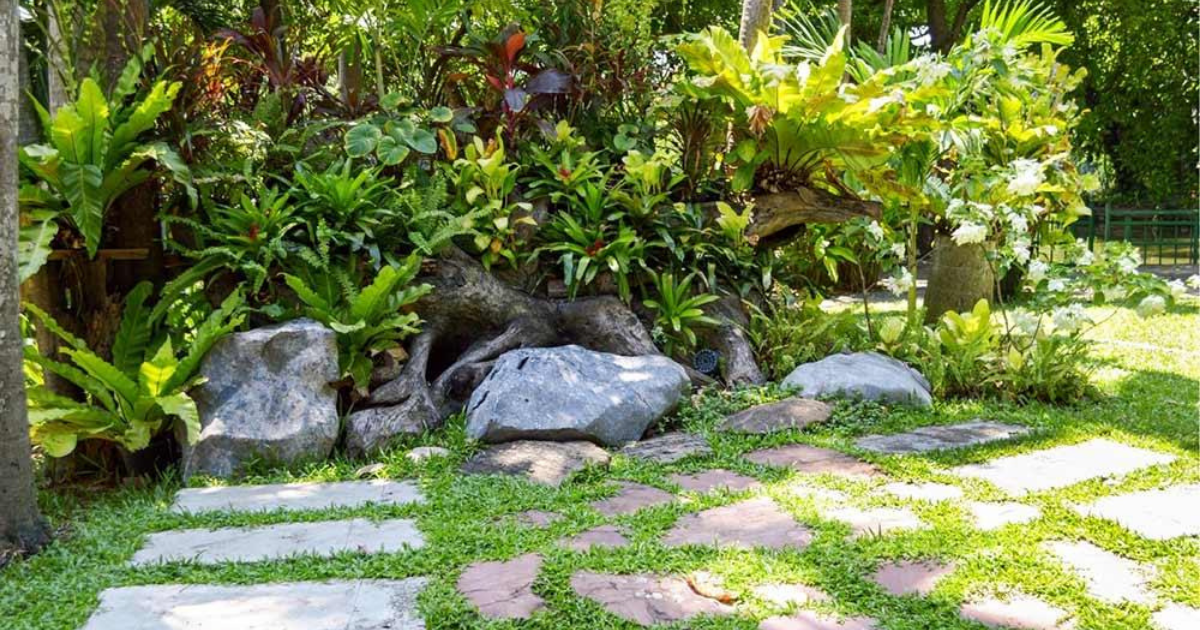
Primary Keyword: wildlife-friendly backyard
Transforming your outdoor space into a wildlife-friendly backyard is one of the most rewarding ways to support local biodiversity while creating a healthier, more vibrant garden. Even small changes—such as planting native flowers, providing fresh water, or leaving natural shelter areas—can attract birds, pollinators, amphibians, and beneficial insects.
As urban development continues to reduce natural habitats, residential gardens have become increasingly important refuges for wildlife. By designing your backyard with nature in mind, you can help support ecosystems while enjoying a thriving outdoor environment filled with birdsong, butterflies, and fascinating wildlife encounters.
Why Create a Wildlife-Friendly Backyard?
Traditional landscapes often prioritize tidy appearances over ecological function. However, wildlife-friendly gardens provide critical resources that many species struggle to find in developed areas.
The benefits of a wildlife-friendly backyard include:
- Supporting declining pollinator populations
- Providing food and shelter for native birds
- Encouraging natural pest control
- Improving soil health
- Enhancing biodiversity
- Creating educational opportunities for families
- Building resilience against environmental change
Even modest gardens can become valuable habitat corridors.
1. Plant Native Flowers and Shrubs
Native plants are the foundation of any successful wildlife habitat.
Because they evolved alongside local wildlife, native species often provide superior food and shelter compared to exotic ornamentals.
Why Native Plants Matter
Native plants support:
- Pollinating bees
- Butterflies
- Moths
- Seed-eating birds
- Beneficial insects
They also tend to require:
- Less irrigation
- Fewer fertilizers
- Reduced maintenance
Excellent Native Plant Choices
Depending on your region, consider species such as:
Milkweed (Asclepias spp.)
Essential host plants for monarch butterfly caterpillars.
Coneflowers (Echinacea spp.)
Provide nectar for pollinators and seeds for birds like goldfinches.
Native Asters (Symphyotrichum spp.)
Offer late-season nectar when many other flowers have finished blooming.
Planting diverse native species ensures resources are available throughout the year.
2. Provide Fresh Water Sources
Water is one of the most important yet often overlooked components of a wildlife-friendly backyard.
Birds and other animals need reliable access to clean water for:
- Drinking
- Bathing
- Cooling during hot weather
Choosing the Right Water Feature
A shallow, ground-level water dish works well for many species.
Ideal characteristics include:
- Sloping sides for easy access
- Water depth of 1–2 inches
- Stable placement in a quiet area
- Nearby vegetation for cover
Maintenance Tips
To prevent disease transmission:
- Replace water every few days.
- Clean containers regularly.
- Refresh more frequently during hot weather.
Fresh water attracts a surprising variety of backyard visitors.
3. Leave a Leaf Litter Zone
Fallen leaves are often removed immediately, but leaf litter provides valuable habitat for wildlife.
Allowing some leaves to remain beneath trees and shrubs supports ecological processes.
Benefits of Leaf Litter
Leaf litter:
- Improves soil structure
- Conserves moisture
- Provides food for decomposers
- Offers shelter for insects and amphibians
Wildlife That Benefits
Leaf litter supports:
- Ground beetles
- Fireflies
- Toads
- Songbirds searching for insects
- Small mammals
This simple practice promotes healthier soils while enhancing biodiversity.
4. Retain Dead Trees and Snags When Safe
Dead trees, also called snags, are incredibly important wildlife structures.
When they do not pose safety risks, preserving snags can dramatically increase habitat availability.
Why Snags Matter
Dead trees provide:
- Nesting cavities
- Feeding opportunities
- Shelter from predators
- Perching locations
Wildlife That Uses Snags
Common visitors include:
- Woodpeckers
- Chickadees
- Nuthatches
- Owls
- Small mammals
Woodpeckers often excavate nesting holes that later benefit many other species.
If retaining a full snag isn’t possible, installing nest boxes may offer an alternative.
5. Create Brush Piles for Shelter
A brush pile is one of the easiest habitat features to establish.
Instead of discarding fallen branches and pruning debris, stack them in a quiet corner of the garden.
Benefits of Brush Piles
Brush piles provide:
- Shelter from predators
- Nesting opportunities
- Protection from harsh weather
- Safe overwintering sites
Wildlife That May Use Brush Piles
These natural shelters attract:
- Wrens
- Hedgehogs (where native)
- Small mammals
- Beneficial reptiles
- Ground-dwelling insects
Allowing brush piles to decompose naturally further enriches the ecosystem.
6. Establish Wildlife Corridors
Wildlife corridors allow animals to move safely between habitats.
Even small suburban gardens can contribute to larger habitat networks.
What Is a Wildlife Corridor?
A corridor is any connected pathway that helps wildlife travel through developed landscapes.
Examples include:
- Shrub borders
- Native hedgerows
- Connected garden plantings
- Fence gaps designed for small animals
Why Corridors Matter
Wildlife corridors help:
- Reduce habitat fragmentation
- Improve access to food and water
- Support breeding populations
- Enhance genetic diversity
Creating even partial connectivity can have meaningful ecological benefits.
Additional Features to Enhance Wildlife Habitat
If space allows, consider adding:
Meadow Areas
Allowing portions of the lawn to grow naturally supports:
- Pollinators
- Seed-eating birds
- Beneficial insects
Nesting Boxes
Species-specific birdhouses may benefit:
- Chickadees
- Bluebirds
- Wrens
Pollinator Gardens
Dedicated pollinator zones provide continuous nectar sources throughout the growing season.
Small Ponds
Wildlife ponds attract:
- Frogs
- Dragonflies
- Birds
- Beneficial aquatic insects
Diverse habitat features support the greatest variety of species.
Common Mistakes to Avoid
Creating a wildlife-friendly backyard is easier when avoiding these common pitfalls.
Excessive Garden Tidiness
Overly manicured landscapes often eliminate essential habitat features.
Heavy Pesticide Use
Pesticides can harm:
- Pollinators
- Birds
- Amphibians
- Beneficial insects
Planting Only Non-Native Ornamentals
While some non-native plants have value, native species typically provide greater ecological benefits.
Neglecting Water Maintenance
Dirty water sources can spread disease among wildlife.
Regular cleaning is essential.
Frequently Asked Questions About Wildlife-Friendly Backyards
What is the easiest way to make my backyard wildlife-friendly?
Planting native flowers and providing fresh water are among the simplest and most effective first steps.
Do wildlife-friendly gardens attract pests?
Healthy ecosystems often support natural predators that help regulate pest populations.
Are native plants better for pollinators?
Yes. Native plants typically provide superior food and habitat resources for local pollinator species.
Should I leave leaves on my lawn?
Leaves can be removed from heavily used lawn areas, but leaving them beneath trees and shrubs benefits wildlife and soil health.
Can small gardens support wildlife?
Absolutely. Even balconies and small yards can contribute valuable habitat through thoughtful plant choices and water sources.
Internal Linking Suggestions for Secretsofthegreengarden.com
Consider linking this article to related content using anchor text such as:
- How to Create a Pollinator-Friendly Garden
- Best Native Plants for Supporting Backyard Wildlife
- Natural Pest Control Through Biodiversity
These internal links improve user engagement while strengthening topical authority.
Recommended External Resources
For science-based wildlife gardening guidance, consider referencing:
- National Wildlife Federation – Garden for Wildlife Program: https://www.nwf.org
- The Wildlife Trusts – Wildlife Gardening Advice: https://www.wildlifetrusts.org
- Xerces Society – Pollinator Conservation Resources: https://www.xerces.org
These organizations provide trusted recommendations for creating habitats that support local ecosystems.
Final Thoughts
Creating a wildlife-friendly backyard doesn’t require extensive renovations or large properties. By incorporating native plants, fresh water, leaf litter zones, snags, brush piles, and habitat corridors, you can transform your garden into a thriving sanctuary for birds, pollinators, amphibians, and beneficial insects.
Every backyard has the potential to become part of a larger network of habitats that support biodiversity. Small changes, when adopted by many gardeners, can collectively make a significant difference for wildlife conservation while creating richer and more rewarding outdoor spaces.