
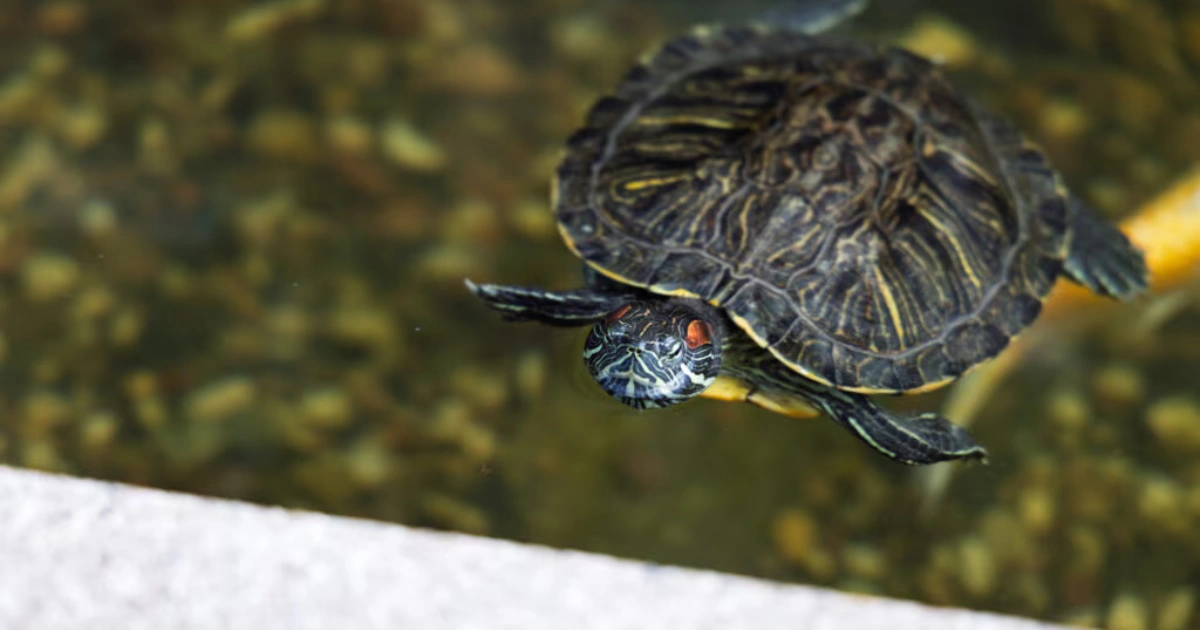
Primary Keyword: North American turtles
North America is home to a remarkable variety of turtles, ranging from small spotted species hidden in wetlands to powerful snapping turtles that have remained largely unchanged for millions of years. Whether you’re a hiker, gardener, wildlife enthusiast, or pond owner, learning to identify North American turtles can make outdoor adventures more rewarding while helping support conservation efforts.
Turtles play important roles in aquatic and terrestrial ecosystems. They help control insect populations, disperse seeds, clean waterways, and contribute to healthy wetland environments. Understanding the unique characteristics of different species can help you recognize them safely and appreciate their ecological importance.
Why Turtle Identification Matters
Many turtle species face increasing threats from:
- Habitat loss
- Road mortality
- Pollution
- Illegal collection
- Invasive species
- Climate change
Accurate identification helps wildlife enthusiasts report sightings, support conservation programs, and avoid disturbing vulnerable populations.
It can also help distinguish harmless species from those that require a little extra caution.
Eastern Box Turtle


The Eastern Box Turtle is one of the most recognizable land turtles in North America.
Key Identification Features
- High-domed shell
- Yellow, orange, or brown markings
- Hinged lower shell
- Ability to close shell completely
Unlike many turtles that spend most of their lives in water, box turtles are primarily terrestrial.
Habitat
They are commonly found in:
- Forest edges
- Meadows
- Woodlands
- Moist fields
Interesting Fact
The hinged plastron allows the turtle to seal itself inside its shell for protection from predators.
Painted Turtle


The Painted Turtle is among the most widespread and colorful North American turtles.
Key Identification Features
- Smooth dark shell
- Red and yellow markings
- Bright coloration along shell edges
- Striped neck and legs
Habitat
Painted turtles are commonly seen in:
- Ponds
- Marshes
- Slow-moving rivers
- Lakes
They frequently bask on logs and rocks during sunny weather.
Snapping Turtle


Few turtles appear as prehistoric as the snapping turtle.
Key Identification Features
- Large head
- Powerful jaws
- Long tail
- Rough shell texture
- Rugged appearance
Important Safety Note
Snapping turtles are generally not aggressive in water, but they may defend themselves vigorously when on land.
If encountered, give them space and avoid handling them.
Ecological Role
These turtles are important scavengers that help maintain healthy aquatic ecosystems.
Red-Eared Slider


Perhaps the most familiar pond turtle, the Red-Eared Slider is known for the distinctive red stripe behind each eye.
Key Identification Features
- Red patch near the ears
- Olive-green shell
- Yellow striping on skin
- Strong swimmer
Habitat
Found in:
- Lakes
- Ponds
- Rivers
- Wetlands
This species has become one of the most widely distributed turtles due in part to the pet trade.
Wood Turtle


The Wood Turtle is admired for its beautiful shell sculpturing and distinctive orange coloration.
Key Identification Features
- Orange or reddish neck and legs
- Sculpted shell pattern
- Medium size
- Terrestrial and aquatic habits
Habitat
Wood turtles often inhabit:
- Forest streams
- River corridors
- Floodplains
- Moist woodland environments
Diamondback Terrapin


The Diamondback Terrapin is unique among North American turtles because it specializes in brackish coastal habitats.
Key Identification Features
- Diamond-shaped shell patterns
- Pale skin with dark spots
- Distinctive shell markings
- Coastal distribution
Habitat
Typically found in:
- Salt marshes
- Estuaries
- Coastal bays
Their adaptation to brackish water sets them apart from most freshwater turtles.
Spotted Turtle


The Spotted Turtle is one of the smallest and most visually striking North American turtles.
Key Identification Features
- Black shell
- Bright yellow spots
- Small size
- Smooth shell surface
Conservation Concerns
Many populations have declined due to habitat destruction and illegal collection.
Observing them in the wild is a special experience that should always be done responsibly.
Map Turtle


Map turtles receive their name from the intricate lines on their shells that resemble contour lines on a map.
Key Identification Features
- Distinct shell ridge
- Complex shell patterns
- Streamlined body
- Excellent swimmers
Habitat
Map turtles prefer:
- Rivers
- Large streams
- Reservoirs
- Waterways with strong currents
Turtle Conservation Challenges
Many North American turtles share common threats.
Road Mortality
Female turtles often cross roads while searching for nesting sites.
Habitat Loss
Wetland drainage and urban development continue reducing available habitat.
Illegal Collection
Some species are targeted for the pet trade.
Climate Change
Changing temperatures may affect nesting success and population dynamics.
Conservation efforts often focus on habitat protection, wetland restoration, and public education.
How to Observe Turtles Responsibly
If you encounter a turtle in the wild:
- Observe from a distance
- Avoid handling whenever possible
- Never remove turtles from natural habitats
- Leave nests undisturbed
- Keep pets away from nesting areas
- Help turtles cross roads only when safe and legal
Respectful observation benefits both wildlife and conservation efforts.
Frequently Asked Questions
What is the most common turtle in North America?
The Red-Eared Slider and Painted Turtle are among the most commonly observed species across many regions.
Are snapping turtles dangerous?
Snapping turtles can deliver powerful bites if threatened. They should be observed from a safe distance and not handled.
Can box turtles close their shells completely?
Yes. Eastern Box Turtles possess a hinged lower shell that allows them to close themselves almost entirely inside.
Which turtle has yellow spots on its shell?
The Spotted Turtle is known for its distinctive yellow spots against a dark shell.
What makes a Diamondback Terrapin unique?
It is one of the few North American turtles specifically adapted to brackish coastal environments.
Internal Linking Suggestions
For SecretsoftheGreenGarden.com, consider linking to:
- Backyard Wildlife You May Encounter Near Ponds
- Creating a Wildlife-Friendly Garden
- Wetland Animals and Their Ecosystems
External Linking Suggestions
For additional information, consider referencing:
- U.S. Fish & Wildlife Service – Native Turtle Resources
- Smithsonian National Zoo & Conservation Biology Institute
- Turtle Survival Alliance
Conclusion
North American turtles represent an extraordinary group of reptiles adapted to forests, wetlands, rivers, ponds, and coastal habitats. From the colorful Painted Turtle to the ancient-looking Snapping Turtle and the beautifully patterned Diamondback Terrapin, each species plays an important ecological role. Learning to identify these turtles not only enriches outdoor experiences but also helps foster appreciation for the conservation of some of North America’s most fascinating wildlife.