
Primary Keyword: heirloom vegetables
Modern grocery stores are filled with uniform produce bred for shipping, shelf life, and appearance. Yet hidden within seed catalogs and garden collections are heirloom vegetables—unique varieties passed down through generations that often offer richer flavors, fascinating histories, and remarkable diversity.
From nearly black tomatoes to rainbow-colored corn, heirloom vegetables preserve agricultural heritage while giving gardeners access to flavors and colors rarely found in commercial produce. Whether you’re a beginner gardener or an experienced grower, these historic varieties can add beauty, flavor, and biodiversity to your garden.
What Are Heirloom Vegetables?
Heirloom vegetables are open-pollinated varieties that have been preserved and passed from gardener to gardener, often for decades or even centuries.
Unlike many modern hybrids, heirloom plants produce seeds that grow true to type. This means gardeners can save seeds from one season and grow the same variety the following year.
Characteristics that make heirloom vegetables special include:
- Distinctive flavors
- Unique colors and shapes
- Historical significance
- Genetic diversity
- Seed-saving potential
- Adaptation to local growing conditions
Many heirloom varieties tell a story about the people, regions, and cultures that cultivated them.
Why Grow Heirloom Vegetables?
Heirlooms offer benefits beyond appearance.
Superior Flavor
Many heirloom vegetables were selected for taste rather than transportation durability. As a result, they often provide richer and more complex flavors than commercial varieties.
Greater Biodiversity
Growing heirloom crops helps preserve valuable plant genetics that might otherwise disappear from cultivation.
Unique Garden Appeal
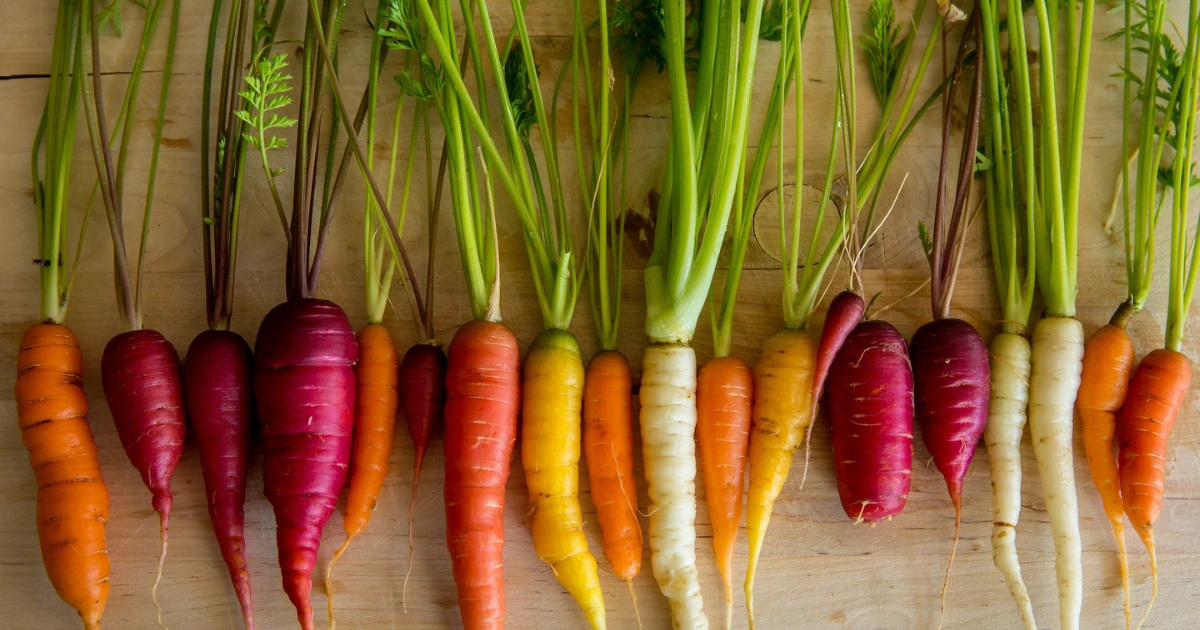
From striped beans to purple carrots, heirlooms create visually stunning gardens that stand out from traditional vegetable plots.
Seed Saving Opportunities
Because heirloom varieties are open-pollinated, gardeners can save seeds and continue growing favorite plants year after year.
Black Krim Tomato


One of the most famous heirloom vegetables, the Black Krim tomato originated near the Crimean Peninsula and has been grown since the 19th century.
Its deep reddish-purple skin and dark shoulders make it instantly recognizable.
Why Gardeners Love It
- Rich, smoky flavor
- Excellent for fresh eating
- Large beefsteak fruits
- Performs well in warm climates
Many tomato enthusiasts consider Black Krim among the best-tasting tomatoes available.
Dragon Tongue Bean


Originally developed in the Netherlands, Dragon Tongue beans feature creamy yellow pods streaked with dramatic purple markings.
The plants are productive and relatively easy to grow.
Key Features
- Tender, stringless pods
- Sweet flavor
- Attractive appearance
- Suitable for fresh eating or cooking
The purple markings often fade during cooking, but the flavor remains excellent.
Chioggia Beet
Named after the Italian coastal town of Chioggia, this heirloom beet is famous for its striking concentric pink-and-white rings.
Benefits
- Mild earthy flavor
- Lower bitterness than some beets
- Beautiful sliced presentation
- Attractive addition to salads
Its candy-striped appearance makes it a favorite among gardeners and chefs alike.
Purple Dragon Carrot


The Purple Dragon carrot combines deep purple skin with a bright orange interior.
Its coloration comes from anthocyanins, natural pigments also found in blueberries and red cabbage.
Why It Stands Out
- Sweet flavor
- Crisp texture
- High visual appeal
- Excellent for fresh eating
These carrots add striking color to vegetable gardens and dinner plates alike.
Mortgage Lifter Tomato
The Mortgage Lifter tomato has one of the most fascinating stories in gardening history.
Developed in the United States during the 1930s, the variety reportedly helped its creator earn enough money through seed sales to pay off his mortgage.
Characteristics
- Very large fruits
- Meaty texture
- Sweet flavor
- Excellent slicing tomato
Many fruits exceed one pound under favorable growing conditions.
Glass Gem Corn


Perhaps the most visually spectacular heirloom vegetable, Glass Gem corn produces kernels that resemble polished gemstones.
The ears display stunning combinations of:
- Blue
- Purple
- Pink
- Green
- Yellow
- Orange
Although often grown for decoration, Glass Gem corn can also be used for flour, popcorn, and ornamental displays.
The Importance of Preserving Heirloom Seeds
Agricultural diversity has declined significantly over the past century as commercial farming increasingly relies on a smaller number of crop varieties.
Growing heirloom vegetables helps preserve:
- Historic plant genetics
- Regional food traditions
- Climate adaptability
- Pollinator diversity
- Future breeding resources
Many heirloom varieties carry traits that may become increasingly important as environmental conditions change.
Tips for Growing Heirloom Vegetables
Success with heirlooms often follows the same principles as growing modern vegetables.
Start With Quality Seeds
Purchase seeds from reputable suppliers specializing in heirloom varieties.
Provide Healthy Soil
Most heirlooms thrive in soil enriched with compost and organic matter.
Save Seeds Carefully
If you wish to preserve varieties, avoid cross-pollination between related crops when possible.
Grow Multiple Varieties
Planting several heirloom vegetables increases biodiversity and extends harvest opportunities.
Frequently Asked Questions
What is considered an heirloom vegetable?
Most heirloom vegetables are open-pollinated varieties that have been preserved and passed down for at least several decades, often much longer.
Are heirloom vegetables better tasting?
Many gardeners and chefs believe heirloom varieties offer superior flavor because they were often selected for taste rather than shipping durability.
Can you save seeds from heirloom vegetables?
Yes. Most heirloom vegetables produce seeds that can be saved and replanted while maintaining the same characteristics.
Are heirloom vegetables harder to grow?
Not necessarily. Some heirlooms are extremely vigorous and productive, while others may require conditions similar to modern varieties.
Why are heirloom vegetables important?
They preserve genetic diversity, agricultural history, and unique traits that might otherwise disappear from cultivation.
Internal Linking Suggestions
For SecretsoftheGreenGarden.com, consider linking to:
- How to Save Vegetable Seeds Successfully
- Best Organic Soil Amendments for Vegetable Gardens
- Beginner’s Guide to Growing Tomatoes
External Linking Suggestions
For additional information about heirloom gardening, consider referencing:
- USDA National Agricultural Library
- Cornell University Cooperative Extension
- Seed Savers Exchange Educational Resources
Conclusion
Heirloom vegetables offer far more than unusual appearances. They preserve centuries of agricultural history, provide exceptional flavors, and help maintain valuable genetic diversity for future generations. Whether you choose the smoky richness of Black Krim tomatoes, the candy-striped beauty of Chioggia beets, or the dazzling colors of Glass Gem corn, heirloom varieties bring character, history, and discovery to every garden. Growing even a few heirloom vegetables each season is a simple way to enjoy unique harvests while helping preserve living pieces of our agricultural heritage.