
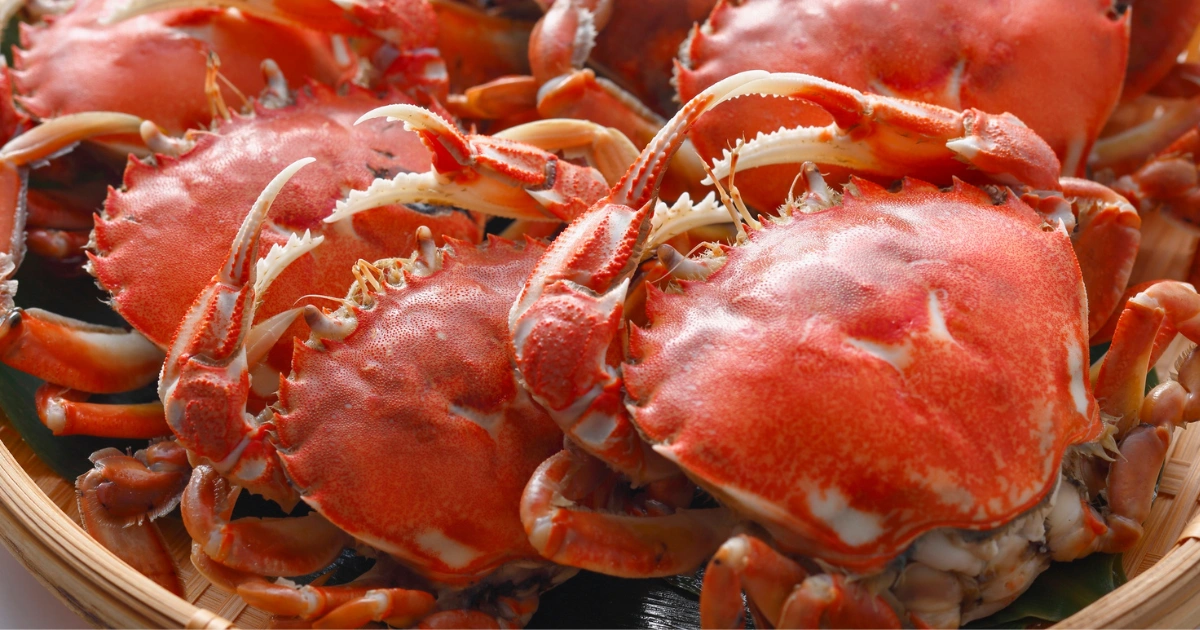
Crabs are fascinating creatures, and their unique sideways walking motion has significant implications not just in biology, but also in culinary practices. Understanding the science behind their lateral movement and anatomy helps chefs optimize preparation methods and enhances flavor and texture in cooked crabs.
The Science Behind Sideways Walking
Crabs walk sideways due to the anatomical arrangement of their legs. Unlike most animals whose limbs are positioned for forward locomotion, a crab’s legs are attached on the sides of its body. This lateral placement enables quick side-to-side movement, which is both energy-efficient and advantageous for navigating narrow crevices in their natural habitats.
The leg joints, known as human-limera-lack joints, are specifically designed to facilitate this lateral motion. Each joint allows a rotation that aligns with the crab’s body orientation, making forward movement difficult but sideways movement extremely efficient. This evolutionary adaptation has helped crabs survive for over 200 million years, offering both protection and mobility in their environments.

Crustacean Ancestry and Evolution
Crabs belong to the order Decapoda and share a common ancestry with lobsters and shrimp. Fossil records indicate that the evolutionary timeline for these crustaceans dates back over 200 million years. The sideways walking pattern evolved alongside other body adaptations, allowing crabs to exploit niches that required speed, agility, and access to hidden food sources.
Cooking Implications of Crab Anatomy
Chefs often overlook the importance of understanding crab anatomy when preparing meals. The lateral alignment of their legs affects how meat is distributed in the body and how it can be efficiently extracted. Following these guidelines can help optimize cooking outcomes:
1. Focus on Leg Meat
Crab legs contain clusters of tender meat that are ideal for steaming or boiling. Proper extraction requires understanding the leg joints and angles. Applying gentle pressure at the joints allows the meat to be removed without shredding or losing moisture.
2. Efficient Body Chamber Extraction
The central body cavity contains dense clusters of meat. Experienced chefs use careful picking techniques to maximize yield. Knowledge of the crab’s internal structure reduces waste and ensures even cooking.
3. Controlled Body Cavity Steam
Steaming crabs evenly requires attention to the body cavity. Steam must circulate effectively to ensure all sections reach the optimal temperature. Proper steam distribution preserves the natural juices, enhancing flavor.
Environmental Considerations
Crabs are integral to their ecosystems. Riverine crabs, in particular, contribute to sediment turnover and nutrient cycling. Sustainable harvesting and ethical sourcing are essential to maintaining healthy populations. Always purchase crabs from reputable suppliers who follow conservation guidelines.
Tips for Cooking Crabs Perfectly
- Use High-Quality Steamers: Ensure even heat distribution.
- Time Cooking Accurately: Overcooking can dry out meat, while undercooking poses health risks.
- Pre-Cleaning: Remove the gills and digestive organs before cooking to enhance flavor and presentation.
- Temperature Control: Maintain consistent steam or boiling temperature to preserve texture.
Frequently Asked Questions
Q1: Why do crabs only walk sideways?
A1: Crabs’ legs are positioned laterally, allowing efficient side-to-side movement. Forward movement is anatomically difficult.
Q2: Which part of a crab has the most meat?
A2: The legs and central body cavity contain the highest concentration of tender, edible meat.
Q3: How long should crabs be steamed?
A3: Medium-sized crabs generally require 12–15 minutes of steam. Adjust time based on size and quantity.
Q4: Can I cook crabs directly from freshwater tanks?
A4: Only if they are cleaned and from a reputable source. Freshwater crabs may carry bacteria or parasites if not handled properly.
Q5: What is the best way to preserve crab meat after cooking?
A5: Store in airtight containers in the refrigerator for up to 3 days or freeze for longer shelf life.