
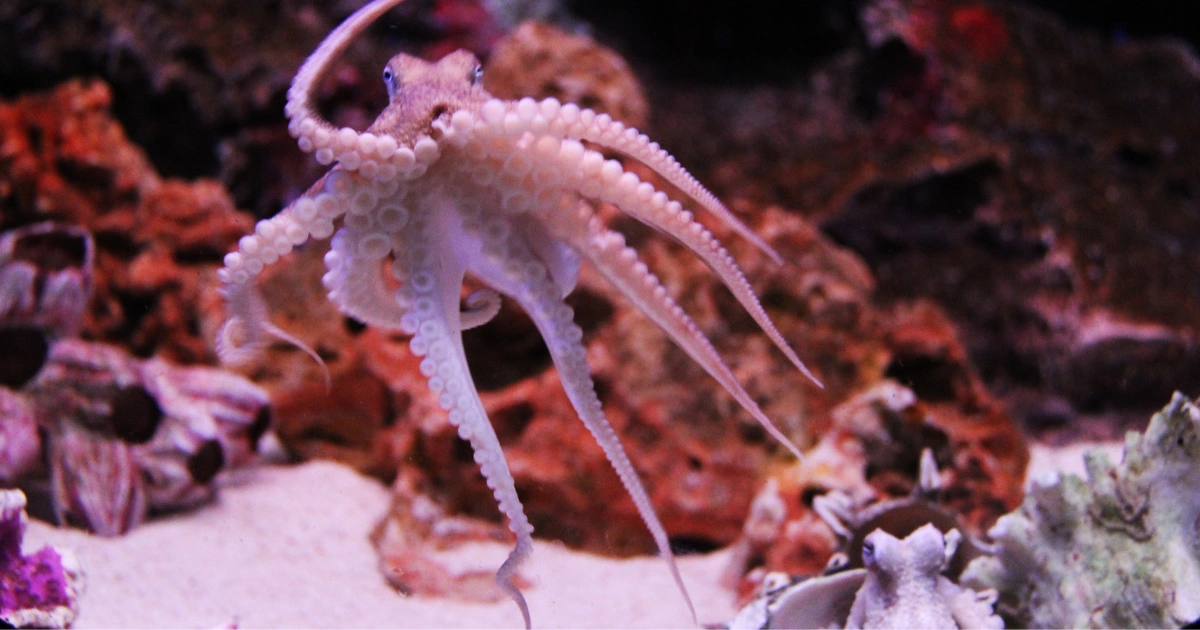
The octopus is one of the most fascinating and enigmatic creatures in the ocean. With its unique physiology and remarkable intelligence, this cephalopod defies the norms of animal biology. Unlike most species, an octopus has three hearts, nine brains, and blue blood, making it a marvel of evolution. Understanding these extraordinary traits sheds light on how octopuses survive, adapt, and display behaviors that rival those of vertebrates.
The Anatomy of an Octopus
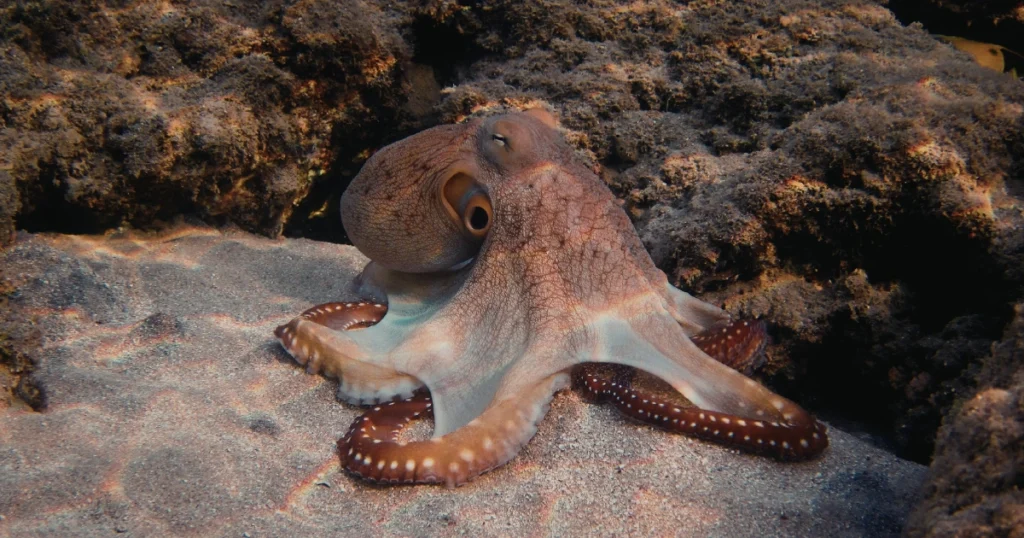
Octopuses belong to the class Cephalopoda, which also includes squids, cuttlefish, and nautiluses. Among their many distinguishing features, their circulatory and nervous systems are particularly unique.
Three Hearts
Octopuses have three separate hearts. Two of these hearts, known as branchial hearts, pump blood to the gills for oxygenation. The third heart, the systemic heart, circulates oxygenated blood to the rest of the body. Interestingly, the systemic heart temporarily stops beating when the octopus swims, which is why these creatures prefer crawling to conserve energy.
Nine Brains
Octopuses also possess nine brains: one central brain and eight smaller ganglia located in each arm. The central brain controls general bodily functions, while the arm ganglia manage movement and reflexes independently. This allows octopuses to multitask with incredible precision—for example, opening a jar with one arm while exploring their environment with others.
Blue Blood
Unlike humans, octopuses have copper-based hemocyanin instead of iron-based hemoglobin, giving their blood a blue color. This adaptation is highly efficient for transporting oxygen in cold, low-oxygen environments, helping the octopus thrive in deep-sea habitats.
Extraordinary Intelligence
Octopuses are considered among the most intelligent invertebrates. Their distributed nervous system enables problem-solving, memory retention, and sophisticated behaviors:
- Tool Use: Octopuses have been observed collecting coconut shells and assembling them as shelters.
- Camouflage: They can instantly change the color and texture of their skin to blend into their surroundings, thanks to specialized cells called chromatophores.
- Escape Artists: Their flexible bodies and high intelligence allow octopuses to escape enclosures, demonstrating spatial awareness and memory.
Reproduction and Lifespan
Octopuses have a relatively short lifespan, typically ranging from 1 to 5 years depending on the species. After mating, females lay thousands of eggs and guard them without eating, showing a high degree of parental investment. The combination of intelligence and biological complexity is crucial for their survival, as they must avoid predators and hunt efficiently.
Fascinating Facts
- Independent Arm Movement: Each arm can operate independently, performing complex tasks without central brain input.
- Regeneration: If an arm is lost, octopuses can regenerate it fully, maintaining functionality.
- Memory Skills: Studies show octopuses can navigate mazes and remember solutions for months.
- Communication: They use color changes and body postures to signal other octopuses during social interactions or threats.
Why Octopuses Are Evolutionary Marvels
The combination of three hearts, nine brains, and a distributed nervous system is a rare evolutionary adaptation that allows octopuses to survive in diverse and often harsh marine environments. Their unique physiology is a testament to nature’s creativity and problem-solving.
Related Research
- The Journal of Experimental Biology explains the role of arm ganglia in motor control and learning (link).
- National Geographic explores octopus intelligence and behavioral adaptations (link).
Internal Reading Suggestions
- “The Secret Life of Sea Creatures: Unveiling Cephalopod Intelligence”
- “Marine Biology Insights: Adaptations That Defy Evolutionary Norms”
- “Deep Sea Wonders: Unique Physiology of Ocean Predators”
FAQs About Octopuses
Q1: How do octopuses breathe?
A: They use gills located in each arm branch, with branchial hearts pumping blood to the gills for oxygenation.
Q2: Can octopuses recognize humans?
A: Yes, studies show they can differentiate between humans who feed them and strangers.
Q3: Why is their blood blue?
A: Octopuses have copper-based hemocyanin, which efficiently transports oxygen in cold or low-oxygen environments.
Q4: How smart are octopuses compared to other animals?
A: Octopuses display problem-solving skills, memory retention, and tool use, rivaling some mammals in intelligence.
Q5: Do all octopuses have three hearts?
A: Yes, all octopus species have three hearts, though their size and efficiency vary.
Conclusion
Octopuses are a fascinating example of evolutionary ingenuity. Their three hearts, nine brains, and remarkable intelligence make them unique among marine creatures. From their ability to camouflage to their problem-solving skills, octopuses continue to captivate scientists and ocean enthusiasts alike. Understanding these creatures not only enriches our knowledge of marine biology but also inspires curiosity about the incredible adaptations life can evolve.