
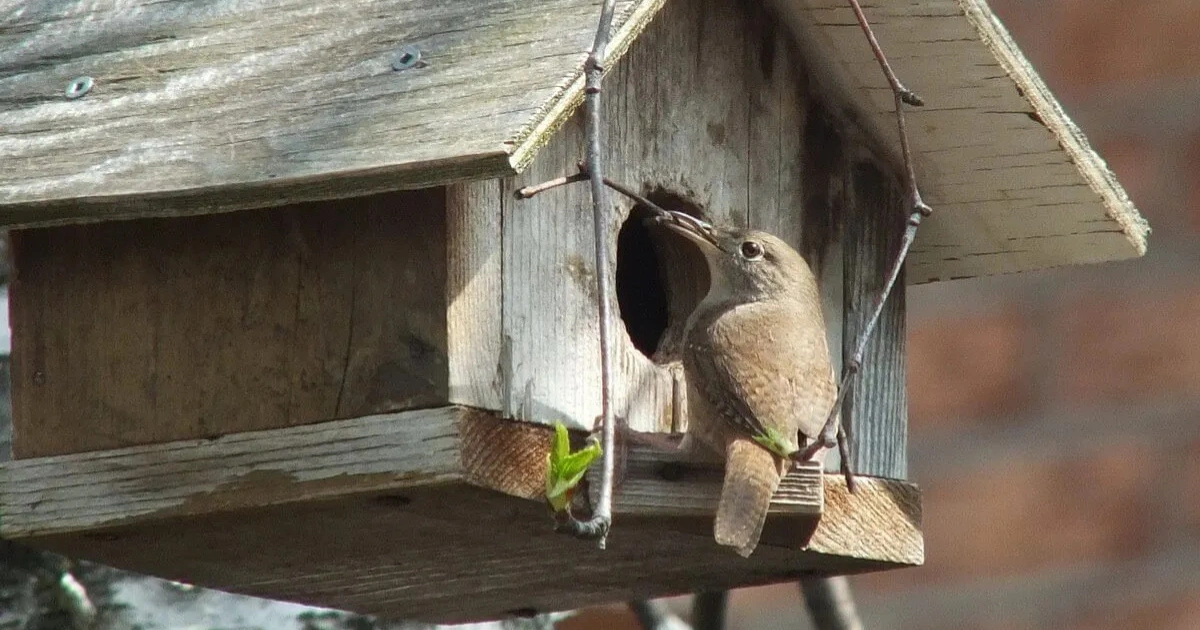
Wrens are among the most resourceful and adaptable backyard birds in North America. Despite the growing popularity of decorative birdhouses and commercial nesting boxes, many wrens still choose natural nesting materials and sheltered stick structures over expensive manufactured options.
Their nesting behavior reflects millions of years of evolutionary adaptation focused on protection, camouflage, and survival rather than appearance. Understanding why wrens prefer certain nesting environments can help gardeners and bird enthusiasts create safer, more attractive habitats for these energetic songbirds.
Understanding Wren Nesting Behavior
Wrens are small cavity-nesting birds known for their loud songs, curious personalities, and remarkable nest-building skills. Species such as the Carolina wren and house wren frequently search for secure, hidden locations to raise their young.
Unlike some birds that rely heavily on open nests, wrens prefer enclosed or partially concealed nesting sites that provide protection from predators and weather conditions.
Common nesting locations include:
- Wood piles
- Fence posts
- Tree cavities
- Dense shrubs
- Abandoned containers
- Natural crevices
This flexibility helps wrens thrive in both rural and suburban environments.
Why Wrens Often Prefer Natural Stick Structures
Natural Camouflage Improves Safety
One major reason wrens choose stick nests is camouflage. A loose arrangement of branches and natural debris blends easily into outdoor surroundings, making the nest less visible to predators.
Natural materials help conceal:
- Nest entrances
- Eggs
- Nestlings
- Adult movement
Predators such as snakes, raccoons, squirrels, and larger birds often rely on visual detection while searching for nests. A rough, irregular stick structure can be harder to identify than a clean wooden nesting box.
Protection From Weather
Crossed sticks and dense twig arrangements create small sheltered spaces that protect nests from:
- Heavy rain
- Wind
- Intense sunlight
- Temperature fluctuations
Wrens frequently build nests in semi-covered areas where natural materials act as insulation while still allowing airflow.
This balance helps maintain stable nesting conditions for eggs and chicks.
The Importance of Hidden Nest Entrances
Wrens Prefer Concealed Spaces
Wrens instinctively seek nesting sites with narrow, hidden entrances. Small openings reduce predator access while creating a stronger sense of security.
Natural stick piles often provide:
- Tight entrance points
- Multiple escape routes
- Better concealment
- Reduced visibility from above
Commercial birdhouses sometimes fail because they are placed too openly or designed without considering natural wren behavior.
Loud Calls Can Reveal Occupied Nests
Wren chicks are surprisingly vocal. Once young birds hatch, their begging calls can attract predators if nests are poorly hidden.
Well-camouflaged nesting structures help offset this risk by concealing movement and reducing visibility around the nest area.
Why Expensive Birdhouses Sometimes Stay Empty
Appearance Does Not Matter to Birds
Humans often choose birdhouses based on decorative appeal, but birds prioritize safety and practicality instead.
A costly nesting box may remain unused if it lacks:
- Proper placement
- Predator protection
- Suitable entrance size
- Natural concealment
- Nearby food sources
Wrens typically care more about nesting conditions than aesthetics.
Placement Is More Important Than Price
Even simple natural structures can outperform expensive birdhouses when located in ideal environments.
Wrens prefer nesting areas that provide:
- Nearby insects for feeding
- Dense vegetation
- Quiet surroundings
- Easy escape routes
- Minimal disturbance
Birdhouses installed in exposed or heavily trafficked areas may be ignored regardless of design quality.
How Wrens Build Their Nests
Materials Used by Wrens
Wrens gather a wide variety of natural materials during nest construction, including:
- Twigs
- Grass
- Moss
- Feathers
- Bark strips
- Pine needles
Male wrens often begin multiple partial nests before females choose a final nesting site.
Nest Construction Process
The nesting process generally follows several stages:
- Site selection
- Stick foundation building
- Soft interior lining
- Egg laying
- Incubation
- Chick rearing
This careful construction creates a secure environment that protects fragile eggs and growing chicks.
Benefits of Encouraging Wrens in the Garden
Wrens provide several ecological benefits for backyard ecosystems.
Natural Insect Control
Wrens feed heavily on insects such as:
- Beetles
- Caterpillars
- Grasshoppers
- Spiders
- Mosquitoes
A healthy wren population can help reduce garden pest numbers naturally.
Increased Biodiversity
Bird-friendly gardens support healthier ecosystems by encouraging pollination, seed dispersal, and natural food chains.
Providing safe nesting habitats helps maintain local wildlife diversity.
How to Create a Wren-Friendly Habitat
Use Natural Materials
Instead of removing every fallen branch or twig pile, consider leaving small natural brush areas in quiet corners of the garden.
Safe natural nesting opportunities may include:
- Small stick teepees
- Brush piles
- Hollow logs
- Old fence posts
- Native shrubs
Position Birdhouses Carefully
If using birdhouses for wrens:
- Place them in sheltered areas
- Avoid direct afternoon sun
- Keep them away from busy walkways
- Install predator guards when possible
- Use appropriately sized entrance holes
Natural surroundings often matter more than decorative design.
Common Mistakes When Attracting Wrens
Over-Cleaning the Garden
Highly manicured landscapes may lack the natural cover wrens need for nesting and protection.
Placing Nesting Boxes Too Openly
Birdhouses placed in exposed locations can feel unsafe to wrens.
Removing All Natural Debris
Small brush piles and sticks can provide excellent shelter opportunities.
Excessive Human Disturbance
Frequent activity near nesting areas may discourage birds from settling.
Fascinating Facts About Wrens
- Wrens are known for songs that sound much louder than their body size suggests.
- Male wrens sometimes build several “dummy nests” before mating.
- Wrens can adapt to both forests and urban gardens.
- Some wren species sleep together in groups during cold weather.
- Their curved beaks help them search for insects in tight crevices.
Frequently Asked Questions
Why do wrens prefer sticks over birdhouses?
Wrens often prefer natural stick structures because they provide camouflage, predator protection, and sheltered nesting spaces.
Will wrens use birdhouses?
Yes, wrens frequently use birdhouses if the placement, entrance size, and surrounding habitat meet their nesting preferences.
What materials do wrens use for nests?
Wrens commonly use sticks, moss, grass, feathers, bark, and pine needles.
Are wrens good for gardens?
Wrens help control insect populations and contribute to a balanced backyard ecosystem.
When do wrens build nests?
Most wrens begin nesting during spring and early summer, although timing varies by region and species.
Internal Linking Suggestions
For stronger topical relevance on secretsofthegreengarden.com, consider linking to:
- “How to Create a Bird-Friendly Backyard”
- “Best Native Plants for Wildlife Gardens”
- “Natural Ways to Support Backyard Biodiversity”
External Linking Suggestions
For authoritative birding and wildlife references, consider linking to:
- Cornell Lab of Ornithology – House Wren Guide
- National Audubon Society – Carolina Wren Facts
- Smithsonian Migratory Bird Center – Bird Habitat Tips
Conclusion
Wrens demonstrate that effective nesting design is about survival, not cost. Simple piles of sticks, hidden cavities, and naturally sheltered spaces often provide better protection than expensive decorative birdhouses.
By understanding natural wren behavior and creating safe, wildlife-friendly habitats, gardeners can encourage these energetic songbirds to thrive while also supporting healthier backyard ecosystems.
95bi2a
Backbiome is an advanced daily wellness supplement formulated to help support spinal comfort, reduce feelings of built-up tension, and promote freer, smoother movement throughout backbiome everyday life.
Boostaro is a modern men’s wellness boostaro formula created to support daily vitality, stamina, and confidence through a practical, natural routine.