
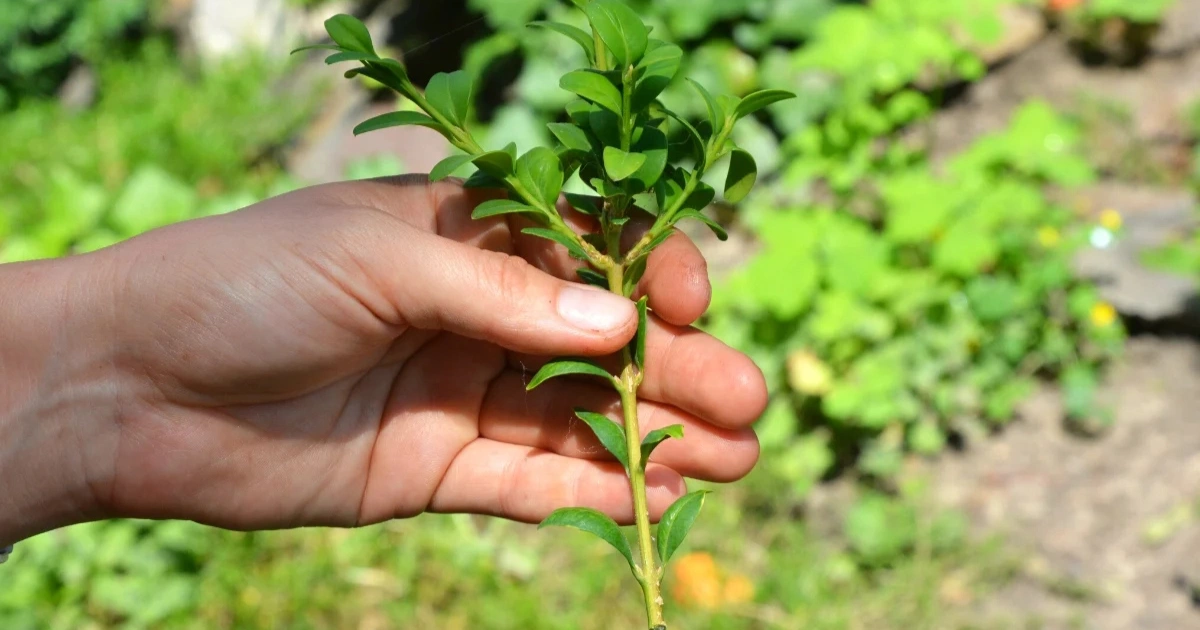
Propagating evergreen shrubs from cuttings is one of the simplest and most affordable ways to grow new plants at home. Many popular evergreen species, including arborvitae, cypress, juniper, and certain conifers, can develop roots from healthy stem cuttings when given the right conditions.
This propagation method allows gardeners to clone healthy parent plants, preserve desirable traits, and expand landscapes without purchasing additional shrubs. With patience, proper moisture, and the right environment, even beginners can achieve successful rooting.
Why Propagating Plants From Cuttings Works
Plant cuttings work because many shrubs have the natural ability to produce adventitious roots from stem tissue. When the cutting is placed in moist growing media, cells near the cut area begin forming root structures that eventually support a completely independent plant.
Successful propagation depends on several factors:
- Healthy parent plant selection
- Proper cutting preparation
- Consistent humidity
- Adequate moisture
- Bright indirect light
- Patience during root development
Evergreen shrubs often root more slowly than soft herbaceous plants, but they can still propagate very reliably under stable conditions.
Step 1: Select a Healthy Cutting
Choosing the Right Stem
The first step in evergreen propagation is selecting a healthy, non-flowering stem from a mature plant. Semi-hardwood stems are usually ideal because they are flexible enough to root but mature enough to resist rotting.
Look for stems that are:
- Green and healthy
- Free of disease
- Not flowering or producing cones
- Around 4 to 8 inches long
- Firm but not overly woody
Morning is often the best time to take cuttings because plants are fully hydrated.
Best Plants for Cutting Propagation
Many evergreen shrubs respond well to propagation, including:
- Arborvitae
- Juniper
- Cypress
- Boxwood
- Yew
- Rosemary
- Lavender cypress varieties
Different species root at different speeds, so patience is important.
Step 2: Prepare the Cutting Properly
Remove Lower Foliage
After cutting the stem, remove the lower leaves or needles from the bottom 1 to 3 inches of the stem. This exposed section is where roots will develop.
Removing lower foliage helps:
- Prevent rot in moist soil
- Improve airflow
- Direct energy toward root formation
- Create clean stem contact with growing media
Avoid stripping too much foliage from the upper section, since leaves are still needed for photosynthesis.
Make Clean Cuts
Use sterilized pruning shears or scissors to avoid introducing disease. A clean angled cut increases the surface area available for rooting.
Some gardeners lightly wound the lower bark section to encourage root growth in harder woody species.
Step 3: Apply Rooting Hormone
Is Rooting Hormone Necessary?
Rooting hormone is optional, but it can significantly improve success rates for woody evergreen cuttings. These products contain plant growth regulators that stimulate root formation.
Rooting hormone may help:
- Speed up rooting
- Increase root density
- Reduce cutting failure
- Improve propagation consistency
Dip the lower end of the stem lightly into rooting powder or gel before planting.
Natural Alternatives
Some gardeners use natural alternatives such as:
- Willow water
- Aloe vera gel
- Honey mixtures
While results vary, commercial rooting hormone generally produces more reliable outcomes for woody shrubs.
Step 4: Plant the Cutting in Well-Draining Soil
Choosing the Right Potting Mix
Evergreen cuttings need excellent drainage to prevent fungal problems and stem rot. A lightweight propagation mix works best.
Good propagation media may include:
- Perlite
- Coco coir
- Sand
- Peat moss
- Fine bark mix
Avoid dense garden soil, which can hold too much water around developing roots.
Planting Depth
Insert the prepared stem deep enough to keep it stable while ensuring the stripped section remains below the soil surface.
Gently firm the soil around the cutting to eliminate air pockets without compacting the mix excessively.
Step 5: Maintain Humidity and Moisture
Why Humidity Is Important
Cuttings lose moisture quickly because they lack roots. High humidity helps reduce water loss while the plant develops a new root system.
Many gardeners create a humid environment using:
- Clear plastic covers
- Humidity domes
- Plastic bags
- Mini greenhouses
Proper airflow remains important to prevent mold growth.
Watering Tips
The growing medium should stay lightly moist but never soggy. Excessive watering is one of the most common causes of propagation failure.
For best results:
- Mist lightly when needed
- Avoid standing water
- Check soil moisture regularly
- Ensure containers drain freely
Bright indirect sunlight supports healthy development without overheating the cutting.
Step 6: Wait for Root Development
How Long Rooting Takes
Evergreen shrubs root slowly compared to many houseplants. Depending on species and conditions, rooting may take several weeks or even several months.
Signs of successful rooting include:
- New leaf growth
- Resistance when gently tugged
- Stronger stem appearance
- Increased foliage density
Do not transplant too early, as fragile roots can easily break.
Transplanting New Plants
Once a healthy root system forms, gradually acclimate the plant to lower humidity and brighter conditions.
Young shrubs can then be transplanted into:
- Larger nursery pots
- Raised beds
- Garden borders
- Landscape containers
Slow hardening-off helps reduce transplant shock.
Common Mistakes When Propagating Evergreen Cuttings
Overwatering
Too much moisture often causes fungal problems and stem decay before roots can form.
Using Weak or Diseased Stems
Only vigorous parent plants should be used for propagation.
Too Much Direct Sunlight
Direct sun can dry cuttings rapidly before roots establish.
Poor Air Circulation
High humidity without airflow increases mold risk.
Impatience
Many evergreen species simply require more time than gardeners expect.
Best Conditions for Evergreen Propagation
For the highest success rate, maintain:
- Temperatures between 65–75°F (18–24°C)
- Bright indirect light
- Moderate humidity
- Consistent moisture
- Good air circulation
Rooting mats may help accelerate growth in cooler climates.
Fascinating Facts About Plant Propagation
- Many commercial nurseries propagate shrubs entirely from cuttings.
- Cloned plants retain the same characteristics as the parent plant.
- Some conifers can take several months to root fully.
- Humidity is often more important than fertilizer during early rooting.
- Softwood cuttings generally root faster than hardwood cuttings.
Frequently Asked Questions
Can evergreen shrubs grow from cuttings?
Yes, many evergreen shrubs root successfully from stem cuttings when provided with proper moisture, humidity, and lighting conditions.
How long do evergreen cuttings take to root?
Rooting time varies by species but often ranges from several weeks to several months.
Do I need rooting hormone?
Rooting hormone is optional but can improve rooting success and speed, especially for woody plants.
What is the best soil for plant cuttings?
A light, well-draining mix containing perlite, sand, peat moss, or coco coir works best.
Should cuttings be kept in direct sunlight?
No. Bright indirect light is ideal because strong direct sun can dry out cuttings too quickly.
Internal Linking Suggestions
For stronger topical relevance on secretsofthegreengarden.com, consider internally linking to:
- “Easy Plants to Propagate at Home”
- “Best Soil Mixes for Container Gardening”
- “Common Plant Propagation Mistakes to Avoid”
External Linking Suggestions
For reliable horticultural reference material, consider linking to:
- University of Maryland Extension – Plant Propagation Basics
- Royal Horticultural Society – Propagating Shrubs From Cuttings
- University of California Agriculture and Natural Resources – Propagation Techniques
Conclusion
Propagating evergreen shrubs from cuttings is a rewarding gardening technique that allows growers to multiply healthy plants with minimal cost. By selecting strong stems, maintaining proper humidity, and using a well-draining rooting medium, gardeners can successfully grow entirely new shrubs from a single parent plant.
Although evergreen propagation often requires patience, the process offers an excellent way to expand landscapes, preserve favorite varieties, and develop stronger gardening skills over time.
Backbiome is an advanced daily wellness supplement formulated to help support spinal comfort, reduce feelings of built-up tension, and promote freer, smoother movement throughout backbiome everyday life.
Boostaro is a modern men’s wellness boostaro formula created to support daily vitality, stamina, and confidence through a practical, natural routine.