
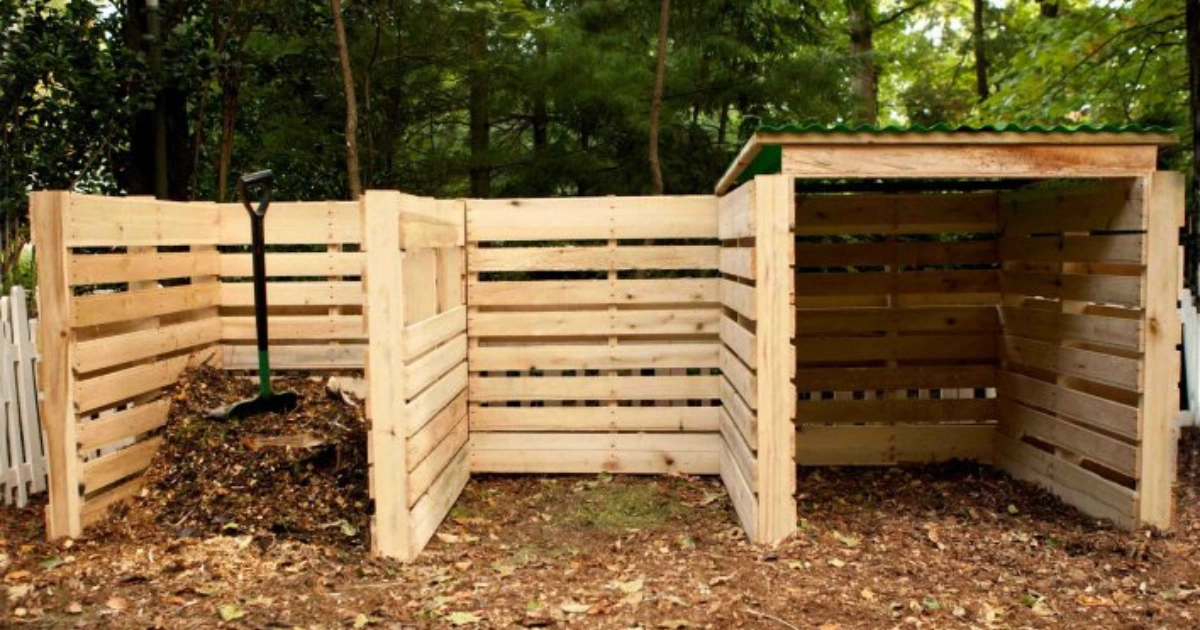
Composting is one of the simplest and most effective ways to improve garden soil naturally while reducing household waste. A DIY pallet compost bin offers an affordable, eco-friendly solution for turning kitchen scraps and yard waste into nutrient-rich compost that helps plants thrive.
Wooden pallets are widely available, easy to assemble, and ideal for creating sturdy compost systems. Whether you have a large backyard or a small gardening space, a pallet compost bin can help you recycle organic material efficiently while supporting sustainable gardening practices.
In this guide, you will learn how to build a simple pallet compost bin step by step, what materials work best for composting, and how to maintain a healthy compost pile for faster decomposition.
Why Composting Is Important for Gardens
Composting transforms organic waste into valuable soil amendments filled with nutrients and beneficial microorganisms.
Benefits of Composting
Healthy compost helps:
- Improve soil structure
- Retain moisture
- Support beneficial microbes
- Reduce landfill waste
- Feed plants naturally
- Improve drainage
- Reduce the need for chemical fertilizers
Gardeners often call compost “black gold” because of its long-term benefits for plant health.
Why Pallets Make Excellent Compost Bins
Wooden pallets are durable, inexpensive, and naturally ventilated.
Advantages of Pallet Compost Bins
Pallet bins provide:
- Good airflow for decomposition
- Easy access for turning compost
- Expandable size options
- Recycled material reuse
- Low construction costs
The open slat design allows oxygen to circulate, which helps compost break down more efficiently.
Materials Needed to Build a Pallet Compost Bin
Most pallet compost bins require only a few basic tools and materials.
Basic Supplies
You will need:
- 3 or 4 wooden pallets
- Screws or nails
- Wire or zip ties
- Drill or hammer
- Gardening gloves
Optional additions include:
- Hinges for a front gate
- Landscape fabric
- Wooden stakes for extra stability
Choosing Safe Pallets for Gardening
Not all pallets are suitable for composting or food gardening.
How to Identify Safe Pallets
Look for pallets marked with:
- “HT” for heat-treated wood
Avoid pallets labeled:
- “MB” because they may contain chemical treatments
Also avoid pallets that:
- Smell strongly of chemicals
- Show oil stains
- Appear heavily damaged
Choosing untreated or heat-treated pallets is safest for organic gardening projects.
Step 1: Collect and Prepare Your Materials
Start by selecting a flat, well-drained location for your compost bin.
Best Compost Bin Location
Choose an area that:
- Receives partial sunlight
- Has good drainage
- Is easily accessible year-round
- Allows airflow around the pile
Keeping the compost bin directly on soil helps beneficial organisms enter the pile naturally.
Step 2: Stand the First Sides Upright
Position two pallets upright to form the back and one side of the compost bin.
Building the Basic Structure
You can:
- Use screws for strong stability
- Secure corners with wire
- Reinforce with zip ties if needed
Many gardeners leave the front partially open for easier access.
Optional Front Gate Design
Adding a removable front panel allows:
- Easier turning
- Simpler compost removal
- Better pile management
This feature becomes especially useful as the compost pile grows larger.
Step 3: Fasten the Corners Securely
Once the pallets are positioned, secure all corners carefully.
Tips for a Strong Structure
- Ensure pallets stand evenly
- Tighten all fasteners properly
- Reinforce loose joints
- Test stability before filling
A sturdy frame helps the bin withstand moisture, weight, and seasonal weather changes.
Step 4: Start Composting Correctly
The success of composting depends largely on balancing materials properly.
Understanding Greens and Browns
A healthy compost pile needs a mix of:
Green Materials (Nitrogen-Rich)
Examples include:
- Vegetable scraps
- Fruit peels
- Coffee grounds
- Fresh grass clippings
Brown Materials (Carbon-Rich)
Examples include:
- Dry leaves
- Cardboard
- Straw
- Small branches
Balancing greens and browns helps microbes break down material efficiently.
How to Layer Compost Properly
Layering improves airflow and decomposition speed.
Recommended Compost Layering Method
Start with:
- Coarse materials at the bottom
- Alternating green and brown layers
- Occasional thin soil layers
Moisture should feel similar to a wrung-out sponge — damp but not soaked.
Why Turning Compost Matters
Oxygen is essential for healthy compost decomposition.
Benefits of Turning the Compost
Regular turning helps:
- Speed decomposition
- Prevent foul odors
- Reduce compacted areas
- Improve airflow
- Distribute moisture evenly
Most compost piles benefit from turning every one to two weeks.
What You Should Not Compost
Certain materials can attract pests or create unhealthy compost conditions.
Avoid Adding
- Meat scraps
- Dairy products
- Oily foods
- Pet waste
- Diseased plants
- Chemically treated wood
Keeping inappropriate materials out of the pile improves compost quality and safety.
How Long Compost Takes to Break Down
Composting speed depends on temperature, moisture, airflow, and material balance.
Average Composting Timeline
Under good conditions:
- Fast composting: 2–4 months
- Standard composting: 6–12 months
Turning regularly and maintaining proper moisture significantly accelerates decomposition.
Signs Your Compost Is Healthy
Healthy compost should gradually become dark, crumbly, and earthy-smelling.
Good Compost Characteristics
Finished compost usually appears:
- Dark brown or black
- Loose and crumbly
- Rich-smelling like forest soil
You should no longer recognize most original food scraps.
Common Composting Problems
Bad Odors
Strong smells often indicate:
- Too much moisture
- Lack of oxygen
- Excess food waste
Adding dry brown material usually helps.
Compost Not Breaking Down
Slow decomposition may result from:
- Dry conditions
- Insufficient nitrogen
- Poor airflow
Turning and adjusting materials can reactivate the pile.
Pests
Avoid exposed food scraps to reduce visits from rodents or insects.
Environmental Benefits of Composting
Composting reduces organic waste entering landfills.
Why Composting Helps the Environment
Composting can:
- Reduce methane emissions
- Lower household waste
- Support healthier soils
- Improve water retention in gardens
Sustainable gardening practices benefit both home landscapes and broader ecosystems.
FAQ
How many pallets are needed for a compost bin?
Most simple compost bins use 3 or 4 pallets depending on whether a front panel is included.
What is the best material balance for compost?
A healthy compost pile typically combines nitrogen-rich greens with carbon-rich browns.
How often should compost be turned?
Turning every one to two weeks usually improves airflow and speeds decomposition.
Can compost bins attract pests?
Yes, especially if meat, dairy, or oily foods are added. Proper compost management helps reduce pest problems.
How do I know compost is ready to use?
Finished compost becomes dark, crumbly, and smells earthy rather than rotten.
Final Thoughts
Building a DIY pallet compost bin is one of the easiest and most rewarding garden projects for sustainable living. With a few recycled pallets and simple tools, you can create a durable composting system that transforms kitchen scraps and yard waste into nutrient-rich compost.
This low-cost project supports healthier plants, improves soil naturally, and reduces household waste at the same time. Whether you are a beginner gardener or an experienced grower, composting is one of the best long-term investments you can make for your garden.
With proper layering, moisture control, and regular turning, your pallet compost bin can provide rich organic compost season after season.
Suggested Internal Links for secretsofthegreengarden.com
- Best Natural Fertilizers for Vegetable Gardens
- Easy Raised Garden Bed Ideas for Beginners
- How to Improve Garden Soil Naturally