
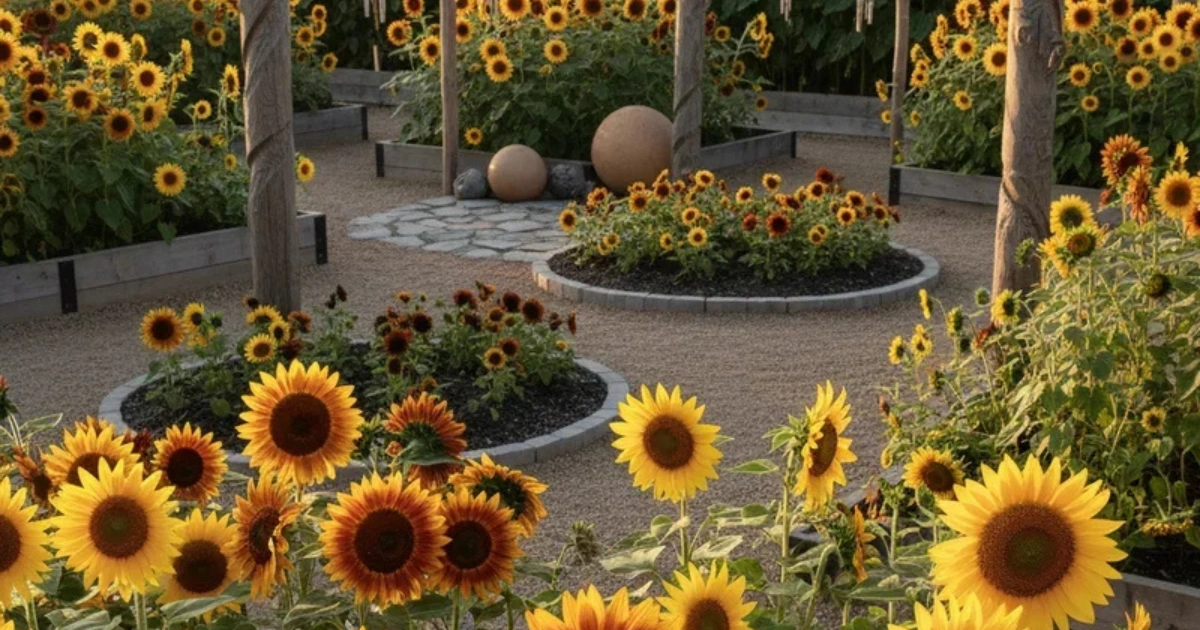
Creating a private, natural retreat in your garden is easier than you might think. A sunflower hideaway offers a simple yet beautiful way to transform an ordinary outdoor space into a peaceful, living structure. With the right planning and care, you can grow a circular wall of tall sunflowers that forms a cozy sitting area, perfect for relaxing, reading, or enjoying nature.
This guide explains how to build your own sunflower hideaway step by step, including practical tips to ensure healthy growth and long-lasting results.
What Is a Sunflower Hideaway?
A sunflower hideaway is a circular planting design where tall sunflower varieties are grown closely together to form a natural enclosure. By leaving a small opening, you create an entrance into a shaded, enclosed space surrounded by vibrant blooms.
This idea combines gardening with outdoor design, offering both visual appeal and functional use.
Benefits of a Sunflower Hideaway
Growing a sunflower hideaway provides more than just beauty. It also offers several practical advantages:
- Creates a natural privacy screen without artificial materials
- Attracts pollinators such as bees and butterflies
- Adds vertical interest to your garden layout
- Provides a shaded relaxation spot during warm months
- Encourages outdoor time and nature connection
Sunflowers are also relatively easy to grow, making this project suitable for beginners.
Choosing the Right Sunflower Varieties
Not all sunflowers are ideal for building a hideaway. To create strong “walls,” select tall and sturdy varieties.
Look for:
- Giant sunflowers that grow 6 to 12 feet tall
- Thick stems that can support large flower heads
- Fast-growing types for quicker results
Popular choices include Mammoth, Russian Giant, and American Giant varieties.
Step-by-Step Guide to Building a Sunflower Hideaway
1. Select the Location
Choose a sunny area in your yard that receives at least 6 to 8 hours of direct sunlight daily. Sunflowers thrive in full sun and will not grow well in shaded spots.
Ensure the soil drains well and is not overly compacted.
2. Plan the Circle Layout
Mark a circular shape on the ground using string or a garden hose.
Recommended dimensions:
- Diameter: 6 to 8 feet
- Entrance gap: 2 to 3 feet wide
This size provides enough space for seating while keeping the structure compact.
3. Prepare the Soil
Loosen the soil around the circle and mix in compost or organic matter to improve fertility.
Healthy soil promotes stronger stems and larger blooms.
4. Plant the Seeds
Sow sunflower seeds directly into the soil after the last frost.
Spacing guidelines:
- Place seeds 8 to 10 inches apart
- Plant about 1 inch deep
Keep the entrance area clear of seeds to form your doorway.
5. Add Support Structures
As the plants grow taller, they may need support to stay upright, especially in windy conditions.
Use:
- Garden stakes placed evenly around the circle
- Twine or string to connect stakes and guide growth
This helps maintain the circular shape and prevents plants from falling over.
6. Protect Young Plants
Seedlings are vulnerable to pests such as rabbits and birds.
To protect them:
- Install lightweight mesh fencing around the circle
- Remove protection once plants are strong and established
7. Water and Maintain
Water regularly, especially during dry periods. Sunflowers prefer consistent moisture but should not sit in waterlogged soil.
Maintenance tips:
- Remove weeds to reduce competition
- Check supports and adjust as plants grow
- Monitor for pests or diseases
How Long Does It Take to Grow?
Sunflowers grow quickly compared to many garden plants.
Typical timeline:
- Germination: 7 to 10 days
- Early growth: 2 to 3 weeks
- Full height and blooming: around 8 to 10 weeks
By mid-season, your sunflower hideaway will begin to take shape, with tall stems forming natural walls.
Designing the Interior Space
Once your sunflower walls are established, you can personalize the interior.
Ideas include:
- Placing two chairs for a quiet sitting area
- Adding a small table for drinks or books
- Laying down mulch or stepping stones for a clean floor
This transforms your garden feature into a usable outdoor retreat.
Common Mistakes to Avoid
To ensure success, avoid these frequent issues:
- Planting too close together, which restricts airflow
- Choosing short sunflower varieties that cannot form walls
- Forgetting to leave an entrance gap
- Skipping support, leading to collapsed plants
- Underwatering during early growth stages
Paying attention to these details makes a noticeable difference in the final result.
Seasonal Care and Replanting
Sunflowers are annual plants, meaning they complete their life cycle in one season.
At the end of the season:
- Allow some flower heads to dry and collect seeds
- Remove dead plants and compost them
- Prepare the soil for next year’s planting
Replanting each year allows you to refine your design and improve results.
Environmental Benefits of Growing Sunflowers
Sunflowers contribute positively to your garden ecosystem.
They help:
- Support pollinators essential for plant reproduction
- Improve soil structure with deep root systems
- Provide seeds that can feed birds
For more information on pollinators and their importance, you can visit the
https://www.usda.gov/pollinators (USDA Pollinator Resources).
Internal Linking Suggestions
To enhance your website’s structure and SEO, consider linking this article to related content such as:
- “Easy Backyard Garden Ideas for Small Spaces”
- “How to Attract Pollinators Naturally”
- “Beginner’s Guide to Growing Flowers from Seed”
These topics align closely with sunflower gardening and outdoor design.
FAQ: Sunflower Hideaway
How many sunflower seeds do I need for a circle?
For a 6 to 8 foot diameter circle, you will typically need 20 to 30 seeds, depending on spacing.
Can I grow a sunflower hideaway in a small yard?
Yes, you can reduce the circle size to fit your space. Even a 4 to 5 foot diameter can work for a compact version.
Do sunflowers need a lot of water?
They need regular watering, especially during early growth, but they do not tolerate waterlogged soil.
Will the structure last all summer?
Yes, once established, sunflowers remain strong and upright throughout the growing season until late summer or early fall.
Can I reuse the same spot every year?
Yes, but it is recommended to enrich the soil with compost each season to maintain fertility.
Final Thoughts
A sunflower hideaway is a creative and rewarding garden project that combines beauty, function, and simplicity. With just a few materials and consistent care, you can create a living space that evolves throughout the season.
Whether you are looking to enhance your backyard or try a new gardening idea, this project offers a practical way to enjoy nature right at home.