
The Zamioculcas zamiifolia, commonly known as the ZZ plant, is one of the most resilient and low-maintenance houseplants. Its glossy green leaves and ability to tolerate neglect make it a favorite for indoor spaces. However, many plant owners wonder why their ZZ plant never flowers.
The truth is that ZZ plant blooming is rare, especially indoors. Still, understanding the conditions that influence flowering can help you improve your plant’s overall health and possibly encourage blooms.
Primary Keyword: ZZ plant blooming
Related keywords: Zamioculcas zamiifolia care, ZZ plant flowers, indoor plant care tips, low light houseplants, ZZ plant soil drainage, fertilizing ZZ plant, houseplant growth conditions, tropical indoor plants
Do ZZ Plants Bloom Indoors?
ZZ plants are capable of producing flowers, but it is uncommon in indoor environments. When they do bloom, the flowers are small, subtle, and often hidden near the base of the plant.
Unlike ornamental flowering plants, the ZZ plant is primarily grown for its foliage rather than its blooms.
1. Insufficient Lighting Conditions
Light plays a key role in plant growth and flowering.
Why It Matters
ZZ plants tolerate low light, but they do not thrive in it. Flowering requires more energy, which comes from adequate light exposure.
Solution
- Place your plant in bright, indirect light
- Avoid direct sunlight, which can scorch leaves
- Rotate the plant regularly for even growth
Improving light conditions can significantly enhance plant vitality.
2. Blooming Is Naturally Rare
Even under ideal conditions, ZZ plant blooming is infrequent.
Important Insight
In their natural habitat, ZZ plants bloom under specific environmental triggers that are difficult to replicate indoors.
What This Means
- Lack of flowers does not indicate poor health
- Focus on foliage quality as the main indicator of success
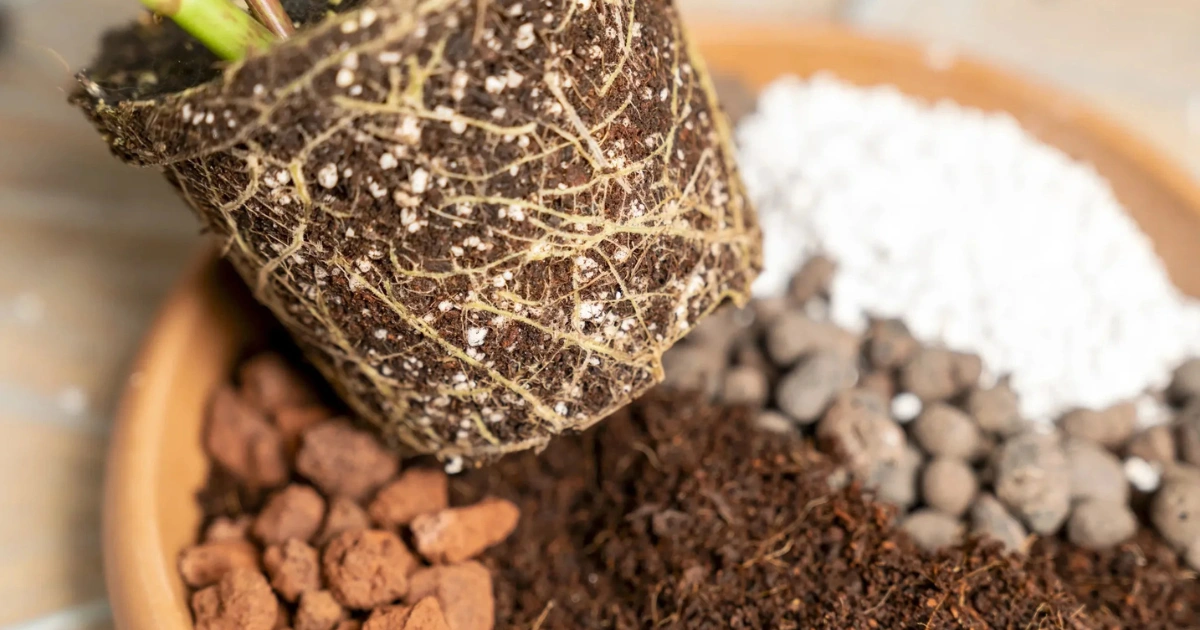
3. Poor Soil Drainage
Soil quality directly affects root health, which in turn influences overall growth.
Common Issue
Heavy or compacted soil can retain excess moisture, leading to root problems.
Solution
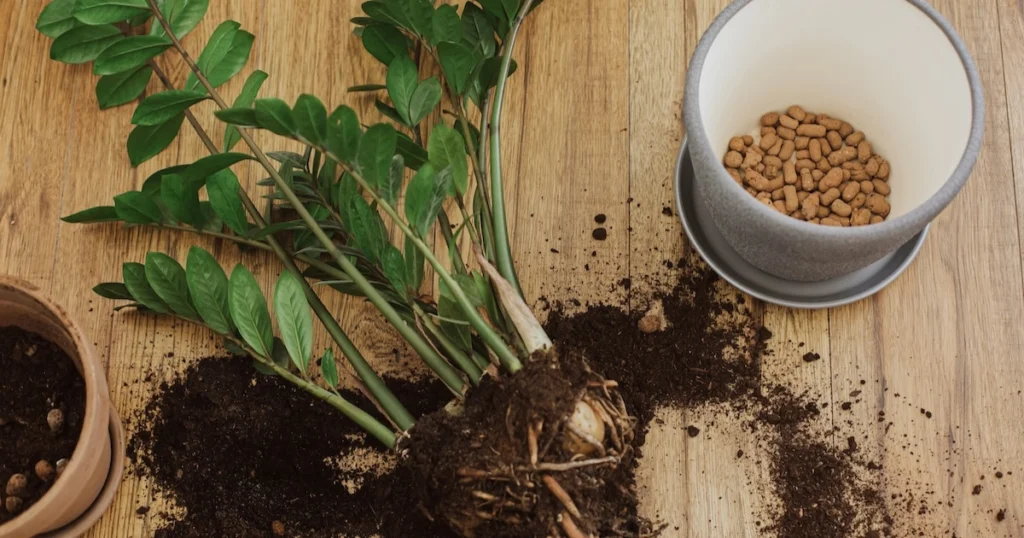
- Use a well-draining potting mix
- Add perlite or sand to improve aeration
- Ensure the pot has drainage holes
Healthy roots are essential for any chance of flowering.
4. Lack of Proper Fertilization
Nutrients are necessary for growth and reproduction.
Signs of Nutrient Deficiency
- Slow growth
- Pale or dull leaves
- Lack of new shoots
Solution
- Apply a balanced liquid fertilizer every 4–6 weeks during the growing season
- Avoid over-fertilizing, which can damage roots
Providing the right nutrients supports overall plant development.
5. Environmental Stability
ZZ plants prefer stable conditions.
Factors to Consider
- Temperature: Keep between 18–26°C
- Humidity: Moderate levels are sufficient
- Avoid frequent relocation
Sudden changes can stress the plant and reduce its ability to bloom.
How to Encourage ZZ Plant Blooming
While flowering cannot be guaranteed, you can optimize conditions.
Key Tips
- Provide bright, indirect light consistently
- Maintain well-draining soil
- Fertilize moderately during active growth
- Avoid overwatering
These steps improve plant health and increase the likelihood of blooms.
Common Care Mistakes to Avoid
- Overwatering, leading to root rot
- Keeping the plant in deep shade
- Using heavy, poorly draining soil
- Ignoring nutrient needs
Avoiding these mistakes ensures a healthier plant.
Scientific Perspective on Indoor Plant Growth
Research from institutions like the Royal Horticultural Society and University of Florida IFAS Extension emphasizes that flowering in indoor plants depends on light intensity, nutrient availability, and environmental consistency.
For further reading, visit:
These sources provide reliable, research-based plant care guidance.
Internal Linking Suggestions
To improve SEO and engagement on secretsofthegreengarden.com, consider linking to:
- “Best Low Light Indoor Plants for Beginners”
- “How to Care for Indoor Plants Naturally”
- “Top Tips for Healthy Houseplants Year-Round”
FAQ About ZZ Plant Blooming
How often do ZZ plants bloom?
ZZ plants rarely bloom indoors and may never produce flowers in typical home conditions.
What do ZZ plant flowers look like?
They are small, spathe-like structures near the base, often unnoticed.
Can I force my ZZ plant to bloom?
No, but improving light, soil, and care conditions can increase the chances.
Is my ZZ plant unhealthy if it doesn’t bloom?
Not at all. Healthy foliage is the main indicator of a thriving ZZ plant.
Does fertilizer help with blooming?
Proper fertilization supports growth, but it does not guarantee flowering.
Final Thoughts
ZZ plant blooming is a rare and often unpredictable event, especially indoors. Instead of focusing solely on flowers, prioritize creating optimal growing conditions that support strong, vibrant foliage.
With the right care—adequate light, proper soil, and balanced nutrition—your Zamioculcas zamiifolia can thrive beautifully, even without blooming.