
Observing birds in your garden is one of the most rewarding ways to connect with nature. Beyond their songs and colors, birds reveal fascinating behaviors through their nesting habits. Each species builds a nest suited to its environment, offering valuable clues for identification.
In this guide, you will learn how to recognize common garden birds and their nests, understand their nesting styles, and discover how to support them in your outdoor space.
Primary Keyword: garden birds and their nests
Related keywords: bird nest identification, common garden birds, bird nesting habits, backyard birds, nest types birds, bird eggs identification, wildlife gardening, attracting birds garden
Why Bird Nests Matter in Your Garden
Bird nests are more than simple shelters. They are carefully constructed environments designed to protect eggs and chicks from predators and weather.
Understanding nesting habits helps you:
- Identify bird species more accurately
- Protect nesting sites during breeding season
- Create a bird-friendly garden environment
Types of Bird Nests You’ll Commonly See
Different birds build nests in specific styles depending on their needs.
Cup Nests
The most common type, shaped like a small bowl.
- Made from grass, moss, and twigs
- Often lined with feathers or hair
- Found in shrubs, trees, or hedges
Dome Nests
Fully or partially covered nests.
- Provide extra protection from predators
- Often hidden close to the ground
- Built with dense vegetation
Cavity Nests
Built inside holes in trees or structures.
- Offer excellent shelter
- Common among smaller birds
- Require minimal external materials
Common Garden Birds and Their Nesting Styles
Robin
Robins build neat cup-shaped nests, often hidden in dense vegetation or unusual locations like sheds or pots.
- Nest type: Cup
- Typical size: Small and compact
- Eggs: Pale blue
Blackbird
Blackbirds create larger, sturdy cup nests reinforced with mud.
- Nest type: Cup
- Diameter: Around 15 cm
- Eggs: Speckled
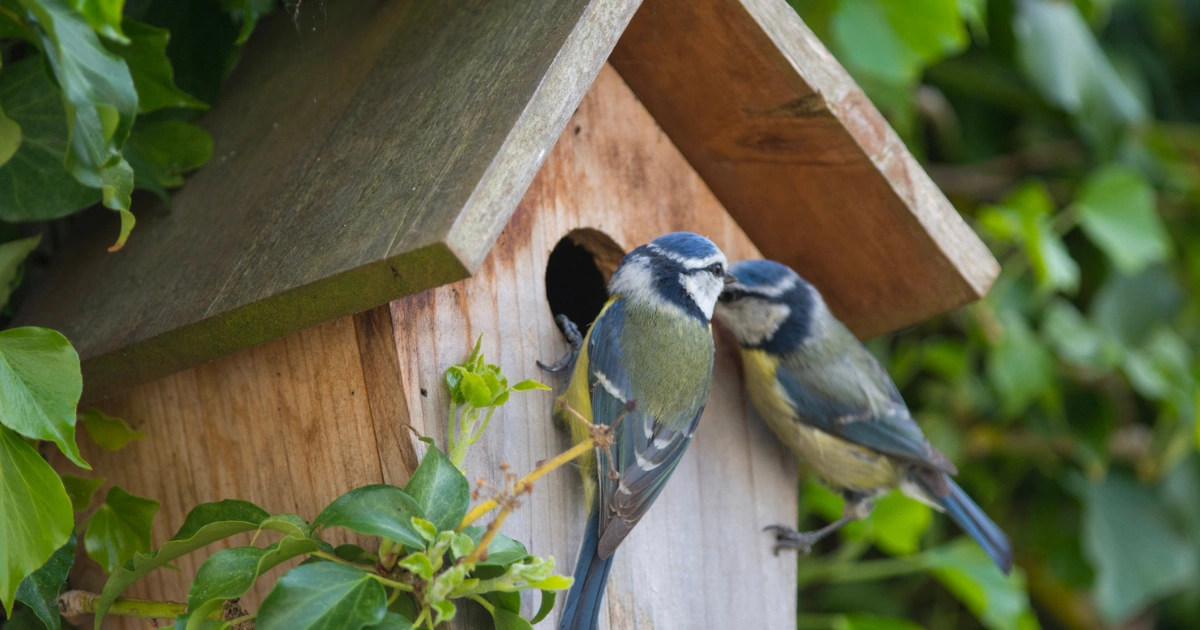
Blue Tit
Blue tits prefer enclosed spaces, often using cavities or nest boxes.
- Nest type: Dome or cavity
- Diameter: Small, around 8 cm
- Eggs: White with red speckles
Great Tit
Similar to blue tits but slightly larger, great tits also favor cavities.
- Nest type: Cup inside cavity
- Diameter: About 10 cm
- Eggs: Spotted
Chaffinch
Chaffinches build beautifully camouflaged cup nests.
- Nest type: Cup
- Diameter: Around 9 cm
- Eggs: Light with markings
Song Thrush
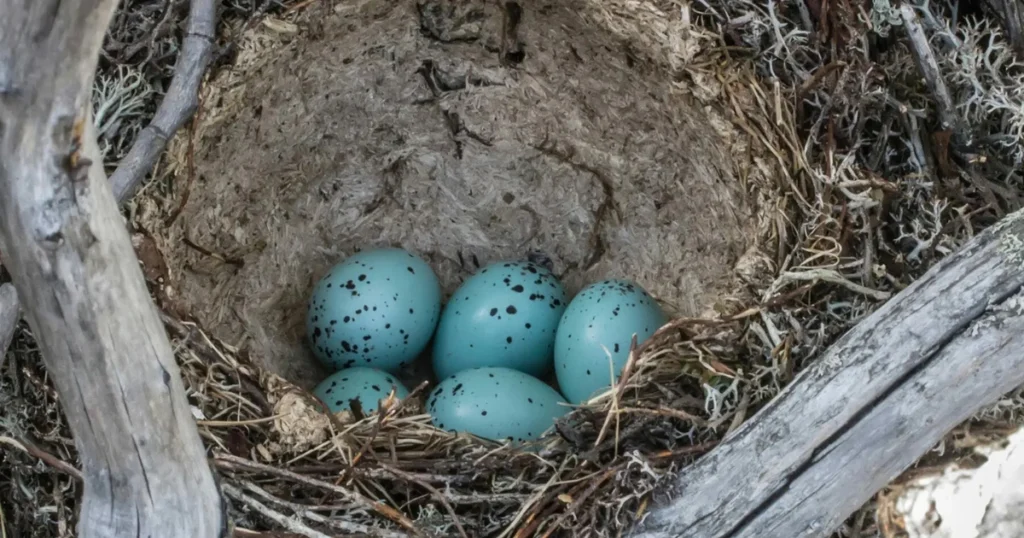
Known for their distinctive blue eggs, song thrushes create mud-lined nests.
- Nest type: Cup
- Diameter: Around 12 cm
- Eggs: Bright blue
Wren
Wrens often build dome-shaped nests close to the ground.
- Nest type: Dome
- Diameter: Small
- Eggs: Tiny and pale
Dunnock
Dunnocks build simple cup nests in low shrubs.
- Nest type: Cup
- Diameter: Around 8 cm
- Eggs: Blue
How to Identify Bird Nests in Your Garden
If you find a nest, observe carefully without disturbing it.
Key Identification Clues
- Shape: Cup, dome, or cavity
- Size: Small or large structure
- Location: Ground, shrub, tree, or building
- Materials: Mud, moss, twigs, or feathers
- Egg color: Often species-specific
Avoid touching nests, as this can stress birds or lead to abandonment.
How to Make Your Garden Bird-Friendly
Supporting nesting birds benefits both wildlife and your garden ecosystem.
Practical Tips
- Plant native shrubs and trees for shelter
- Install nest boxes suited to local species
- Avoid pesticides that reduce food sources
- Provide fresh water for drinking and bathing
Birds help control pests naturally, making them valuable allies in gardening.
Scientific Insights on Bird Nesting Behavior
Research from organizations like the Royal Society for the Protection of Birds (RSPB) and the Cornell Lab of Ornithology highlights how nesting success depends on habitat quality, food availability, and environmental stability.
You can explore more through trusted sources:
These institutions provide reliable, research-based information on bird ecology.
Internal Linking Suggestions
To improve SEO and user engagement on secretsofthegreengarden.com, consider linking to:
- “How to Attract Birds to Your Garden Naturally”
- “Best Plants to Create a Wildlife-Friendly Garden”
- “Natural Pest Control Using Birds and Beneficial Animals”
FAQ About Garden Birds and Their Nests
Can I move a bird’s nest in my garden?
No, moving nests can harm birds and is often illegal in many regions.
Why are bird eggs different colors?
Egg colors help with camouflage and species recognition.
When is nesting season?
Most garden birds nest during spring and early summer.
How can I tell if a nest is active?
Look for adult birds frequently visiting or sitting on the nest.
Do birds reuse old nests?
Some species do, but many build new nests each season.
Final Thoughts
Learning about garden birds and their nests opens a new dimension of appreciation for the natural world. Each nest tells a story of survival, adaptation, and care.
By understanding these nesting habits and creating a supportive environment, you can turn your garden into a thriving sanctuary for birds while enjoying the beauty and balance they bring to your outdoor space.