
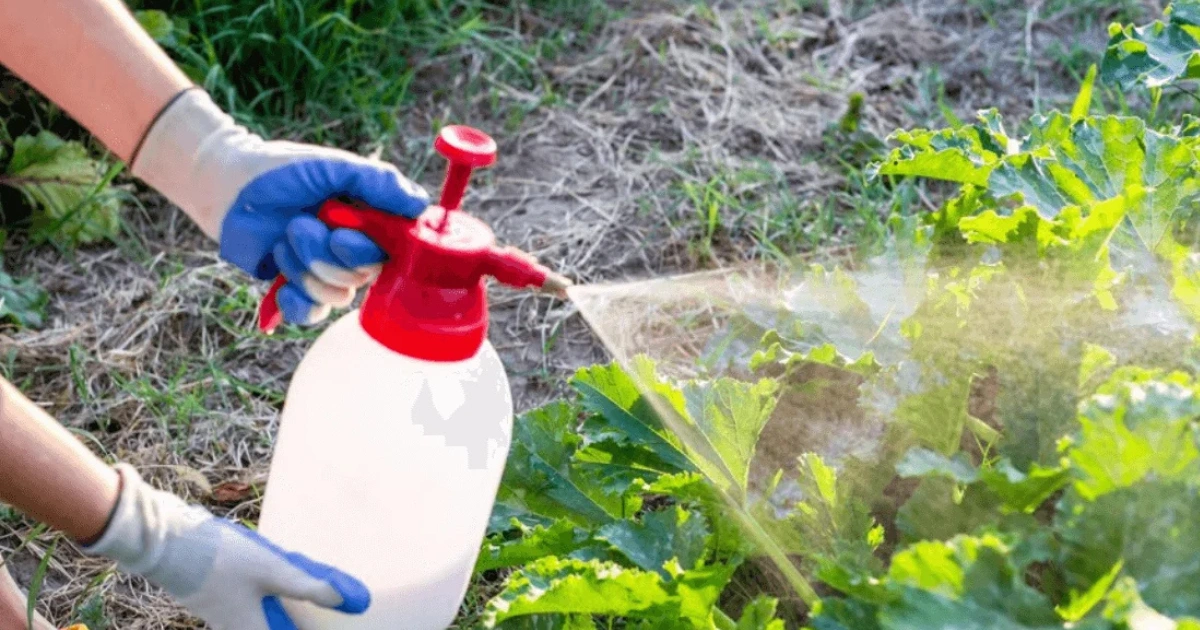
Using chemical pesticides has long been a common solution for dealing with garden pests. However, pesticides can harm beneficial insects, pollinators, soil health, and even human health. A more sustainable approach is to work with nature rather than against it. Encouraging beneficial wildlife in your garden can help keep pest populations under control naturally and effectively.
Natural pest control relies on animals that feed on insects and other garden pests. Birds, bats, amphibians, and beneficial insects all play important roles in maintaining ecological balance. By creating the right habitat, gardeners can attract these helpful species and reduce the need for chemical treatments.
Primary Keyword
natural pest control
Why Natural Pest Control Works
In a balanced ecosystem, predators keep pest populations from growing too large. Many animals naturally feed on insects that damage plants. When these predators are present, they reduce pests without harming the environment.
Natural pest control offers several benefits:
- protects pollinators such as bees and butterflies
- improves soil health
- reduces exposure to toxic chemicals
- supports biodiversity in the garden
- lowers long-term pest management costs
According to research from the United States Environmental Protection Agency, integrated pest management strategies that include biological control can significantly reduce pesticide use.
https://www.epa.gov
Chickadees: Small Birds That Eat Hundreds of Insects
Chickadees are among the most helpful insect-eating birds in many gardens and forests. These small birds feed heavily on caterpillars, beetles, and other insects that damage plants.
How chickadees help control pests
A single chickadee may consume around 500 insects per day, especially during the breeding season when they must feed their chicks.
Common prey includes:
- caterpillars
- beetles
- insect larvae
- aphids
- spiders
How to attract chickadees
You can encourage chickadees to visit your garden by providing:
- birdhouses or nesting boxes
- native trees and shrubs
- a reliable water source
Native plants are particularly valuable because they host the insects chickadees rely on for food.
Bats: Nighttime Mosquito Hunters
Bats are extremely efficient insect predators. Although sometimes misunderstood, they are one of the most effective natural pest controllers.
Pest control benefits of bats
Many bat species can eat up to 1,000 mosquitoes per night along with moths and other flying insects.
This makes them valuable for controlling pests that are active after dark.
How to encourage bats in your garden
To attract bats, consider adding:
- bat houses mounted on poles or buildings
- ponds or small water sources
- night-blooming plants that attract insects
The U.S. Fish and Wildlife Service provides detailed guidance on bat conservation and habitat creation.
https://www.fws.gov
Toads: Ground-Level Pest Controllers
Toads are excellent hunters that patrol the ground at night. They consume many of the pests that damage vegetable gardens and ornamental plants.
What toads eat
Toads commonly feed on:
- slugs
- beetles
- worms
- ants
- various garden insects
A single toad may consume around 100 insects per night, making them a valuable ally for gardeners.
How to attract toads
Toads prefer cool, moist hiding places. You can support them by providing:
- leaf piles or mulch areas
- small shaded shelters
- shallow water sources
Avoid using chemical pesticides, as these substances can harm amphibians.
Ladybugs: Natural Aphid Control
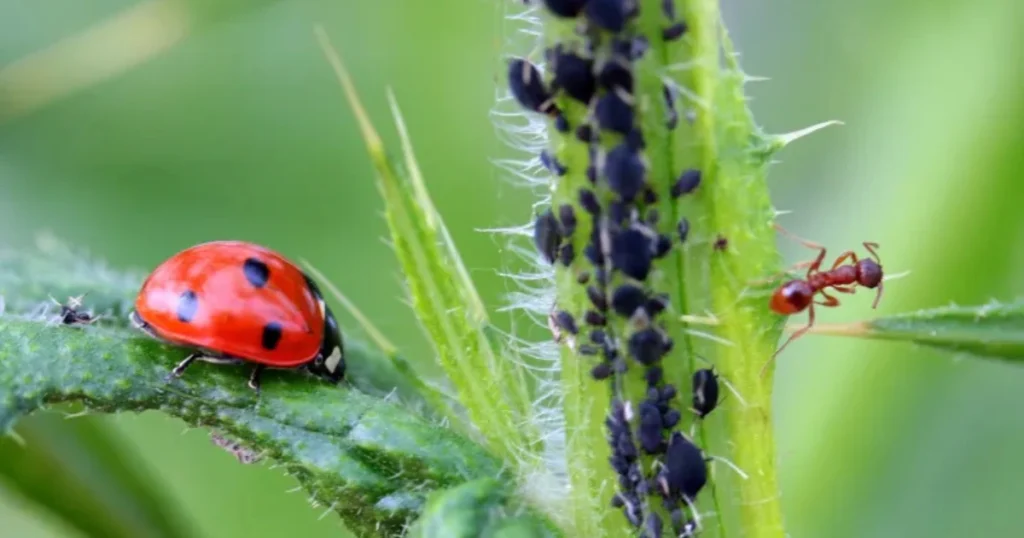
Ladybugs, also called lady beetles, are well known for their appetite for aphids and other plant-damaging insects.
How ladybugs protect plants
A single ladybug can eat about 50 aphids per day. Over time, a small population of ladybugs can significantly reduce aphid infestations.
They also feed on:
- scale insects
- mites
- insect eggs
How to attract ladybugs
To support ladybug populations in your garden, plant:
- flowering herbs such as dill and fennel
- native flowering plants
- nectar-producing plants
These plants provide food sources and shelter for beneficial insects.
The Impact of Beneficial Wildlife
When multiple predator species are present, their combined impact on pests can be substantial.
For example, encouraging a small population of beneficial animals can remove thousands of pests each month:
- one chickadee may consume about 15,000 insects per month
- one bat may eat 30,000 mosquitoes per month
- one toad may consume 3,000 insects per month
- one ladybug may eliminate 1,500 aphids per month
A diverse ecosystem creates a natural balance where pests rarely reach damaging levels.
Creating a Wildlife-Friendly Garden
Encouraging beneficial wildlife requires designing a garden that provides food, water, shelter, and nesting spaces.
Key strategies for attracting beneficial species
- plant native plants that support local insects and birds
- add birdhouses and bat houses
- create small water sources such as birdbaths or ponds
- leave leaf litter or natural hiding spots
- avoid pesticides and herbicides
The National Wildlife Federation recommends creating wildlife-friendly habitats to promote biodiversity and ecological balance.
https://www.nwf.org
Internal Linking Suggestions
To strengthen related content on secretsofthegreengarden.com, consider linking to articles such as:
- How to Create a Wildlife-Friendly Backyard Garden
- Plants That Naturally Repel Garden Pests
- Beginner’s Guide to Organic Gardening
These topics complement natural pest control and sustainable gardening practices.
FAQ
What is natural pest control?
Natural pest control uses predators, beneficial insects, and ecological balance to reduce pest populations without chemical pesticides.
Are bats safe to have near a garden?
Yes. Most bats avoid humans and play an important role in controlling insect populations.
Why are ladybugs important for gardens?
Ladybugs eat aphids and other plant pests, helping protect vegetables, flowers, and fruit trees.
How can I encourage birds that eat insects?
Plant native plants, install birdhouses, and provide water sources to attract insect-eating birds.
Is natural pest control effective?
Yes. When beneficial wildlife is present in sufficient numbers, it can significantly reduce pest populations and support a healthier garden ecosystem.
Conclusion
Natural pest control is a powerful and environmentally friendly way to protect your garden. By encouraging birds, bats, amphibians, and beneficial insects, gardeners can maintain healthy plants while reducing the need for harmful chemicals.
Supporting wildlife not only improves pest management but also creates a thriving ecosystem where plants, animals, and people all benefit.