
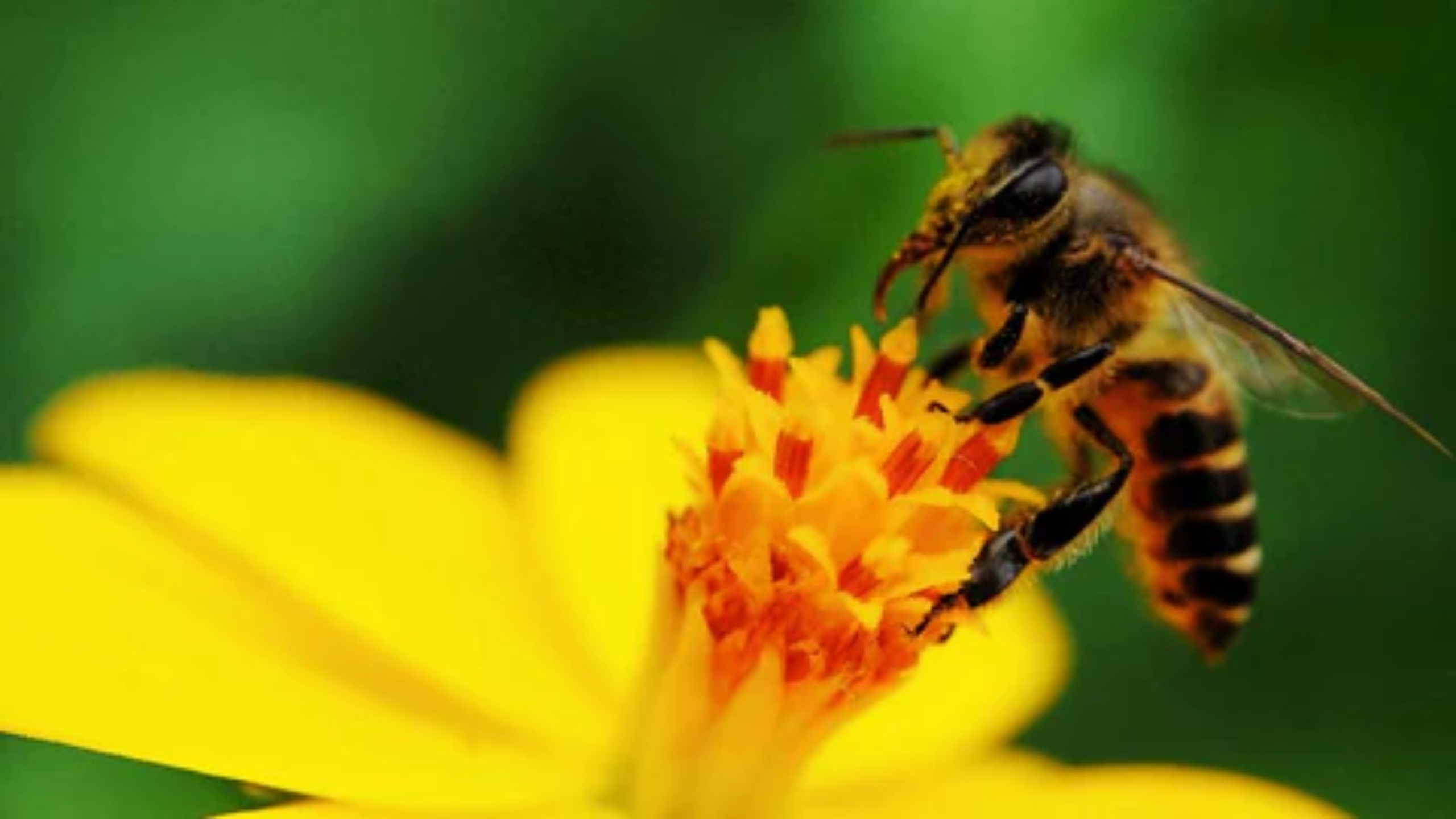
Have you ever stopped to wonder how the tiny, buzzing bees create the golden honey we all love? It’s a fascinating process that starts with a single bee and a mission as sweet as the honey itself. Let’s take a closer look at the incredible journey bees undertake to turn flower nectar into the delicious honey that brightens our breakfast tables.
1️⃣ Finding the Perfect Flower
Bees are expert foragers who have a keen eye for colorful, fragrant flowers rich in nectar. These flowers not only offer a tasty treat but are also full of the energy bees need to keep working. Their ability to spot the best blossoms is crucial to the success of the entire hive.
2️⃣ Landing with Precision
Once a bee finds a promising flower, she lands gently on its petals. Thanks to her tiny, specially adapted legs, she can hold steady without damaging the delicate flower. This careful landing is essential to access the nectar hidden deep within the blossom.
3️⃣ Sipping Nectar with a Special Tongue
Bees have long, straw-like tongues perfectly designed for sipping nectar. She uses this tool to draw up the sweet liquid and stores it in a unique internal sac known as the “honey stomach.” This sac is separate from her regular stomach and acts as a nectar transport container back to the hive.
4️⃣ Collecting Pollen Along the Way
While gathering nectar, pollen grains stick to the bee’s fuzzy body and legs. This accidental collection is vital for plant reproduction because as bees move from flower to flower, they transfer pollen, helping plants produce seeds and more flowers. This natural pollination process supports biodiversity and healthy ecosystems.
5️⃣ Flying Back Home with Nectar Treasure
When her honey stomach is full, the bee sets off on the journey back to the hive. Carrying this liquid gold, she navigates with incredible precision, using sunlight and landmarks to find her way home. The hive awaits, buzzing with anticipation for her arrival.
6️⃣ Sharing and Transforming Nectar into Honey
Back at the hive, the returning bee passes the nectar to worker bees. These bees chew the nectar to break down complex sugars, then deposit it into honeycomb cells. They fan the nectar with their wings to evaporate excess moisture, thickening it into the rich, sweet honey we recognize. This teamwork is essential to producing the honey that sustains the hive through colder months.
7️⃣ Rest and Recharge
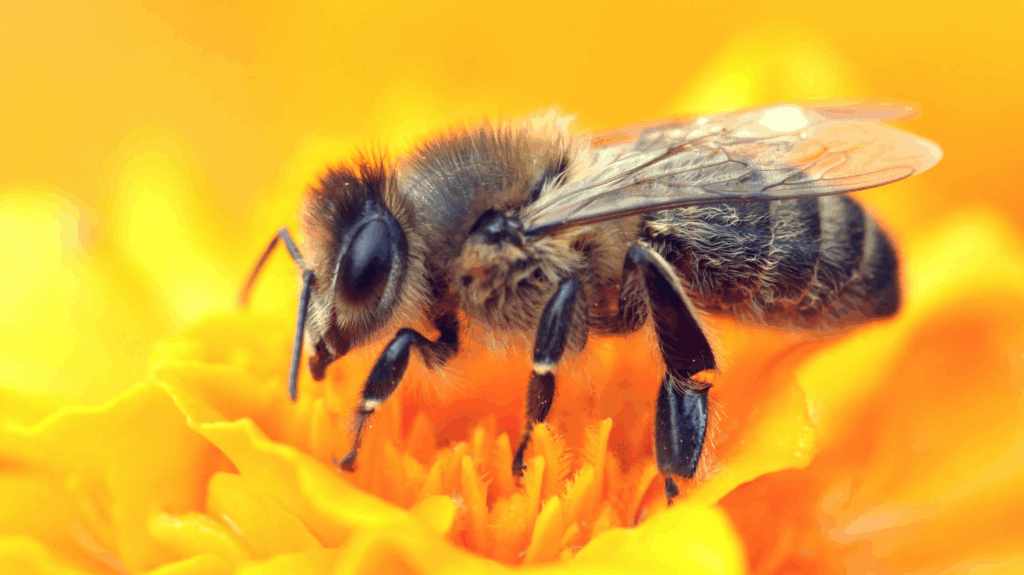
After a busy day of foraging, bees also need rest. Sometimes, they take brief naps on flowers or inside the hive to recharge their energy for the next outing. Despite their tireless work ethic, these moments of rest are vital for their survival and efficiency.
Why Is This Process Important?
The nectar collection and honey production process is not just about making honey; it’s a cornerstone of life on Earth. Bees play a crucial role as pollinators, supporting the growth of fruits, vegetables, and wild plants. Without bees, many plants would struggle to reproduce, threatening food supplies and natural habitats.
What Can We Do to Help Bees?
- Plant Bee-Friendly Flowers: Grow a variety of nectar-rich plants in your garden to provide food sources throughout the seasons.
- Avoid Pesticides: Chemicals can harm bees, so choose natural pest control methods.
- Provide Water: Bees need clean water sources to stay hydrated.
- Support Local Beekeepers: Buying local honey helps support bee populations and sustainable practices.
Conclusion
The journey of a bee collecting nectar is a remarkable story of nature’s harmony and teamwork. From selecting the perfect flower to producing honey, bees demonstrate incredible skill and dedication. By understanding and appreciating their vital role, we can contribute to protecting these amazing pollinators and enjoy the sweet rewards they create.
So next time you drizzle honey on your toast, remember the tiny bee’s big adventure that made it possible! 🐝🍯🌸