
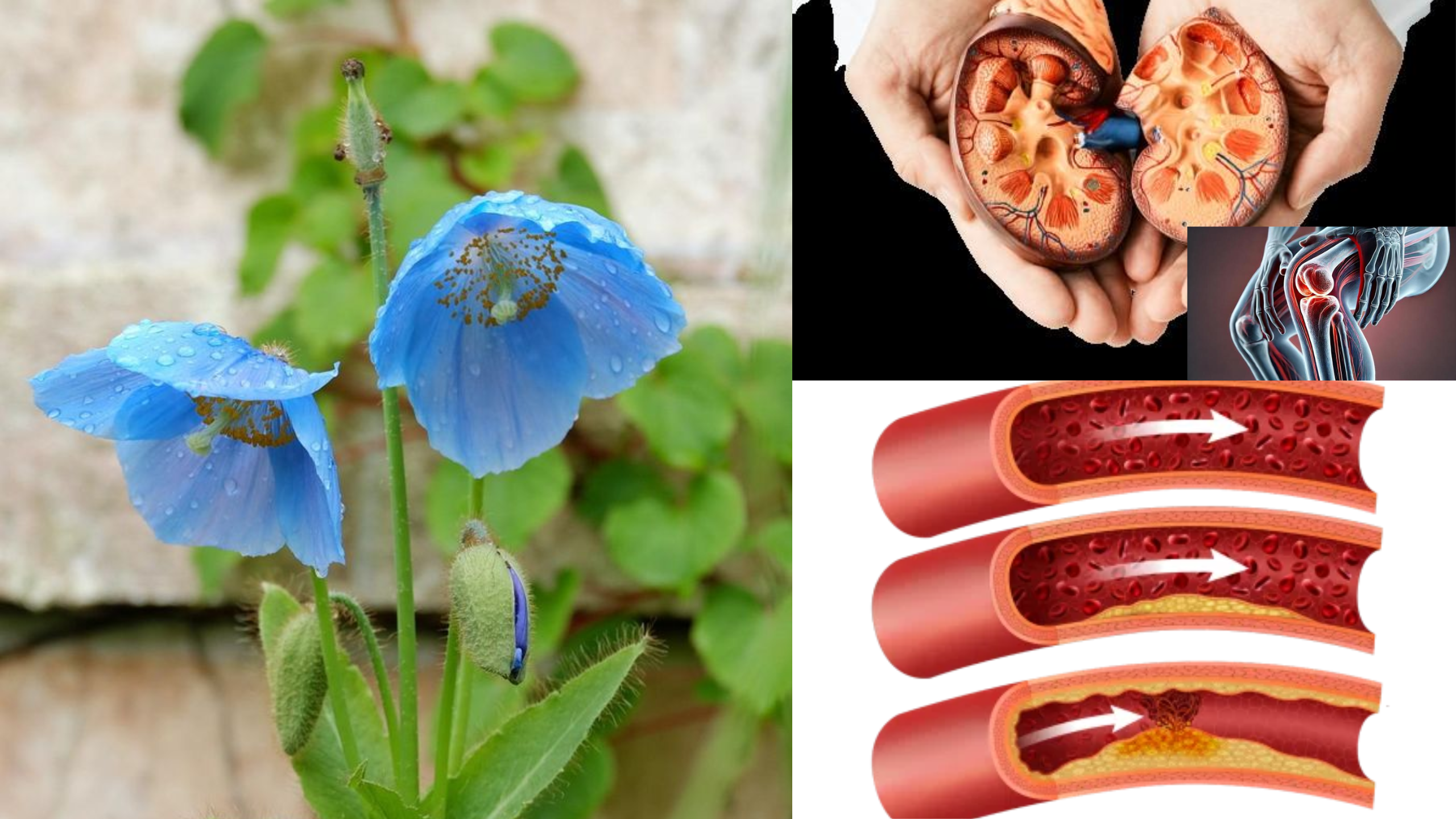
The Himalayan Blue Poppy is nothing short of a botanical masterpiece. With its vibrant blue petals and delicate, almost ethereal appearance, this flower captivates gardeners, nature lovers, and herbal enthusiasts alike. Native to the high-altitude regions of the Himalayas—spanning Tibet, Bhutan, and parts of China—this rare flower has been admired for centuries not just for its breathtaking beauty but also for its potential medicinal properties.
While the Himalayan Blue Poppy is often celebrated for its ornamental appeal, traditional medicine has long valued parts of this plant for various healing purposes. Though scientific research is still catching up, traditional use offers fascinating insights into its possible health benefits.
A Brief Look at Its Roots in Traditional Medicine
In Himalayan and Tibetan healing practices, different parts of the Himalayan Blue Poppy have been utilized to address a variety of ailments. These include:
- Soothing nervous disorders
- Relieving muscle and joint pain
- Balancing mood and promoting relaxation
- Supporting respiratory health
Many of these uses are rooted in the plant’s alkaloid content, which can act as mild sedatives and anti-inflammatory agents. Traditionally, herbalists have prepared infusions, poultices, or used the plant alongside other herbs to harness these benefits. However, because it is a delicate and rare plant, caution is advised, especially around harvesting and preparation.
Exploring the Potential Health Benefits
Here’s a closer look at some of the suspected benefits of Himalayan Blue Poppy, based on traditional knowledge and preliminary studies.
1. Natural Sedative and Mood Enhancer
Much like its poppy relatives, the Himalayan Blue Poppy is believed to contain compounds that promote a sense of calm. Traditionally, it’s been used to:
- Ease anxiety and nervous tension
- Improve mental clarity during stressful times
- Help alleviate mild insomnia
Note: While these calming effects are supported by traditional use, scientific validation is still in development. More research is needed to confirm these properties.
2. Anti-inflammatory and Pain-Relief Properties
Local practices often involve applying crushed leaves as poultices to reduce swelling and ease pain. Extracts from the plant have been used to:
- Diminish joint inflammation
- Alleviate muscle soreness
- Reduce discomfort associated with arthritis
Its anti-inflammatory effects could make it a gentle option for those seeking natural relief from everyday aches without strong medications.
3. Respiratory Support
At high altitudes, traditional remedies often include Himalayan Blue Poppy infusions to help with respiratory issues. These uses include:
- Soothing dry or irritated throats
- Supporting lung health in challenging environments
- Acting as a mild expectorant to clear chest congestion
Because these functions align with traditional herbal practices, they warrant further scientific exploration to confirm their effectiveness.
4. Rich in Antioxidants
Certain varieties of the Meconopsis genus contain flavonoids and phenolic compounds, which are known for antioxidant activities. These compounds can help:
- Fight oxidative stress caused by free radicals
- Protect cells from damage
- Potentially offer anti-aging benefits
Consuming Himalayan Blue Poppy as an herbal tea or extract could provide this antioxidant boost, although again, more scientific evidence is needed.
Precautions and Important Considerations
Despite its allure, the Himalayan Blue Poppy is a delicate and rare species. It’s primarily cultivated for ornamental purposes rather than medicinal uses, which makes responsible handling crucial.
- Seek expert guidance: Always consult an experienced herbalist or healthcare provider before experimenting with herbal preparations.
- Ensure correct identification: Many plants look similar, and some parts may be toxic if ingested improperly.
- Use in moderation: Because active compounds are potent, misuse could lead to adverse effects.
This caution is especially important given the plant’s endangered status in the wild, emphasizing the need for sustainable cultivation and responsible use.
The Flower’s Symbolic and Therapeutic Significance
Beyond its visual appeal, the Himalayan Blue Poppy embodies resilience and rare beauty. Its traditional uses reflect a deep respect for nature’s subtle healing powers. While modern science continues to investigate its full potential, this flower remains a symbol of tranquility and gentle strength.
Its presence in an alpine garden not only provides aesthetic delight—they may also serve as a source of inspiration and connection to nature’s healing wisdom.
Final Thoughts
The Himalayan Blue Poppy is a true gem of the plant kingdom: stunning to behold and potentially beneficial to health. Although the evidence behind its medicinal properties is largely rooted in tradition, its calming, anti-inflammatory, and antioxidant reputation continues to resonate with herbal enthusiasts and natural health advocates.
If you’re captivated by this beautiful flower, consider cultivating it responsibly or exploring herbal preparations with expert guidance. As research progresses, who knows what additional healing secrets the Himalayan Blue Poppy might unveil?
Have you ever grown or used the Himalayan Blue Poppy? Share your experiences or questions below!