
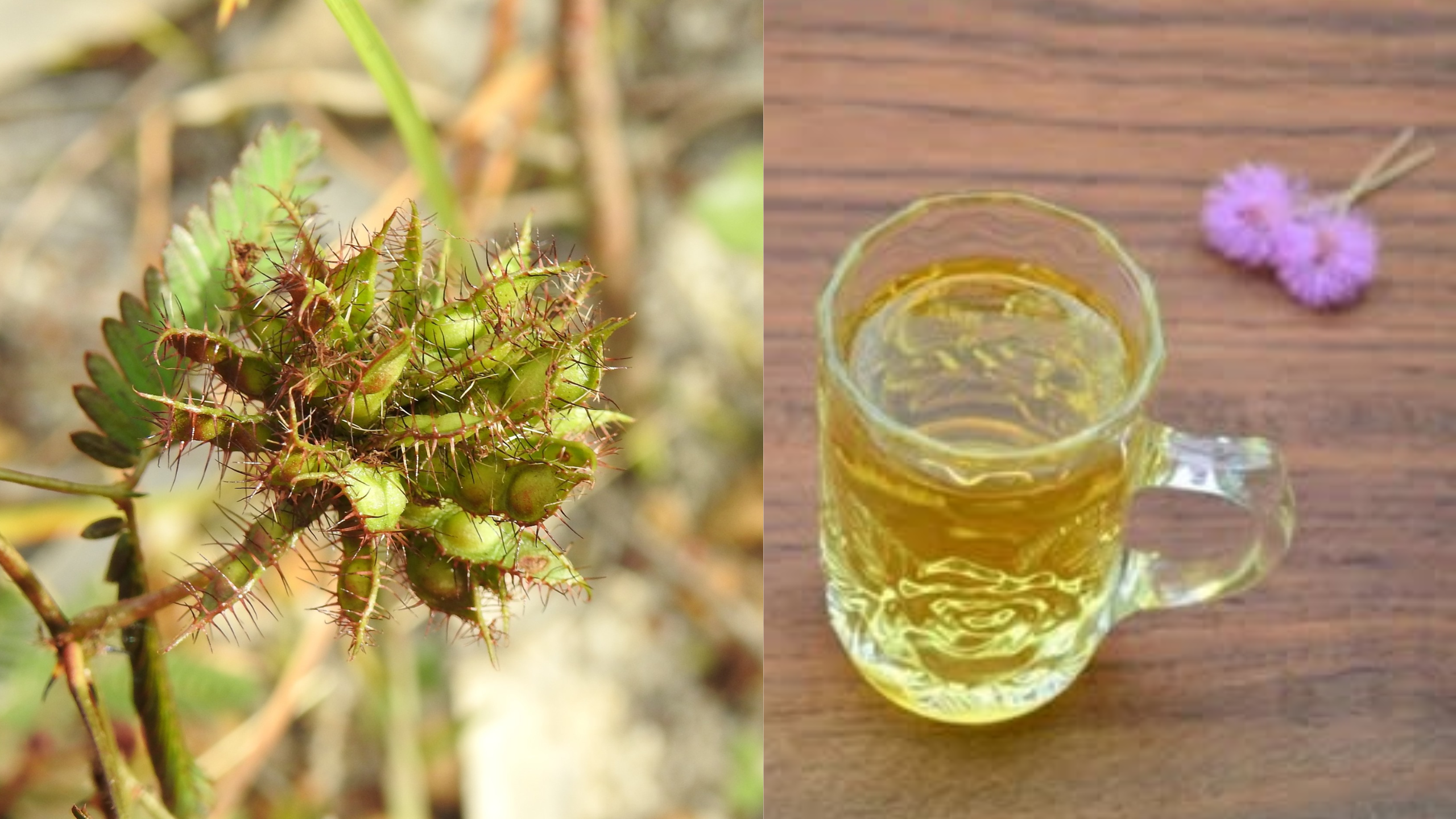
Mimosa pudica, often called the “sensitive plant” or “touch-me-not,” is renowned for its captivating trait: its leaves fold inward when touched or disturbed. This fascinating reaction has captivated plant enthusiasts worldwide. But beyond this intriguing behavior, Mimosa pudica holds a rich place in traditional medicine, celebrated for its wide-ranging health benefits. Let’s take a closer look at its remarkable medicinal properties and explore how you can incorporate this natural remedy into your wellness routine.
What Makes Mimosa pudica Special?
This humble looking plant is a treasure trove of bioactive compounds with powerful health effects. It’s not just a botanical curiosity—its medicinal properties have been recognized for centuries across various cultures, especially in Ayurveda and traditional healing systems.
Key Medicinal Properties of Mimosa pudica
- Antimicrobial: Its ability to fight bacteria and fungi helps in preventing and treating infections.
- Anti-inflammatory: Reduces swelling and redness, making it beneficial for wound healing, joint pain, and skin conditions.
- Antioxidant: Packed with antioxidants, it neutralizes harmful free radicals that can cause cell damage and aging.
- Astringent: Its tightening effect helps stop bleeding and promotes faster wound closure.
- Antiparasitic: Traditionally used to eliminate intestinal worms, notably effective against common parasites like roundworms and tapeworms.
- Sedative: Offers mild calming effects, making it helpful for anxiety, stress, and sleep disturbances.
- Antidiarrheal: Strengthens the digestive tract, alleviating diarrhea and supporting gut health.
How Does Mimosa pudica Help Your Body?
This plant’s multifaceted medicinal uses span many health areas. Here’s a detailed look at some of its most popular applications:
1. Promotes Wound Healing and Fights Infections
Thanks to its antimicrobial and astringent properties, applying crushed leaves directly to cuts, burns, or skin infections accelerates healing and reduces the risk of infection. The plant’s natural compounds help to contract tissues, stop bleeding, and keep pathogens at bay, speeding up recovery.
2. Supports Digestive Health
Mimosa pudica is renowned for its ability to soothe digestive disturbances. Drinking brewed tea from fresh leaves can help alleviate diarrhea, irritable bowel syndrome (IBS), and indigestion. Its antispasmodic effects calm the irritated intestinal lining, promoting smoother digestion.
3. Expels Intestinal Parasites
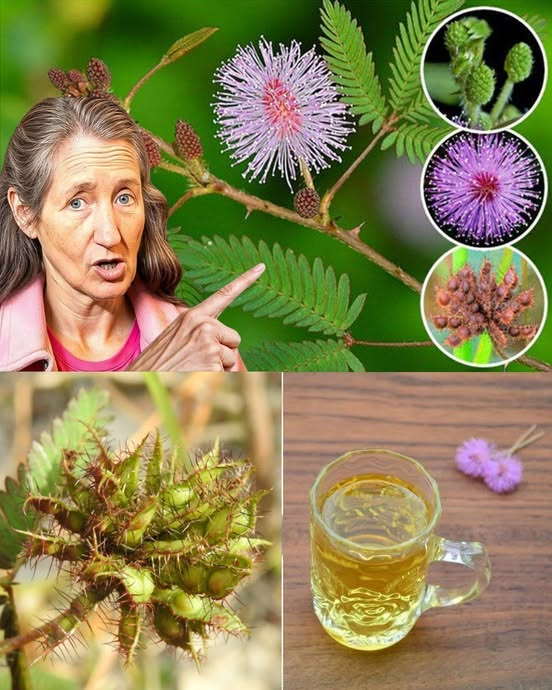
The seeds are traditionally used to target intestinal parasites such as tapeworms and roundworms. They work by paralyzing these worms, facilitating their removal from the gut and aiding in detoxification.
4. Reduces Inflammation and Pain
People with arthritis or joint pains find relief by consuming Mimosa pudica tea or applying leaf paste topically. Its anti-inflammatory properties help diminish swelling and soreness, making it a natural remedy for joint problems.
5. Enhances Respiratory Health
This plant also benefits chest and airway health. It acts as a natural expectorant, easing coughs, bronchitis, and asthma by helping clear mucus from the lungs. Its soothing effects reduce airway inflammation and irritation.
6. Calms the Nervous System and Improves Sleep
Because of its sedative effects, Mimosa pudica can help ease anxiety and mental stress. Drinking its tea before bedtime promotes relaxation, making it easier to fall asleep and enjoy restful nights.
7. Promotes Uterine and Reproductive Health
In traditional practices, it has been used to regulate menstrual cycles and reduce cramps. Its uterine tonic effects support reproductive well-being and may help manage certain disorders.
8. Aids in Blood Sugar Regulation
Preliminary studies suggest that Mimosa pudica could help manage blood sugar levels by improving insulin sensitivity and reducing the absorption of glucose. It’s a promising addition to natural approaches for diabetes management.
How to Use Mimosa pudica: Practical Tips
Wondering how to incorporate Mimosa pudica into your health regimen? Here are some simple, effective ways:
- Mimosa Pudica Tea:
Boil a handful of fresh or dried leaves in water for about 10-15 minutes. Strain and drink to support digestion, reduce inflammation, or promote relaxation. - Topical Applications:
Crush the leaves into a paste and apply directly on wounds or inflamed skin. Cover with a clean cloth and leave it for some hours to help heal and prevent infection. - Seeds and Powder:
Ground seeds can be taken in capsules or mixed with water to help expel parasites and improve gut health. You can also find powdered form at health stores. - Tinctures:
Available commercially, tinctures are concentrated extracts you can take orally as a supplement for overall wellness.
Safety Tips and Precautions
While Mimosa pudica offers many benefits, it’s essential to use it responsibly.
- Pregnancy and Breastfeeding:
Consultation with a healthcare professional is advised before use during pregnancy or nursing. - Medication Interactions:
If you’re taking medications such as diabetes drugs or blood pressure medicines, talk to your doctor to avoid potential interactions. - Allergic Reactions:
Discontinue use if you notice allergic symptoms like rash, itching, or swelling.
Always remember, natural remedies should complement a healthy lifestyle and not replace professional medical advice.
Final Thoughts
Mimosa pudica isn’t just a curious plant that reacts to touch—it’s a powerful natural medicine with a broad spectrum of health benefits. From healing wounds and supporting digestive health to calming the nervous system and managing blood sugar levels, this humble plant offers a wealth of possibilities.
Before adding it to your health regimen, seek guidance from a healthcare provider, especially if you’re pregnant, nursing, or on medications. When used properly, Mimosa pudica can be a valuable ally in your journey toward better health and well-being.