
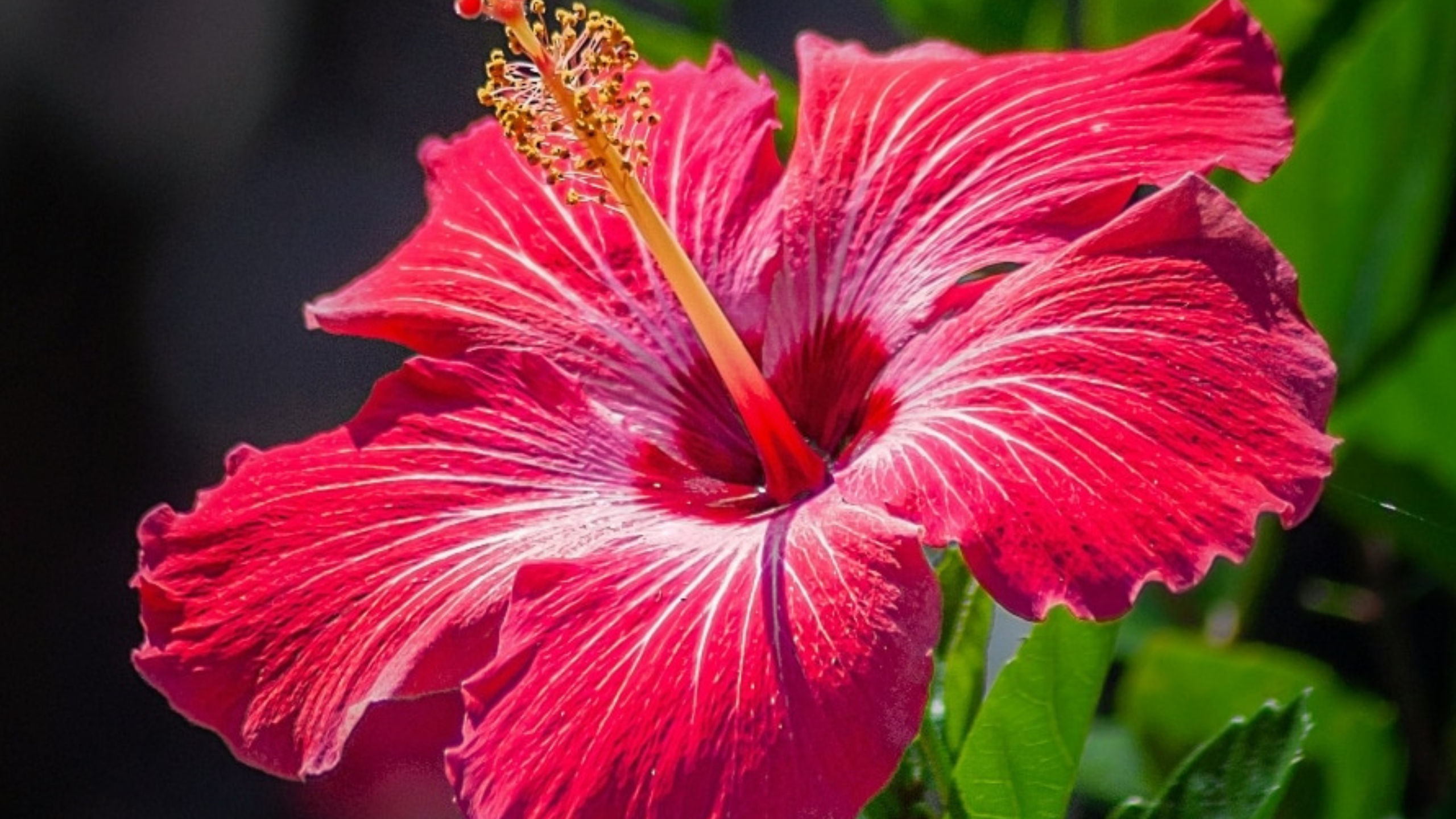
Hibiscus (Hibiscus rosa-sinensis), commonly known as the Chinese Rose, is not only a stunning addition to gardens but also an incredible source of various health benefits. Both its leaves and flowers are utilized in traditional medicine due to their astonishing properties. Below is a comprehensive exploration of their advantages and practical uses.
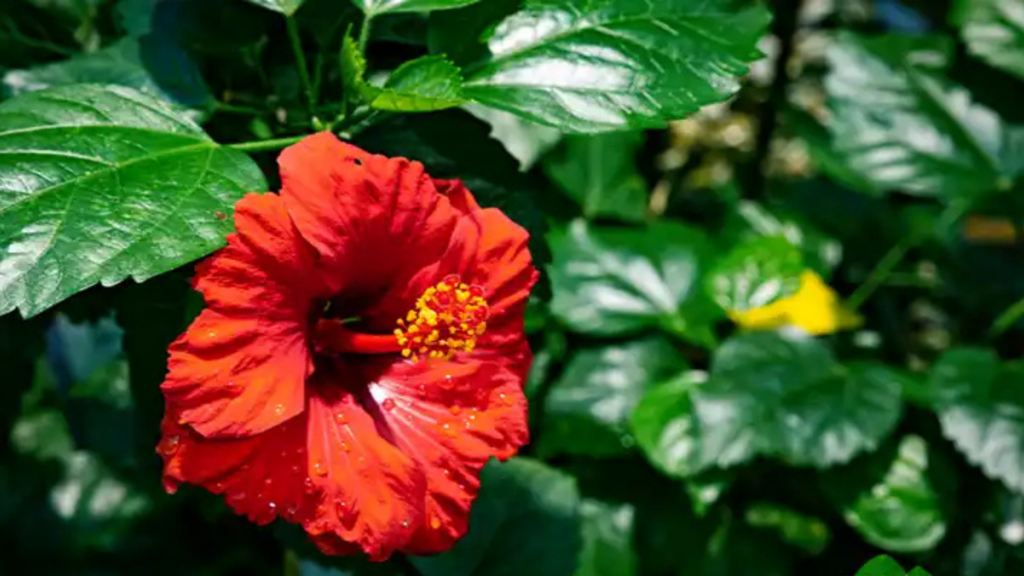
Benefits of Hibiscus Leaves
- Encourages Hair Growth: Rich in essential nutrients, hibiscus leaves promote the health of the scalp and fortify hair roots.
- Dandruff Control: Their natural antifungal qualities effectively combat dandruff and provide relief to the scalp.
- Supports Skin Health: Functioning as a natural moisturizer, hibiscus leaves help keep the skin hydrated and soft.
- Enhances Immunity: Packed with antioxidants, these leaves bolster the immune system.
- Aids Digestion: They have mild laxative effects that facilitate digestion and alleviate constipation.
- Reduces Inflammation: Hibiscus leaves contain anti-inflammatory compounds that can decrease body inflammation.
- Regulates Blood Sugar: They may assist in stabilizing blood sugar levels.
- Detoxifies the Body: These leaves support liver cleansing and toxin elimination.
- Alleviates Respiratory Issues: They help soothe coughs and alleviate congestion.
- Promotes Wound Healing: A paste made from fresh leaves can expedite the healing of minor cuts and wounds.
- Oral Health: Traditionally, leaves have been used to maintain healthy teeth and gums.
- Improves Sleep: Their natural relaxing properties can enhance sleep quality.
How to Use Hibiscus Leaves
- Hair Growth Mask: Blend fresh hibiscus leaves into a paste, apply to the scalp, leave for 30 minutes, then rinse off.
- Detox Tea: Boil dried or fresh leaves in water, strain, and consume to detox the body and boost immunity.
- Skin Moisturizer: Combine a paste of hibiscus leaves with aloe vera gel and apply to the skin for hydration.
- Wound Healing Paste: Crush fresh leaves into a paste and apply to minor wounds or cuts for quicker healing.
Benefits of Hibiscus Flowers
- Rich in Antioxidants: Known to combat free radicals and reduce oxidative stress in the body.
- Heart Health: Helps lower blood pressure and cholesterol levels, promoting cardiovascular well-being.
- Supports Weight Loss: Aids in reducing fat absorption and enhancing metabolism.
- Balances Hormones: Can help regulate menstrual cycles and relieve PMS symptoms.
- Improves Digestion: Alleviates bloating and contributes to gut health.
- Boosts Liver Function: Enhances liver health through improved detoxification.
- Reduces Anxiety: Serves as a natural relaxant to help diminish stress levels.
- Enhances Skin Texture: Improves skin elasticity and mitigates aging signs.
- Strengthens Immunity: Loaded with Vitamin C, it helps fend off infections.
- Fever Reduction: Traditionally used to lower fevers effectively.
- Promotes Quality Sleep: Its calming effects support restful sleep.
- Soothes Cough and Throat Irritation: Eases throat discomfort and minimizes irritation.
- Supports Weight Management: Mild diuretic properties help reduce water retention.

How to Use Hibiscus Flowers
- Health-Boosting Tea: Steep dried hibiscus flowers in hot water for 5-10 minutes; enjoy this infusion for its antioxidants, digestive support, and cardiovascular benefits.
- Glowing Skin Face Mask: Make a paste from crushed hibiscus petals mixed with yogurt. Apply to the face and rinse off after 20 minutes.
- Flower Syrup for Relaxation: Boil flowers with sugar and water to create a soothing syrup. Mix it with water or tea for stress relief.
- Cough Soothing Brew: Steep flowers in hot water with honey and ginger to alleviate throat discomfort.
Disclaimer: Generally, hibiscus leaves and flowers are safe for most individuals when consumed in moderation. However, it is advisable to consult a healthcare professional if you are pregnant, nursing, or taking medications, as hibiscus may interfere with certain health conditions or treatments. Always ensure the plants used are free from pesticides and chemicals before use.