
Introduction
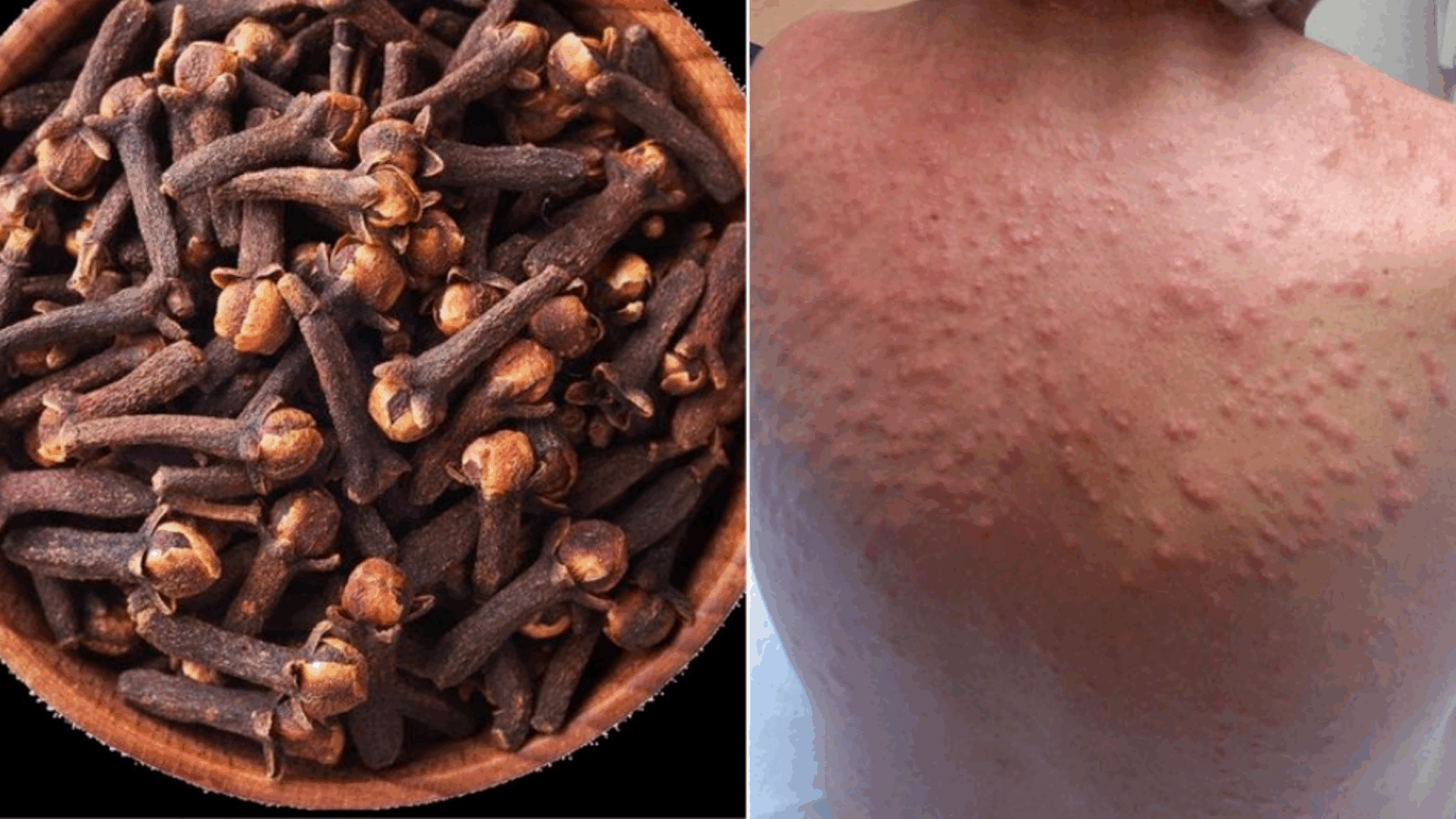
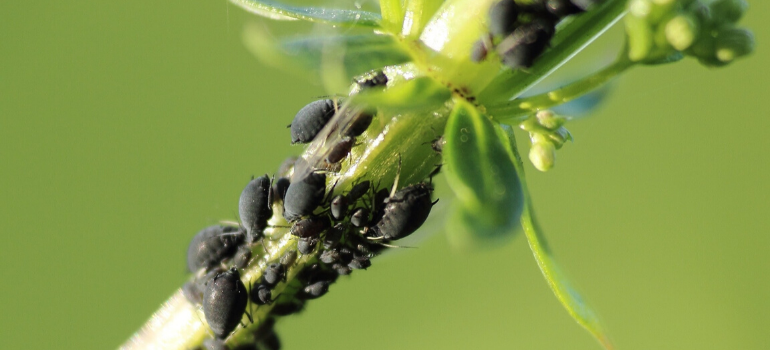
When it comes to maintaining a pest-free home, many are turning to natural alternatives over chemical pesticides. Two such effective and eco-friendly solutions are diatomaceous earth (DE) and cloves. These natural substances not only help in repelling and eliminating pests like bed bugs but also ensure the safety of your family and pets.
In this comprehensive guide, we’ll explore how to use diatomaceous earth and cloves to combat bed bugs and other common household pests, providing you with safe and effective methods to protect your living space.
Part 1: Understanding the Natural Defenders
1.1 What Is Diatomaceous Earth?
Diatomaceous earth is a fine, powdery substance made from the fossilized remains of diatoms, a type of hard-shelled algae. This natural powder is effective in pest control due to its abrasive properties, which damage the exoskeletons of insects, leading to dehydration and death. It’s important to use food-grade diatomaceous earth for indoor applications to ensure safety.
1.2 The Power of Cloves
Part 2: Practical Applications and Tips
2.1 Using Diatomaceous Earth Against Bed Bugs
Step-by-Step Guide:
- Preparation: Vacuum the infested areas thoroughly, including mattresses, bed frames, and surrounding furniture, to remove visible pests and eggs.
- Application: Lightly dust food-grade diatomaceous earth onto seams, crevices, and other hiding spots. Use a brush or duster for even distribution.
- Wait Period: Allow the powder to sit undisturbed for several days to ensure effectiveness.
- Cleanup: After the waiting period, vacuum the treated areas to remove the diatomaceous earth and any dead pests.
Safety Tips:
- Wear a dust mask during application to avoid inhaling the fine particles.
- Keep the treated areas dry; moisture can reduce DE’s effectiveness.
- Reapply as necessary, especially after cleaning or if new signs of pests appear.
2.2 Incorporating Cloves as a Natural Repellent
Methods of Use:
- Clove Sachets: Place whole cloves in small fabric bags and place them in drawers, closets, and other areas prone to pests.
- Clove Oil Spray: Mix a few drops of clove essential oil with water in a spray bottle. Lightly mist this solution around the home, focusing on entry points and areas where pests are commonly found.
- Clove and Lemon Repellent: Combine cloves with lemon slices and place them in areas where pests are a problem. The combination of scents acts as a natural deterrent.
Safety Tips:
- Ensure proper ventilation when using clove oil sprays indoors.
- Keep clove sachets out of reach of pets and small children.
Part 3: Expanding Your Natural Pest Control Arsenal
3.1 Beyond Bed Bugs: Other Pests and Natural Solutions
- Ants: Sprinkle diatomaceous earth along ant trails and entry points. Clove oil can also be used to disrupt ant pheromone trails.
- Cockroaches: Apply diatomaceous earth in cracks and crevices where cockroaches hide. Clove sachets can be placed in cabinets and drawers to repel them.
- Fleas: Dust pet bedding with diatomaceous earth to eliminate fleas. Ensure pets are not present during application.
3.2 Benefits of Natural Pest Control
- Safety: Non-toxic to humans and pets when used correctly.
- Environmentally Friendly: Reduces the need for chemical pesticides, minimizing environmental impact.
- Cost-Effective: Affordable solutions compared to commercial pest control services.
- Sustainable: Utilizes readily available natural substances.
3.3 Seasonal and Regional Tips
- Summer: Increased pest activity; regular application of clove oil sprays can help keep mosquitoes at bay.
- Winter: Indoor heating can drive pests indoors; ensure diatomaceous earth is applied to all potential hiding spots.
- Humid Climates: Moisture can reduce the effectiveness of diatomaceous earth; ensure treated areas remain dry.
Part 4: Tools and Materials Checklist
| Tool/Material | Emoji | Purpose |
|---|---|---|
| Food-grade diatomaceous earth | 🧂 | Pest elimination |
| Dust mask | 😷 | Protection during application |
| Vacuum cleaner | 🧹 | Cleanup after treatment |
| Clove essential oil | 🌿 | Natural repellent |
| Fabric sachets | 🧵 | Containment for whole cloves |
| Spray bottle | 💧 | Application of clove oil solutions |
| Lemon slices | 🍋 | Enhances clove scent in repellents |
FAQs
Q1: Is diatomaceous earth safe for pets?
A1: Yes, food-grade diatomaceous earth is safe for pets when used as directed. However, ensure pets are not present during application and allow treated areas to settle before they re-enter.
Q2: How often should I reapply diatomaceous earth?
A2: Reapply diatomaceous earth every 7-10 days or after cleaning to maintain its effectiveness.
Q3: Can cloves be used to repel all types of insects?
Q4: Are there any side effects of using clove oil?
A4: Clove oil can cause skin irritation in some individuals. Always dilute with water and perform a patch test before widespread use.
Q5: Can I use diatomaceous earth outdoors?
Conclusion
Natural pest control methods like diatomaceous earth and cloves offer safe, effective, and eco-friendly alternatives to chemical pesticides. By incorporating these natural substances into your pest management routine, you can protect your home from unwanted pests while ensuring the safety of your family and the environment.
If you’ve had experiences using diatomaceous earth or cloves for pest control, or if you have additional tips and tricks, feel free to share them in the comments below. Your insights could help others create a pest-free home using natural methods.
Link: https://www.healthline.com/health/diatomaceous-earth-for-pests
Anchor text: How Diatomaceous Earth Works for Pest Control
Here are three relevant external links
Link: https://www.aromaweb.com/articles/clove-oil.asp
Anchor text: The Benefits and Uses of Clove Essential Oil
Link: https://www.epa.gov/safepestcontrol/natural-pest-control-options
Anchor text: Natural Pest Control Options for a Safer Home