
Introduction
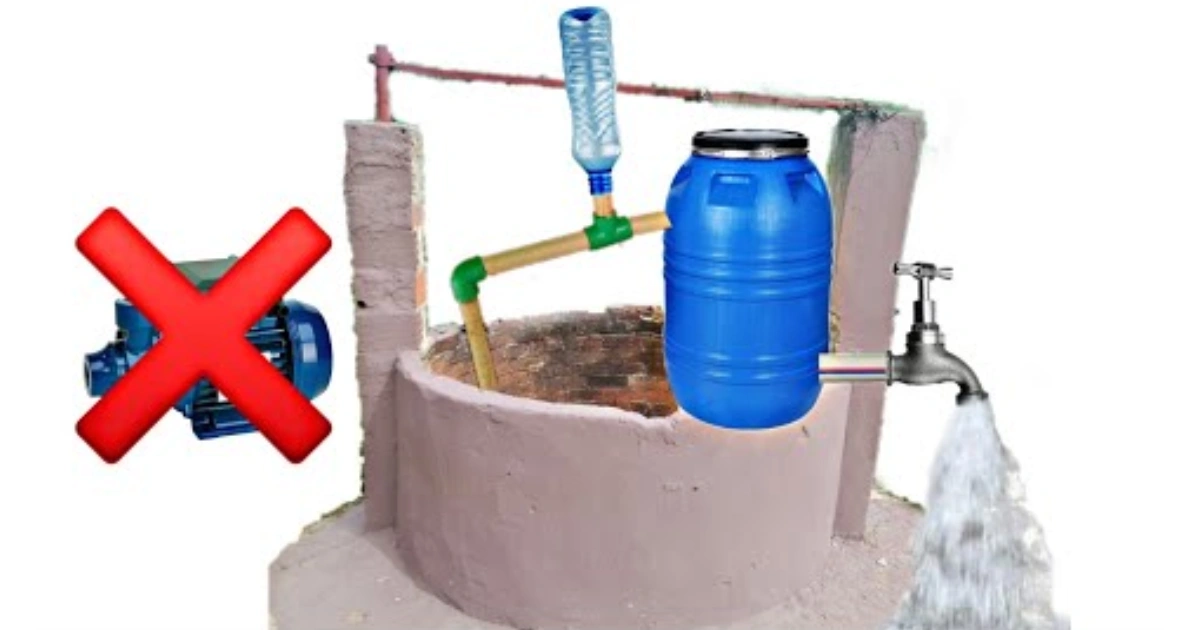
Living off-grid or aiming for a greener lifestyle? Accessing deep-well water without plugging into electricity is both empowering and eco-friendly. This post shows you how to tap into your well sustainably—no electrician needed, just smart methods.
You’ll explore:
- Why off-grid water matters
- 5 practical extraction methods
- Easy step-by-step setup tips
- Mistakes gardeners often make
- Seasonal advice and a handy materials list
Whether you’re a gardener, homesteader, or prepping for emergencies, you’ll love these nature-powered solutions.
Why Choose Off-Grid Well Water Extraction
Relying on electricity to pump well water is convenient—but not always reliable. Power outages, rising energy prices, and environmental concerns make non-electric alternatives appealing.
Benefits include:
- Cost savings on energy bills
- Reliable access during blackouts
- Lower carbon footprint with manual or solar systems
- Simple systems that are easy to fix
From PVC manual pumps for small gardens to solar units that run all day, there’s a method that matches your needs and eco vision.
Overview of 5 Off‑Grid Water Extraction Methods
1. Manual PVC Pump (for shallow wells)
- Works up to ~10 m deep
- Affordable, light, simple to maintain
- Great for gardening or emergency use
2. Manual Piston Pump (heavier-duty)
- Effective to 20 m depths
- Durable and handles frequent use
- Ideal for daily garden watering
3. Rope (Chain) Pump – Traditional & Low-Tech
- Rope with attached seals lifts water up
- Great for very deep wells
- Low maintenance, can be hand or pedal powered
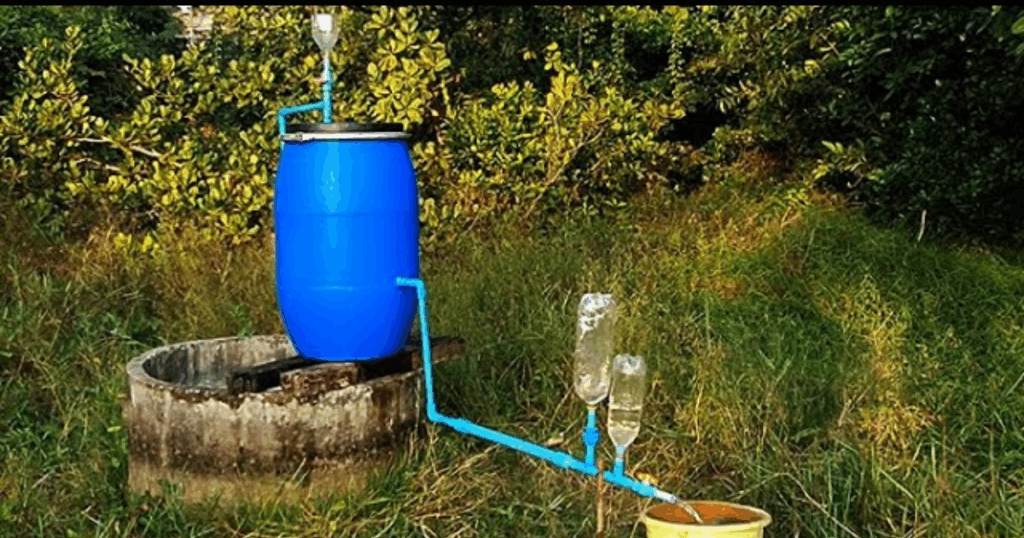
4. Hydraulic Ram (Bélier) Pump
- Uses flowing water (stream or reservoir)
- No electricity; pumps continuously
- Well-suited for remote sites with elevation change
5. Solar-Powered Pump
- Solar panels power a submersible or surface pump
- Environmentally friendly and automated
- Best for areas with consistent sunlight
Step‑by‑Step Guide & Tips
- Measure well depth to pick the right system
- Gather materials: pipes, seals, solar panels, etc.
- Prep the well cap: secure and seal to prevent debris
- Install the pump at correct depth
- Connect discharge line to storage tank or irrigation
- Prime the system: add water and test operation
- Adjust flow: tweak valves or pedal speed
- Monitor performance: check for leaks or seals daily
- Re-maintain every season
Common Mistakes & How to Avoid Them
- Overestimating pump depth rating—always measure accurately
- Skipping winter freeze-proofing
- Ignoring pipe alignment, leading to friction loss
- Forgetting priming and trap checks before use
Benefits of Off‑Grid Water Systems
- Independence from grid failures
- Energy savings—no power costs for manual methods
- Eco-friendliness—manual or solar = green
- Scalable—from small garden pumps to farm-level setups
Seasonal & Regional Tips
- In cold regions, insulate or drain hand pumps in winter
- Dry climates benefit from solar pumps that run during peak sun
- Hilly areas ideal for hydraulic ram pumps with elevation drop
- Rainy seasons: use solar backup for cloudy days
🧰 Tools & Materials Checklist
- Manual pump kit or piston kit
- Rope pump chain or hardware
- Hydraulic ram kit + drive pipe
- Solar panel (50–200 W), charge controller, submersible pump
- PVC piping, fittings, clamps
- Silicone sealant, primer, plumber’s grease
- Well cap and launch platform
- Water storage tank or barrels
FAQs
Q: Can I use a manual pump for a well deeper than recommended?
A: Not effectively. Better to use a piston pump or rope system for deeper wells.
Q: Are hydraulic ram pumps noisy?
A: They emit a rhythmic “thump” when operating, but many find it soothing—install away from living areas if desired.
Q: Do solar pumps work in winter?
A: Only in sunny months. In low-sun periods, you’ll need manual backup or battery storage.
Q: How often should I maintain these systems?
A: Manual systems: monthly checkups. Hydraulic and solar: inspect seasonally—clean filters, check hoses.
Q: Are off-grid pumps easy to install?
A: Most kits are DIY-friendly. Just follow the manufacturer guide and local well-code regulations.
Conclusion
Pulling water from deep wells without electricity is practical—and incredibly rewarding. Whether you choose a simple manual pump, a time-tested rope mechanism, a hydraulic ram, or a modern solar setup, you’ll gain resilience and sustainability.
Curious which method fits your garden or homestead? Drop a comment with your well depth or setup, and let’s chat! And if you found this helpful, pass it along to other nature-loving friends 🌱
Sources
Demander à ChatGPT