
Introduction: Why Snake Knowledge Saves Lives
Imagine you’re walking through the woods or working in your garden, and a snake slithers by. Would you panic — or would you know exactly what to do? Each year, thousands of people get bitten by snakes simply because they cannot tell which ones are dangerous and which are harmless.
Understanding the difference could truly save a life. Snakes play an important role in the ecosystem, keeping pests under control. But a bite from a venomous snake is a medical emergency, and identifying the signs fast makes all the difference.
In this detailed guide, you’ll learn to spot venomous versus non-venomous snakes, recognize the signs of a bite, and respond with confidence. And if you’re looking for even more nature safety tips, check out Secrets of the Green Garden for powerful outdoor living resources.
Understanding Snake Identification Basics
Snakes vary in color, size, and pattern — but there are a few universal clues that help you make sense of what you’re seeing.
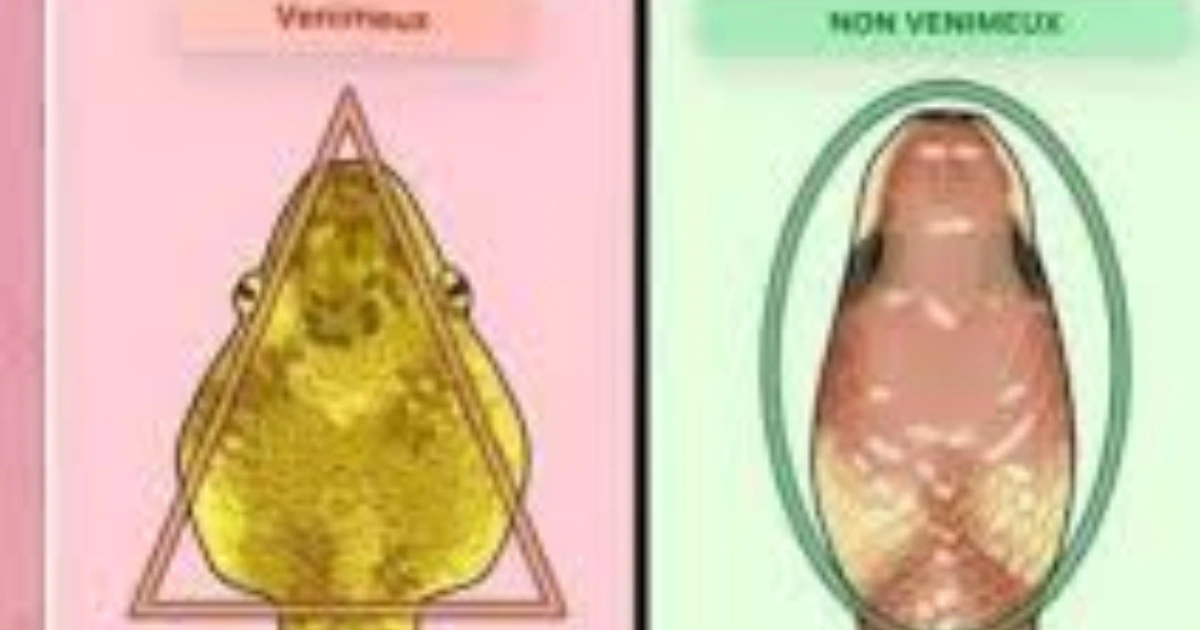
✅ Head shape: Many venomous snakes have a more triangular or spear-shaped head, wider than their neck, thanks to venom glands.
✅ Eyes: Venomous snakes often have elliptical, slit-like pupils (like a cat’s). Non-venomous snakes usually have round pupils.
✅ Behavior: Venomous snakes tend to be more defensive and display warning signals like rattling, hissing, or flattening their bodies.
✅ Color patterns: Some venomous snakes have distinct markings, but many harmless snakes mimic these colors to trick predators.
👉 Keep in mind that these rules aren’t foolproof. Snake mimicry can make even experts think twice, so treat any unknown snake with caution.
Venomous Snakes: Key Characteristics
Let’s look deeper at what defines a venomous snake.
- Triangular or arrow-shaped heads
Their venom glands make their head appear wider and more pointed. - Fangs
Venomous snakes have specialized hollow fangs that inject venom deeply. - Warning behaviors
Some will rattle their tails, flatten their heads, or produce loud hisses to scare you away. - Examples
- Rattlesnakes: recognizable by their rattling tails
- Vipers: stocky bodies with distinctive patterns
- Cottonmouths: known for their bright white mouth display
Venomous snake bites can deliver powerful toxins that attack the nervous system, blood, or tissue.
Non-Venomous Snakes: How to Recognize Them
Non-venomous snakes, thankfully, make up the majority of species in most regions.
- Rounded or oval heads
Their heads blend into their bodies without a sharp “neck.” - Small, even teeth
Instead of fangs, they have rows of tiny teeth that rarely penetrate deeply. - Calmer behavior
These snakes usually try to escape instead of threatening you. - Examples
- Garter snakes: thin, colorful stripes
- Corn snakes: beautiful orange or red patterns
- Rat snakes: excellent climbers, common around barns
Some harmless snakes, however, flatten their heads or hiss to mimic dangerous species. That’s why positive identification takes practice.
Recognizing Snakebite Symptoms
If bitten, being able to spot symptoms quickly is vital.
Venomous snake bite signs
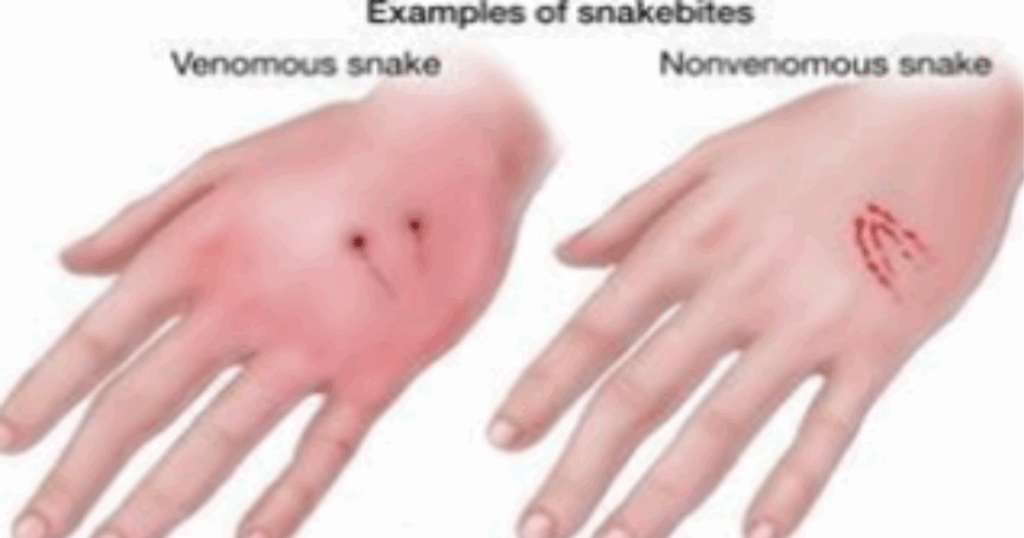
- Deep puncture marks from fangs
- Severe pain or burning
- Rapid swelling
- Bruising or discoloration
- Difficulty breathing in severe cases
Non-venomous snake bite signs
- Several small tooth marks in a U shape
- Mild pain
- Less swelling
- Risk of infection
Always assume the worst and treat any snake bite seriously until a professional confirms otherwise.
Step-by-Step First Aid After a Bite
If a bite happens, follow these essential steps:
- Stay as calm as possible — panic increases heart rate.
- Call emergency medical services immediately.
- Keep the bite area still and at or below heart level.
- Remove jewelry or tight clothing near the bite.
- Do not try to suck out the venom.
- Do not cut the wound.
- Do not apply ice directly to the bite.
Focus on getting professional help instead of home remedies.
Common Mistakes to Avoid
When panic strikes, people often do the wrong things. Here’s what not to do:
- ❌ Don’t try to catch or kill the snake — this wastes precious time
- ❌ Don’t apply a tourniquet — it can worsen damage
- ❌ Don’t drink alcohol or caffeine — they may speed venom circulation
These mistakes could make things much worse. Stay calm, get help, and note the snake’s appearance for professionals.
Regional and Seasonal Snake Safety Tips
Where you live and what season it is can change snake risks:
- Spring and summer: snakes are more active
- Dry climates: snakes look for water, bringing them closer to homes
- Mountain or forest areas: higher chance of encountering certain species
👉 Study your local snake species and share their photos with family so everyone is prepared.
Tools and Safety Checklist
Here’s a quick snake-safety pack to consider:
- 🥾 Sturdy hiking boots
- 🦺 Snake gaiters or high socks
- 📱 Local emergency contact numbers saved in your phone
- 🗺️ Regional snake identification booklet or app
- 🩹 First aid kit with antiseptics
These simple tools can help you feel more confident when exploring outdoors.
FAQs
How can I tell if a snake is venomous?
Look for triangular heads, slit pupils, and defensive behavior — but never rely on this alone.
Are baby snakes more dangerous?
Sometimes. Young venomous snakes can deliver a full venom load because they don’t yet control how much they inject.
What should I do if I see a snake?
Stay still or move away slowly. Never try to handle it.
Can non-venomous snakes bite?
Yes, but their bites are usually minor and rarely dangerous.
How fast should I get to a hospital?
Immediately. Always treat snake bites as emergencies.
Encouraging Conclusion
Snakes are a vital part of our ecosystems — and with a little knowledge, you can respect them while protecting yourself and your loved ones. Stay aware, stay calm, and share these tips with anyone who loves the outdoors.
If you found this guide helpful, leave a comment below or share it with a friend. And don’t forget to check out Secrets of the Green Garden for even more practical nature wisdom! 🌿🐍