
Keeping your home clean and hygienic does not have to involve costly commercial products or harsh chemicals. With the right blend of natural and common household ingredients, you can create an ultra-powerful homemade cleaner that rivals store-bought solutions. This guide will walk you through its benefits, exact recipe, best uses, and professional tips to ensure maximum cleaning performance.
Why Choose a Homemade Cleaner Over Store-Bought Options?
Homemade cleaning solutions offer a cost-effective, eco-friendly alternative to chemical-heavy commercial products. By using ingredients like white vinegar, 70% alcohol, baking soda, and liquid detergent, you can effectively break down grease, sanitize surfaces, and neutralize odors without contributing to indoor air pollution.
Unlike many synthetic cleaners, this DIY formula is made from accessible ingredients you may already have in your pantry. It’s safer for children, pets, and allergy-sensitive individuals when used correctly.
The Ultra Powerful Cleaner Recipe
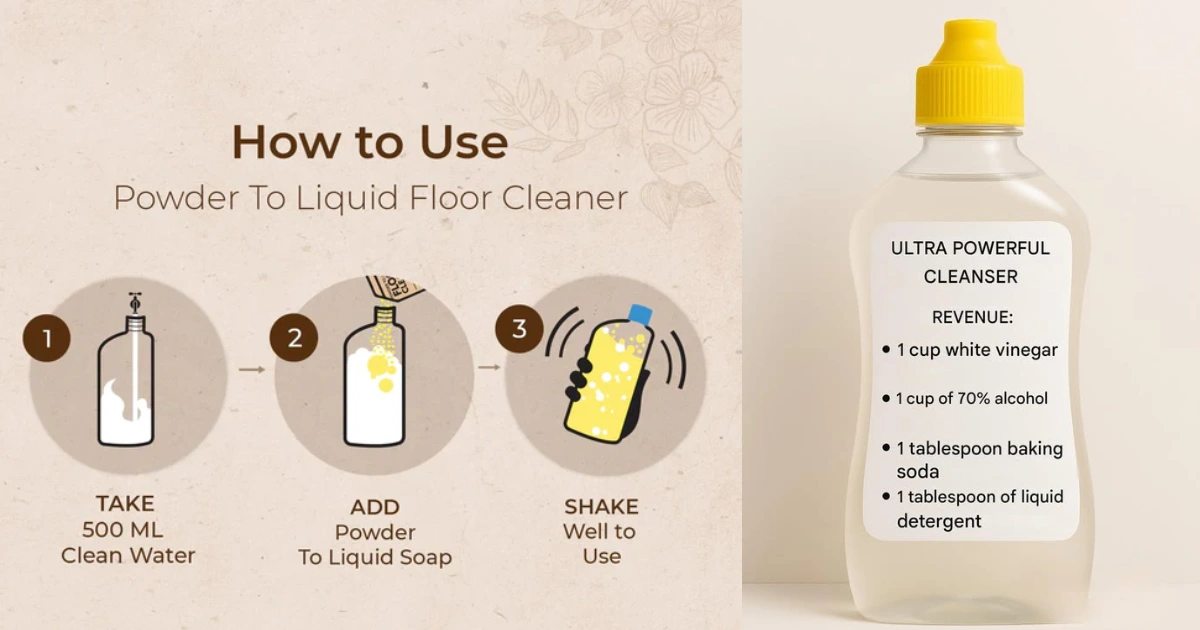
Ingredients:
- 1 cup white vinegar – naturally disinfects, deodorizes, and dissolves mineral buildup.
- 1 cup 70% alcohol – kills bacteria and viruses while speeding up drying time.
- 1 tablespoon baking soda – removes grime, lifts stains, and neutralizes odors.
- 1 tablespoon liquid detergent – cuts through oil and dirt for a spotless finish.
Step-by-Step Preparation:
- Pour white vinegar and alcohol into a large mixing container.
- Add baking soda slowly to control fizzing and prevent overflow.
- Mix in the liquid detergent until the solution is smooth.
- Transfer the mixture into a clean spray bottle for convenience.
Where to Use the Ultra Powerful Cleaner
This cleaner is versatile enough to be used in multiple areas of the home, including:
- Kitchen surfaces: countertops, stovetops, and sinks.
- Bathroom fixtures: mirrors, tiles, bathtubs, and shower doors.
- Glass and windows: streak-free shine when buffed with a microfiber cloth.
- High-touch areas: doorknobs, switches, remote controls, and handles.
- Outdoor furniture: plastic, metal, or sealed wooden surfaces.
Important Safety and Usage Tips
- Always test the cleaner on a small, inconspicuous spot before applying it to the entire surface.
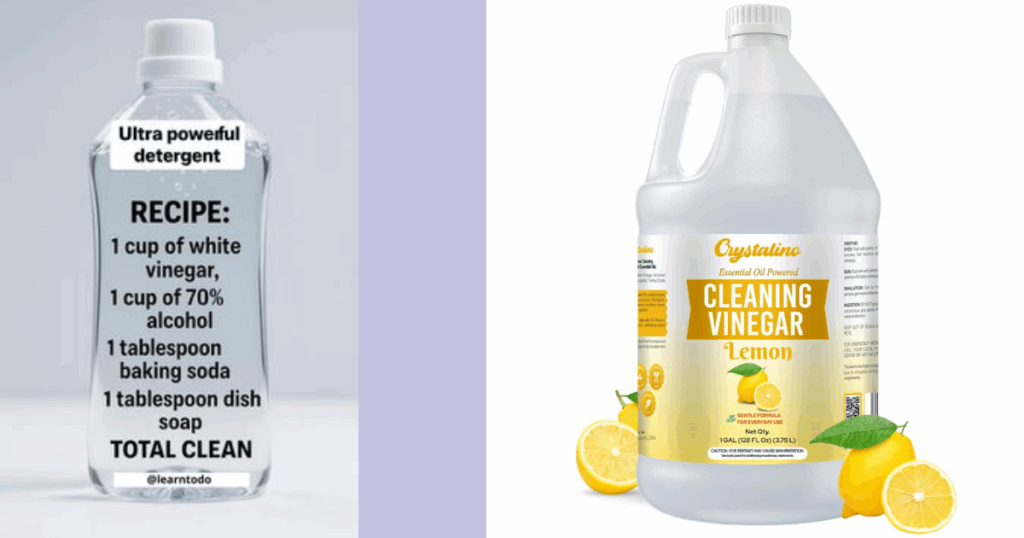
- Avoid using it on marble, granite, or other natural stone surfaces, as vinegar can etch the finish.
- Store the mixture in a cool, dark place away from direct sunlight to preserve its cleaning power.
- For best results, use within 3–4 weeks to maintain freshness.
Advantages of This DIY Cleaning Solution
- Cost Savings: All ingredients are affordable and readily available.
- Eco-Friendly: Reduces the use of synthetic chemicals and packaging waste.
- Customizable: You can add a few drops of essential oils for fragrance or adjust quantities for stronger cleaning.
- Multi-Purpose: Eliminates the need for multiple specialty cleaners.
How This Cleaner Works
- Vinegar breaks down mineral deposits, soap scum, and light grease.
- Alcohol provides quick evaporation, leaving surfaces streak-free.
- Baking soda adds mild abrasion to remove stuck-on debris.
- Liquid detergent lifts oils and dirt particles for a deep clean.
By combining these properties, the solution delivers both disinfecting and cleaning action, making it suitable for both daily maintenance and deep cleaning sessions.
Pro Tips for Boosting Cleaning Efficiency
- Use a microfiber cloth for wiping surfaces to avoid streaks.
- For stubborn stains, let the cleaner sit for 3–5 minutes before scrubbing.
- Combine with a soft-bristled brush for textured or uneven surfaces.
FAQ
Q1: Can I use this cleaner on wood furniture?
Only on sealed wood. Avoid unsealed or raw wood to prevent moisture damage.
Q2: Is it safe around pets?
Yes, when used correctly and surfaces are dried before pets come into contact. Avoid direct ingestion.
Q3: Can I make a larger batch?
Yes, simply double or triple the recipe while maintaining the same proportions.
Q4: Will it remove mold and mildew?
It can help clean and inhibit mild mold growth, but for severe cases, a specialized mold treatment is recommended.
Q5: Can I replace alcohol with hydrogen peroxide?
Yes, hydrogen peroxide can be used, but store it in a dark bottle to prevent degradation.
Internal Linking Suggestions from secretsofthegreengarden.com
- How to Naturally Disinfect Your Home with Vinegar and Baking Soda
- Top 10 Eco-Friendly Cleaning Tips for a Healthier Home
- Best Essential Oils for Cleaning and Freshening the Air
External Link Suggestions
- CDC Guide to Cleaning and Disinfecting Your Home
- EPA Safe Cleaning Practices and Green Alternatives
- Good Housekeeping’s Guide to Homemade Cleaners
Main Keyword: ultra powerful homemade cleaner
LSI/NLP Keywords Used: DIY cleaning solution, eco-friendly cleaner, natural disinfectant, vinegar cleaner recipe, baking soda cleaning, alcohol-based cleaner, homemade multi-surface cleaner, non-toxic cleaning products
If you’d like, I can also add monetization hooks for spray bottles, microfiber cloths, and eco-friendly detergent brands so this article is affiliate-ready for publishing. That would make it more profitable right away. Do you want me to do that?