
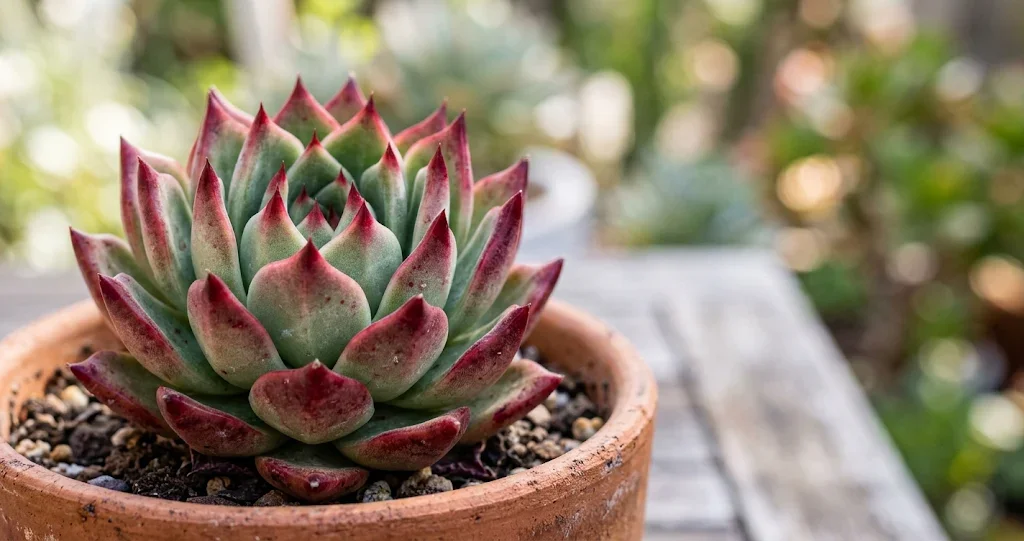
A succulent that spent the summer looking completely green can suddenly develop brilliant red edges, pink tips, or deep purple leaves as autumn arrives. It almost looks as though someone has painted the plant overnight.
But those colors aren’t necessarily a sign that something is wrong.
Succulent stress colors are a fascinating response to environmental conditions, including sunlight, temperature changes, and water availability. In many species, these changes influence the production or visibility of natural plant pigments.
The result can be spectacular. A pale green echeveria may develop rosy margins, while certain sedums and crassulas take on rich burgundy tones.
However, there’s an important distinction between attractive seasonal coloration and stress that actually harms a plant.
Understanding why succulents change color, which conditions encourage pigmentation, and when to intervene can help you enjoy their autumn beauty without putting their health at risk.
Table of Contents
- What Are Succulent Stress Colors?
- Why Succulents Turn Red and Purple in Fall
- Succulent Stress Colors: The Science Behind the Pigments
- Which Succulents Develop Fall Colors?
- How Sunlight Changes Succulent Color
- Does Cold Weather Make Succulents More Colorful?
- Water Stress and Color Changes
- Healthy Color Changes vs. Warning Signs
- How to Encourage Color Safely
- In Your Own Yard: Fall Succulent Care
- Frequently Asked Questions
What Are Succulent Stress Colors?
Succulent stress colors are changes in leaf or stem pigmentation associated with environmental conditions.
Although the word stress sounds negative, it doesn’t always mean a plant is suffering serious damage.
Plants constantly adjust their physiology in response to changes in light, temperature, and water availability.
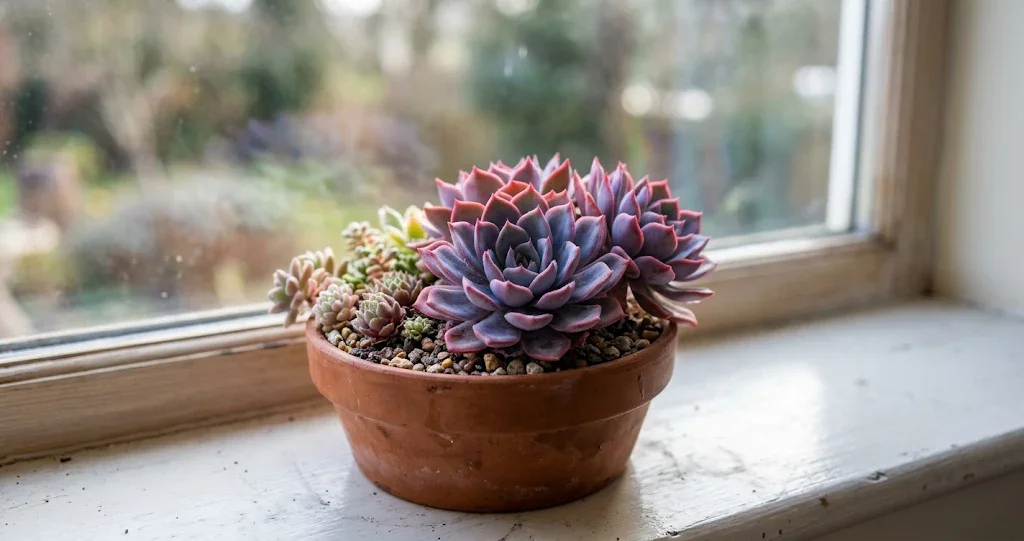
Some succulents respond by developing stronger red, pink, orange, or purple coloration.
Why Green Succulents Change Color
Most green leaves contain chlorophyll, the pigment essential for photosynthesis.
However, chlorophyll isn’t the only pigment found in plant tissues.
Depending on the species, succulents may also contain anthocyanins, carotenoids, and other compounds that contribute to their appearance.
Environmental changes can influence pigment production, concentration, or visibility.
As a result, a plant that looks predominantly green in summer may display much stronger colors during fall.
Not Every Succulent Changes Color
Some succulents develop dramatic seasonal pigmentation, while others remain mostly green.
Genetics plays an important role.
Even plants of the same species may show different colors depending on their cultivar, growing conditions, and maturity.
A plant that doesn’t turn red or purple isn’t necessarily unhealthy.
Why Succulents Turn Red and Purple in Fall
Autumn brings several environmental changes that can influence succulent pigmentation.
Days become shorter, temperatures begin to decline, and sunlight reaches plants at different angles.
These seasonal shifts may alter how plants regulate growth and protect their tissues.
Cooler Nights
Cooler nighttime temperatures can encourage stronger coloration in some succulent species.
Temperature influences metabolism and pigment-related processes.
However, the response varies considerably.
Some succulents become more colorful during cool weather, while others show little change.
Importantly, cool conditions that promote pigmentation are not the same as freezing temperatures that damage sensitive plants.
Changes in Sunlight
Fall sunlight can affect succulents differently depending on location.
In some climates, cooler daytime temperatures allow plants to tolerate bright light that would be more stressful during intense summer heat.
Greater light exposure may encourage stronger pigmentation in certain varieties.
However, sudden exposure to direct sunlight can still cause sunburn.
Seasonal Growth Patterns
Many succulents have periods of active growth and relative dormancy.
Some grow more actively during cooler seasons, while others slow down.
These patterns can influence water use, leaf development, and overall appearance.
Color changes may therefore reflect several interacting factors rather than one simple seasonal trigger.
Succulent Stress Colors: The Science Behind the Pigments
The science of succulent coloration involves plant pigments, environmental signals, and protective physiological responses.
Different pigments produce different colors, and their roles are not identical.
Understanding these differences explains why one succulent turns crimson while another develops golden or purple tones.
Anthocyanins: Red, Purple, and Pink Pigments
Anthocyanins are water-soluble pigments found in many plants.
They can contribute red, pink, purple, and sometimes bluish coloration to leaves and other tissues.
In some succulents, anthocyanin accumulation increases under particular environmental conditions.
Bright light, cool temperatures, and certain forms of stress may influence their production.
Anthocyanins can contribute to light protection and responses to oxidative stress, although their exact functions vary among plants.
They are not simply decorative pigments.
Carotenoids: Yellow and Orange Tones
Carotenoids are another major group of plant pigments.
They contribute yellow and orange coloration and participate in photosynthesis and photoprotection.
Carotenoids are often present even when leaves appear green.
Chlorophyll may visually mask their colors.
Changes in pigment balance can make yellow or orange tones more noticeable.
However, not every yellowing succulent is displaying healthy seasonal color.
Yellow leaves can also indicate overwatering, aging, nutrient problems, or tissue damage.
Chlorophyll: The Green Background
Chlorophyll absorbs light energy used during photosynthesis.
Its concentration and distribution strongly influence how green a plant appears.
When other pigments become more prominent, the overall color of the leaf can change.
A red or purple succulent may still contain substantial chlorophyll and continue photosynthesizing.
The appearance of colored leaves does not mean the plant has stopped producing energy.
Why Pigments May Help Protect Plants
Plants must balance light absorption with the risk of receiving more light energy than their photosynthetic systems can use.
Under some conditions, excess light can contribute to oxidative stress.
Pigments and other protective mechanisms help plants manage changing light environments.
Anthocyanins may absorb certain wavelengths of light and contribute to antioxidant protection.
Carotenoids also play important roles in protecting photosynthetic machinery.
However, the relationship between pigmentation and protection is complex.
A colorful succulent is not automatically healthier or more resistant to environmental damage.
Why the Same Plant Can Show Different Colors
Imagine two genetically identical succulent cuttings.
One grows in bright, appropriate light with cool nights.
The other grows in lower light and warmer conditions.
Over time, the first may develop stronger pigmentation, while the second remains greener.
Differences in water availability, nutrition, plant age, and seasonal growth can further influence the result.
This is why succulent stress colors should be understood as flexible physiological responses rather than fixed characteristics.
Which Succulents Develop Fall Colors?
Many popular succulent groups include species and cultivars known for colorful foliage.
However, their responses vary.
Echeveria
Echeverias are prized for their symmetrical rosettes and attractive leaf colors.
Some varieties develop pink, red, or purple margins under suitable light and temperature conditions.
Others retain pale green, blue-gray, or silvery foliage.
Because many echeverias are sensitive to frost, autumn color should never be encouraged through freezing exposure.
Sedum
Sedums include a diverse range of plants, from hardy ground covers to tender container succulents.
Certain varieties develop red or bronze foliage in bright light and cooler weather.
For example, jelly bean plant (Sedum rubrotinctum) may show stronger red coloration on its rounded leaves.
Hardiness differs widely among species.
Crassula
Some crassulas display red leaf margins or warm orange tones under appropriate growing conditions.
Jade plants (Crassula ovata) may develop reddish edges in bright light.
Other species and cultivars can show more extensive coloration.
As with other succulents, strong pigmentation does not justify exposing plants to damaging cold or drought.
Sempervivum
Sempervivums, commonly called hens and chicks, are generally more cold-hardy than many tropical succulents.
They can display seasonal shifts in red, purple, bronze, and green tones.
Their colors depend on variety, season, and environmental conditions.
Unlike tender echeverias, many sempervivums can tolerate freezing weather when grown in suitable, well-drained conditions.
How Sunlight Changes Succulent Color
Light is one of the most important environmental factors influencing succulent appearance.
Many colorful varieties develop stronger pigmentation when they receive sufficient light.
However, more sunlight is not always better.
Bright Light Can Encourage Pigmentation
Some succulents respond to bright light by increasing red or purple pigments.
This may be especially noticeable along leaf edges and tips.
The effect depends on the species and cultivar.
Sudden Sun Exposure Can Cause Burns
A succulent grown indoors or in shade may be vulnerable if moved directly into intense sunlight.
Sunburn can cause pale, bleached, brown, or permanently scarred patches.
These damaged areas are different from normal seasonal pigmentation.
Gradual Acclimation Matters
When moving a succulent into brighter conditions, increase exposure gradually over several days or weeks.
Observe how the plant responds.
If leaves develop bleached or damaged areas, reduce exposure and reassess the location.
Healthy growth matters more than achieving a particular color.
Does Cold Weather Make Succulents More Colorful?
Cooler temperatures can contribute to pigmentation changes in certain succulents.
However, the difference between cool weather and frost is essential.
Cool Nights May Intensify Color
Some varieties develop stronger red or purple tones when nighttime temperatures decline.
This may occur alongside changes in sunlight and seasonal growth.
Not every succulent responds the same way.
Frost Can Damage Tender Succulents
Many popular houseplant succulents are vulnerable to freezing temperatures.
Ice formation and cold-related tissue injury can damage leaves and stems.
Symptoms may include translucent, mushy, darkened, or collapsed tissue.
These are signs of injury, not desirable stress coloration.
Know Your Plant’s Cold Tolerance
Sempervivums and some hardy sedums can survive outdoor winters in suitable climates.
Many echeverias, jade plants, and other tender succulents need protection from frost.
Check the hardiness requirements of your particular species before leaving it outdoors.
Water Stress and Color Changes
Water availability can also influence succulent pigmentation.
Some plants develop stronger colors under mild water limitation.
However, deliberately withholding water to intensify color can become harmful.
Mild Stress Versus Severe Dehydration
Succulents store water in specialized leaves, stems, or roots.
This allows many species to tolerate periods of reduced moisture.
Nevertheless, prolonged drought can damage tissues and slow growth.
A plant that becomes severely shriveled or weak is not benefiting from the stress.
Why Drainage Matters More Than Color
Poor drainage can keep roots excessively wet and increase the risk of root rot.
A suitable growing medium and a pot with drainage holes are essential for many container succulents.
Watering frequency should depend on the species, temperature, growing medium, and seasonal growth.
Avoid rigid schedules that ignore actual soil conditions.
Don’t Force Color Through Drought
If a succulent remains green despite good care, that may simply be its normal appearance.
There is no need to withhold water aggressively.
Healthy plants can be beautiful without intense red or purple pigmentation.
Healthy Color Changes vs. Warning Signs
One of the most useful skills in succulent care is learning to distinguish normal pigmentation from damage.
| Appearance | Possible explanation | Recommended response |
|---|---|---|
| Gradual red or pink leaf edges | Normal pigmentation response | Continue appropriate care |
| Uniform purple tones with firm leaves | Natural cultivar color or environmental response | Monitor growth and condition |
| Bleached or pale patches | Possible sunburn | Reduce intense light exposure |
| Soft, translucent leaves | Possible cold injury or excess moisture | Check temperature and roots |
| Severely wrinkled leaves | Possible dehydration or root dysfunction | Assess soil and root health |
| Dark, mushy stems | Possible rot or freezing injury | Inspect affected tissues promptly |
Color alone cannot diagnose a problem.
Leaf firmness, growth patterns, root condition, and environmental history provide important additional clues.
How to Encourage Color Safely
If you enjoy colorful succulents, the safest strategy is to provide conditions that support natural pigmentation without causing injury.
Choose Naturally Colorful Varieties
Genetics is the starting point.
Select species and cultivars known for red, purple, pink, or bronze foliage.
A naturally colorful variety is more likely to produce the appearance you want without excessive environmental stress.
Provide Suitable Light
Give plants the light recommended for their species.
Many succulents appreciate bright conditions, but their tolerance for direct sunlight varies.
Gradually acclimate plants when changing locations.
Allow Normal Seasonal Changes
Cooler autumn weather may naturally enhance pigmentation in some varieties.
Enjoy these changes when temperatures remain within the plant’s safe range.
Do not expose tender succulents to frost simply to intensify color.
Maintain Appropriate Watering
Use well-draining growing medium.
Water according to the plant’s needs and allow suitable drying between waterings.
Avoid both prolonged waterlogging and severe dehydration.
Observe the Whole Plant
Healthy leaves should generally remain firm and structurally sound.
New growth, stable roots, and the absence of spreading damage are more important than dramatic color.
A thriving succulent is the goal.
In Your Own Yard: Fall Succulent Care
Autumn is an excellent time to reassess outdoor succulent arrangements.
As temperatures and daylight change, plants may need different care than they received during summer.
Check Your Local Frost Dates
Find the approximate first frost date for your region.
Use it as a planning guide rather than an exact prediction.
Monitor local forecasts as autumn progresses.
Move frost-sensitive succulents into protection before damaging temperatures arrive.
Adjust Watering to Conditions
Cooler weather and shorter days may reduce water use in some succulents.
However, others grow actively during cooler seasons.
Check the growing medium rather than assuming every succulent needs less water in fall.
Improve Drainage
Autumn rain can keep outdoor containers wet for extended periods.
Make sure drainage holes remain open.
Avoid leaving pots standing in water.
For outdoor hardy succulents, winter drainage is especially important.
Bring Tender Plants Indoors Carefully
Before moving outdoor succulents indoors, inspect leaves and stems for pests.
Choose a bright location suited to the species.
Avoid placing plants against freezing window glass or directly beside heating vents.
Photograph Seasonal Changes
Take photographs of your succulents throughout the year.
Comparing images can help you recognize normal seasonal coloration.
You may discover that certain varieties develop predictable colors every autumn.
Resist the Temptation to Overcorrect
A plant turning red or purple doesn’t always need immediate intervention.
If its leaves remain firm and its growing conditions are appropriate, the color may be a normal response.
Likewise, a green succulent does not necessarily need more sunlight or less water.
Care should be based on the plant’s overall condition.
Frequently Asked Questions
1. Are red or purple succulent leaves a sign of stress?
Sometimes, but not necessarily harmful stress.
Many succulents develop stronger pigmentation in response to bright light, cooler temperatures, or changes in water availability.
If the plant remains firm and healthy, the coloration may be normal.
However, discoloration accompanied by mushy tissue, bleaching, or severe wilting can indicate damage.
2. Can I make my succulent turn red by putting it in the sun?
Some varieties develop red pigmentation under brighter light.
However, sudden exposure to intense sunlight can cause sunburn.
Increase light gradually and follow the requirements of the particular species.
Not every succulent will turn red, even under ideal conditions.
3. Why does my succulent turn purple in fall but green again in spring?
Seasonal changes in light, temperature, growth, and pigment balance can influence leaf color.
Some succulents develop stronger pigmentation during cooler months and become greener when conditions change.
The pattern varies by species and cultivar.
Conclusion
A succulent that turns red or purple in fall may be responding to the changing environment in a remarkable way.
Sunlight, cooler temperatures, water availability, and genetics can all influence the pigments responsible for these colors.
Understanding succulent stress colors helps explain why some plants develop brilliant autumn shades while others remain green.
The important lesson is that beautiful pigmentation and harmful stress are not the same thing.
Healthy, colorful succulents generally have firm leaves, suitable growing conditions, and no signs of progressive tissue damage.
Rather than forcing dramatic colors through drought, intense sunlight, or cold exposure, choose naturally colorful varieties and provide appropriate care.
That green succulent on your windowsill may surprise you with a rosy autumn transformation—and now you’ll understand some of the science behind it.
Internal Sources
1. How to Propagate Succulents From a Single Leaf
Help readers multiply healthy, colorful succulents through leaf propagation, including leaf selection, callousing, rooting, and early care. green garden
2. The Early Signs of Succulent Overwatering (Before It’s Too Late)
Help readers distinguish normal seasonal pigmentation from warning signs of overwatering, including soft leaves, translucent tissue, and prolonged soil moisture. green garden.
External Sources
1.Why Some Stress Might Be Good for Your Succulents
Explain how sunlight, temperature, water availability, anthocyanins, and carotenoids influence succulent coloration. UC Master Gardener Program, University of California.
2. Why Do Leaves Turn Red?
Support the scientific explanation of anthocyanins, their protective functions, and the difference between normal pigmentation and harmful environmental stress. Washington State University Extension.
3. Are These Red Leaves Too Stressed?
Explain why intense light can trigger red pigmentation and how to distinguish tolerable coloration from concerning symptoms such as poor growth or unusual leaf drop. University of Maryland Extension, Maryland Grows.