
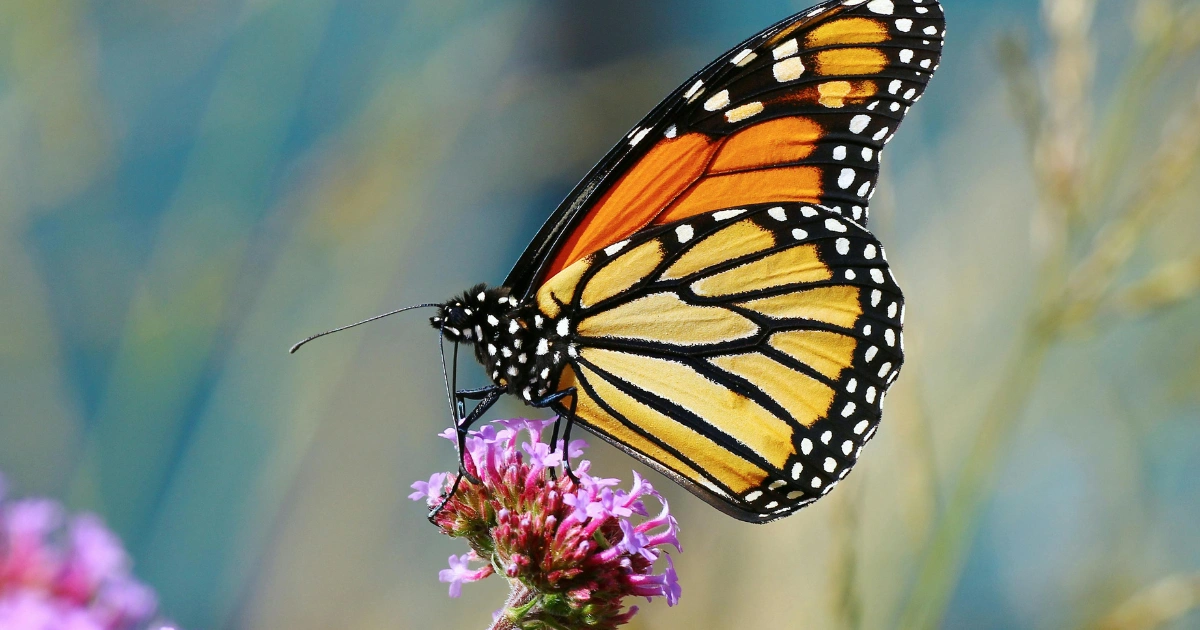
The monarch butterfly is one of the most recognizable and fascinating insects in the world. Known for its bright orange wings and remarkable migrations, the monarch undergoes a complete metamorphosis that transforms it from a tiny egg into a fully developed butterfly in just a few weeks.
Understanding the monarch butterfly life cycle helps gardeners, nature enthusiasts, teachers, and families appreciate the importance of pollinators and native plants. Each stage plays a critical role in the survival of this species, especially as monarch populations face habitat loss and environmental pressures.
What Is the Monarch Butterfly Life Cycle?
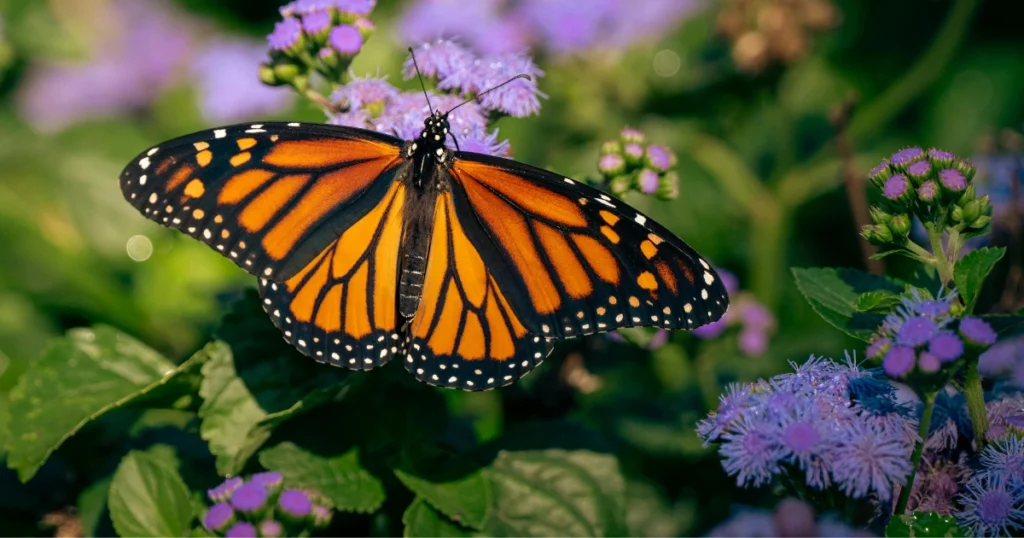
The monarch butterfly life cycle consists of four distinct stages:
- Egg
- Caterpillar (Larva)
- Chrysalis (Pupa)
- Adult Butterfly
This process is called complete metamorphosis, meaning the insect changes dramatically in appearance and behavior during development.
The full cycle typically lasts between 28 and 32 days, depending on weather conditions, food availability, and temperature.
Stage 1: Monarch Egg
The life of a monarch begins as a tiny cream-colored egg laid on a milkweed plant.
Key Facts About Monarch Eggs
- Eggs are extremely small, about the size of a pinhead
- Female monarchs lay eggs individually
- Eggs are usually attached to the underside of milkweed leaves
- The egg stage lasts about 3 to 5 days
Milkweed is essential because monarch caterpillars can only feed on milkweed leaves after hatching.
Why Milkweed Matters
Milkweed contains compounds called cardiac glycosides. These chemicals help protect monarch caterpillars and adult butterflies from predators by making them taste unpleasant.
Without milkweed, monarch butterflies cannot complete their life cycle.
Stage 2: Caterpillar (Larva)
After several days, the egg hatches into a tiny striped caterpillar.
This is the monarch’s main feeding and growth stage.
What Monarch Caterpillars Eat
Monarch caterpillars feed almost exclusively on milkweed leaves. During this stage, they eat constantly and grow rapidly.
The caterpillar stage usually lasts:
- 10 to 14 days
How Caterpillars Grow
As the caterpillar grows, it sheds its skin several times. These growth phases are called instars.
A fully grown monarch caterpillar can become nearly 2 inches long before entering the next stage.
Monarch Caterpillar Characteristics
- Black, white, and yellow stripes
- Long antenna-like filaments
- Voracious appetite
- Rapid body growth
This stage is critical because the caterpillar stores energy needed for transformation into a butterfly.
Stage 3: Chrysalis (Pupa)
Once fully grown, the caterpillar searches for a secure location to begin metamorphosis.
It attaches itself upside down and forms a jade-green chrysalis around its body.
Chrysalis Stage Duration
- Usually 8 to 10 days
Inside the chrysalis, one of nature’s most extraordinary transformations takes place.
What Happens Inside the Chrysalis?
The caterpillar’s body reorganizes completely:
- Wings develop
- Legs form
- Antennae appear
- Internal organs transform
Near the end of this stage, the chrysalis becomes transparent, revealing the orange and black butterfly inside.
Stage 4: Adult Monarch Butterfly
The adult butterfly emerges carefully from the chrysalis with soft, folded wings.
It pumps fluid into its wings and waits for them to dry before flying.
Adult Monarch Lifespan
- Summer monarchs: 2 to 6 weeks
- Migrating monarchs: up to 8 months
What Adult Monarchs Do
Adult monarch butterflies:
- Feed on flower nectar
- Pollinate plants
- Migrate long distances
- Reproduce and lay eggs
This final stage completes the cycle and begins the next generation.
The Incredible Monarch Migration
One of the most remarkable features of monarch butterflies is their annual migration.
In North America, millions of monarchs travel thousands of miles to overwintering sites in:
- Mexico
- Coastal California
Some monarchs fly over 3,000 miles during migration.
Scientists continue studying how monarchs navigate such long distances using sunlight, Earth’s magnetic field, and internal biological clocks.
Why Monarch Butterflies Are Important
Monarch butterflies are valuable pollinators and indicators of environmental health.
Their presence supports:
- Biodiversity
- Healthy ecosystems
- Native plant populations
- Pollination networks
Monarch conservation also benefits many other insects and wildlife species.
Threats Facing Monarch Butterflies
Monarch populations have declined significantly in recent decades.
Major Threats Include:
- Habitat destruction
- Loss of milkweed
- Pesticide use
- Climate change
- Extreme weather events
Conservation groups encourage people to plant native milkweed and pollinator-friendly flowers to help support monarch populations.
How to Create a Monarch-Friendly Garden
You can help monarch butterflies by creating habitat spaces in your yard or garden.
Plant Native Milkweed
Milkweed is essential for egg-laying and caterpillar feeding.
Add Nectar Flowers
Adult butterflies need nectar from flowering plants.
Good options include:
- Coneflowers
- Zinnias
- Black-eyed Susans
- Bee balm
- Lantana
Avoid Pesticides
Chemical pesticides can harm butterflies and caterpillars.
Provide Sun and Shelter
Butterflies prefer warm sunny areas protected from strong wind.
Fun Facts About Monarch Butterflies
- Monarch butterflies taste bad to predators because of milkweed toxins
- Their orange color warns birds and animals to avoid eating them
- Monarchs can recognize ideal milkweed plants for laying eggs
- A monarch’s wings are covered with tiny colorful scales
- They are among the most studied butterflies in the world
Frequently Asked Questions
How long does the monarch butterfly life cycle take?
The full life cycle usually takes about 28 to 32 days.
Why do monarch caterpillars only eat milkweed?
Milkweed provides nutrients and protective chemicals essential for survival.
How far can monarch butterflies migrate?
Some monarchs travel over 3,000 miles during migration.
Can monarch butterflies survive without flowers?
Adult monarchs need nectar from flowers for energy and survival.
What color is a monarch chrysalis?
The chrysalis is usually bright green with metallic gold markings.
Final Thoughts
The monarch butterfly life cycle is one of nature’s most fascinating transformations. From a tiny egg on milkweed to a migrating adult butterfly, every stage demonstrates the complexity and beauty of the natural world.
Protecting monarch butterflies starts with understanding their needs and preserving the habitats they depend on. Planting native flowers, reducing pesticide use, and supporting pollinator-friendly environments can help future generations continue to witness this extraordinary insect’s journey.