
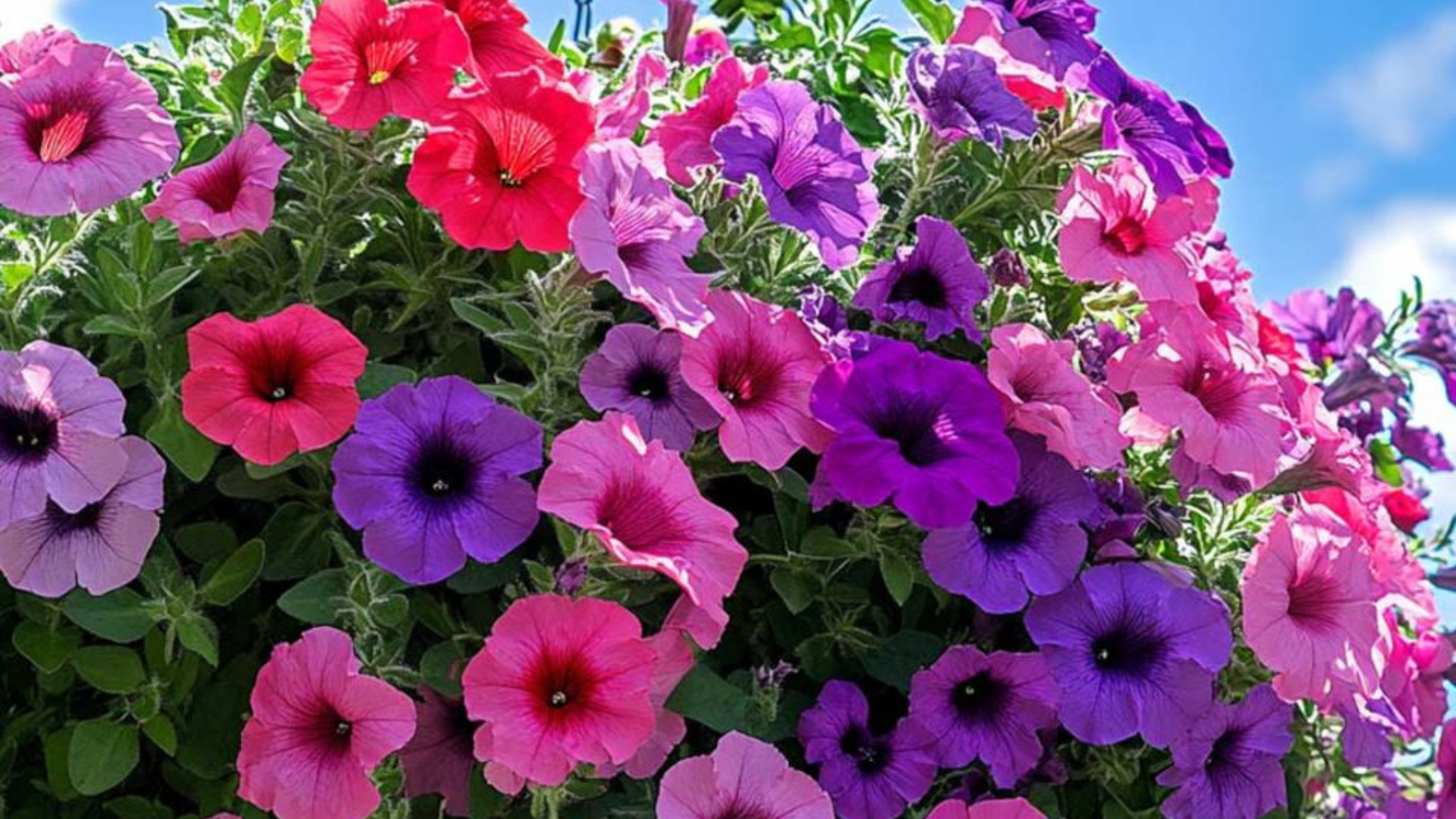
Imagine stepping into your outdoor space and being greeted by vibrant bursts of color and the sweet fragrance of flowers. Hanging flowers are a beautiful addition that can turn any porch, balcony, or garden into a lively oasis. They not only elevate the visual appeal of your environment but also improve air circulation, particularly beneficial in warmer climates. However, to keep these suspended floral arrangements thriving all summer long, it’s crucial to understand their unique needs. In this comprehensive guide, we’ll explore essential tips for caring for hanging flowers, ensuring they flourish throughout the warmer months.
Understanding the Unique Needs of Hanging Flowers
Hanging flowers have specific requirements that set them apart from ground-planted varieties. Their elevated position exposes them to the elements, which can cause the soil to dry out more quickly. Additionally, the confined space of a hanging basket limits the amount of soil and nutrients available. To ensure healthy, blooming flowers, it’s vital to consider factors such as sunlight exposure, watering frequency, soil composition, and pest management.
Key Considerations:
- Sunlight Exposure: Most hanging flowers need at least six hours of sunlight each day.
- Watering: Soil in hanging baskets tends to dry out faster, requiring consistent moisture.
- Soil Quality: Nutrient-rich, well-draining soil is essential for optimal growth.
- Pest Management: Keeping flowers healthy means being proactive about pests and diseases.
Choosing the Right Flower Varieties for a Summer Display
Selecting the appropriate flower varieties is the foundation of a successful hanging flower arrangement. Some of the best choices that thrive in warm weather and offer continuous blooms include:
- Petunias: Hardy and colorful, they thrive in sunny spots.
- Geraniums: Perfect for providing vibrant hues, these flowers love the sun.
- Fuchsias: They prefer partial shade, making them great for cooler areas.
- Calibrachoas: Known for their small, petunia-like flowers, they flourish in sunlight.
Mixing different varieties not only adds visual interest but can also help create a dynamic display.
Top 10 Tips for Thriving Hanging Flowers
Tip 1: Select the Perfect Location
The placement of your hanging baskets is vital for the health of your flowers. Most summer-blooming varieties require at least six hours of sunlight but too much direct afternoon sun can lead to wilting. Position your baskets to receive morning sun and afternoon shade, or use sheer curtains to filter harsh rays. Regularly reassess the light conditions as the seasons change.
Tip 2: Ensure Adequate Drainage
Proper drainage is crucial in preventing root rot, a common issue in hanging baskets. Make sure your baskets have adequate drainage holes. Consider adding a layer of gravel or broken pottery at the bottom to aid water flow. Always use a well-draining potting mix enriched with materials like perlite or vermiculite for optimal aeration.
Tip 3: Establish Consistent Watering Techniques
Hanging flowers demand consistent moisture, especially during hot summer days. To reduce evaporation and help plants absorb moisture efficiently, water early in the morning or late in the afternoon. Use a watering can with a long spout to gently reach the base of the plants without damaging the foliage. Always check the soil moisture by sticking your finger about an inch into the soil – if it feels dry, it’s time to water!
Tip 4: Employ Effective Fertilizing Strategies
Regular feeding is essential to promote vibrant blooms. Use a balanced, water-soluble fertilizer every two weeks to provide necessary nutrients. Alternatively, you can mix slow-release fertilizers into the soil at the start of the season for a continued nutrient supply. Be careful not to over-fertilize, as this can cause excessive foliage growth at the expense of flowers.
Tip 5: Practice Pruning and Deadheading
Pruning and deadheading are crucial for encouraging new blooms and maintaining healthy plants. Remove spent flowers and any yellowing leaves to promote new growth and prevent disease. Pinching back leggy stems helps your flowers maintain a compact and attractive shape. Use clean, sharp scissors or pruning shears to avoid harming the plants.
Tip 6: Manage Pests and Diseases
Hanging flowers are not immune to pests or diseases. Regularly inspect your plants for signs of aphids, spider mites, or fungal infections. You can introduce beneficial insects, like ladybugs, or use organic insecticidal soap to manage pest issues. Good air circulation around the plants is essential to reduce the likelihood of fungal diseases.
Tip 7: Use Mulch Wisely
Applying a layer of organic mulch on top of the soil in your hanging baskets can help retain moisture and regulate soil temperature. Consider using shredded bark or coconut coir, as they decompose