
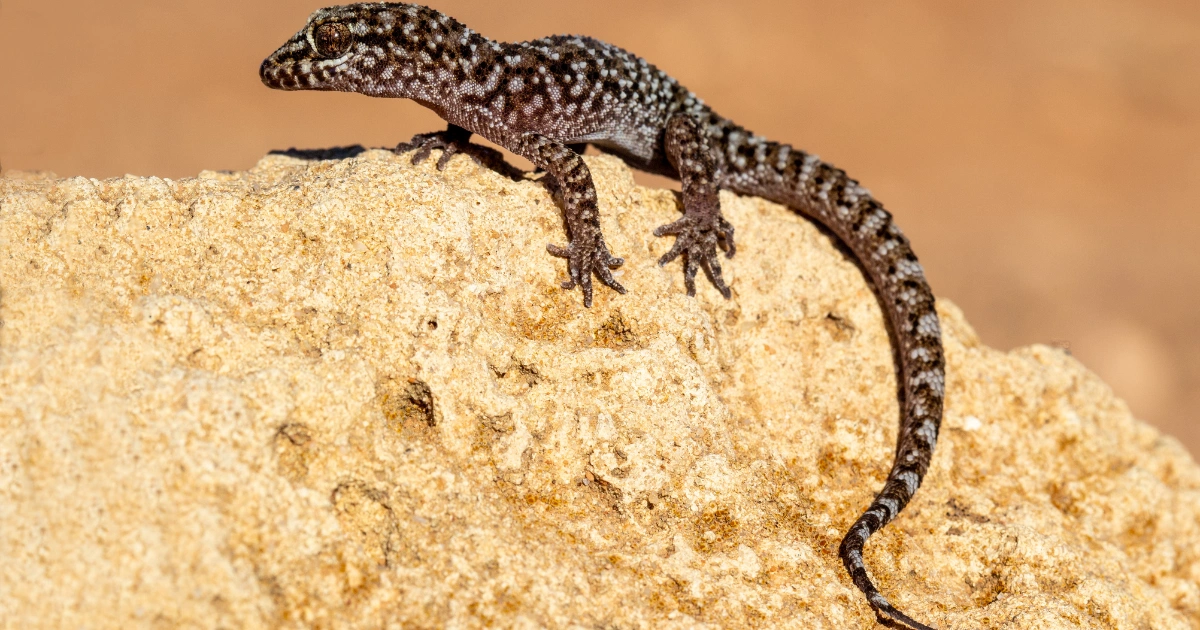
Geckos possess one of the most remarkable abilities in the animal kingdom: they can effortlessly climb walls, run across ceilings, and cling to smooth surfaces without slipping. For centuries, scientists wondered how these small reptiles could seemingly defy gravity without using sticky secretions, suction cups, or claws.
Modern research has revealed that gecko adhesion relies on an extraordinary combination of microscopic structures and molecular physics. Their climbing ability is so effective that engineers around the world are studying gecko feet to develop next-generation adhesives, robotics, and medical technologies.
Why Geckos Can Walk Upside Down
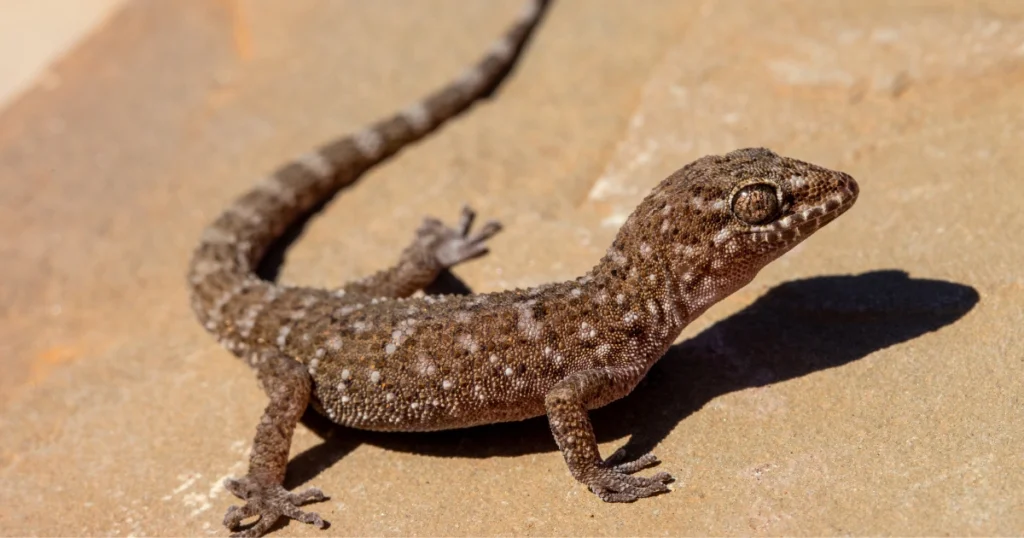
Unlike insects that use sticky fluids or animals that rely on claws, geckos use a dry adhesion system based on millions of tiny hair-like structures located on their toes.
This unique adaptation allows them to:
- Climb vertical walls
- Walk across glass
- Hang upside down from ceilings
- Move rapidly across smooth surfaces
- Detach their feet instantly when needed
The secret lies in structures too small for the human eye to see.
The Microscopic Architecture of Gecko Feet
A gecko’s foot appears relatively ordinary from a distance. Under a microscope, however, it reveals an incredibly complex design.
Each toe is covered with specialized adhesive pads containing millions of microscopic hairs known as setae.
These structures dramatically increase the amount of surface area that comes into contact with a climbing surface.
What Are Setae?
Setae are microscopic hair-like projections that cover the underside of gecko toe pads.
A single gecko can possess millions of these tiny structures.
Their primary functions include:
- Maximizing surface contact
- Distributing body weight
- Creating molecular attraction
- Enhancing grip on smooth materials
The sheer number of setae allows geckos to generate remarkable adhesive forces without using glue.
The Role of Spatula-Shaped Tips
The story becomes even more fascinating at the nanoscale level.
Each seta branches into hundreds of even smaller structures ending in flattened tips called spatulae.
These spatula-shaped endings are incredibly thin and flexible, allowing them to conform closely to microscopic irregularities on surfaces.
By increasing contact at the molecular level, spatulae create the conditions necessary for gecko adhesion.
Van der Waals Forces: The Physics Behind Gecko Adhesion
The primary mechanism responsible for gecko climbing is known as van der Waals forces.
These are weak intermolecular attractions that occur between molecules when they are extremely close together.
Individually, van der Waals forces are very small. However, when millions of spatulae make contact simultaneously, the combined attraction becomes strong enough to support the gecko’s entire body weight.
This means geckos do not stick to surfaces using:
- Glue
- Suction
- Sticky liquids
- Magnetic forces
Instead, they rely on molecular interactions occurring at microscopic distances.
How Strong Is Gecko Adhesion?
Scientists have measured the adhesive capabilities of gecko feet and found them to be surprisingly powerful.
Research suggests that the collective force generated by millions of setae can support many times a gecko’s body weight.
This allows geckos to:
- Accelerate rapidly on vertical surfaces
- Navigate ceilings safely
- Maintain grip during sudden movements
- Recover quickly from slips
Despite this impressive strength, gecko adhesion remains reversible and highly controllable.
How Geckos Detach Their Feet So Easily
One of the greatest mysteries surrounding geckos was not how they stick, but how they unstick.
If their adhesion is so strong, why don’t they become permanently attached to surfaces?
The answer lies in toe positioning.
The Importance of Toe Angle
Geckos can control adhesion by changing the angle of their toes relative to the surface.
When they flatten their toe pads, maximum contact occurs and adhesion increases.
When they curl or peel their toes away, contact rapidly decreases and the adhesive forces disappear.
This mechanism allows geckos to:
- Attach instantly
- Release instantly
- Run at high speeds
- Change direction efficiently
Their feet function much like reusable molecular switches.
Why Gecko Feet Stay Clean
Most adhesives lose effectiveness when exposed to dirt and dust.
Gecko feet possess a remarkable self-cleaning ability that helps maintain their performance.
Researchers believe that:
- Dust particles adhere weakly to the setae.
- Contact with surfaces removes contaminants.
- The structure of the toe pads naturally resists clogging.
This self-cleaning property contributes significantly to the durability of gecko adhesion.
Evolution of an Extraordinary Climbing System
Geckos have been refining their climbing abilities for millions of years through evolution.
Natural selection favored individuals capable of:
- Escaping predators
- Accessing new food sources
- Reaching elevated habitats
- Navigating challenging environments
Over time, increasingly sophisticated adhesive structures evolved, resulting in one of nature’s most efficient climbing systems.
Today, geckos inhabit a wide range of environments, from tropical forests to deserts and urban landscapes.
How Engineers Are Copying Gecko Feet
The study of gecko adhesion has inspired an entire field of biomimetic engineering.
Scientists are attempting to replicate gecko-inspired adhesion for practical applications.
Potential uses include:
Advanced Adhesives
Dry adhesives modeled after gecko feet could replace traditional glues in certain applications.
Medical Technology
Researchers are exploring surgical tapes and medical devices that use gecko-inspired attachment systems.
Robotics
Wall-climbing robots designed for inspections, maintenance, and rescue operations often draw inspiration from gecko feet.
Space Exploration
Gecko-inspired gripping technologies may help astronauts handle objects in low-gravity environments.
The ability to create strong, reusable, residue-free adhesives remains a major engineering goal.
Common Myths About Gecko Adhesion
Myth: Geckos Use Suction Cups
Geckos do not generate suction. Their adhesion works even in conditions where suction would be ineffective.
Myth: Gecko Feet Are Sticky
Their feet feel surprisingly dry. No glue or sticky substance is involved.
Myth: Claws Are Responsible
While claws help on rough surfaces, smooth-surface climbing relies primarily on adhesive toe pads.
Myth: Gravity Doesn’t Affect Geckos
Gravity still acts on geckos. Their specialized adhesion system simply provides enough force to overcome it.
Frequently Asked Questions
How do geckos stick to walls?
Geckos use millions of microscopic hairs called setae that create van der Waals forces between their feet and the surface.
Do geckos use glue to climb?
No. Gecko adhesion relies entirely on molecular attraction rather than sticky substances.
Can geckos walk on glass?
Yes. Glass provides an ideal smooth surface for gecko toe pads to maximize contact.
Why don’t geckos get stuck permanently?
They control adhesion by adjusting the angle of their toes, allowing rapid attachment and detachment.
Are scientists copying gecko feet?
Yes. Researchers are developing gecko-inspired adhesives, robots, medical devices, and industrial technologies.
Conclusion
Gecko adhesion represents one of nature’s most impressive engineering achievements. Through millions of microscopic setae, nanoscale spatulae, and the power of van der Waals forces, geckos can perform feats of climbing that seem almost impossible.
What appears to be effortless wall-walking is actually the result of highly specialized biological structures operating at the molecular level. As scientists continue to study gecko feet, these remarkable reptiles may help inspire the next generation of adhesives, robots, and advanced technologies.
Internal Linking Suggestions
For SecretsoftheGreenGarden.com, consider linking to:
- “Amazing Animal Adaptations Found in Nature”
- “How Insects and Reptiles Survive Extreme Environments”
- “The Science Behind Animal Climbing Abilities”
External Linking Suggestions
Use reputable sources such as:
- Smithsonian National Museum of Natural History
- Harvard University Department of Organismic and Evolutionary Biology
- National Geographic wildlife research resources