
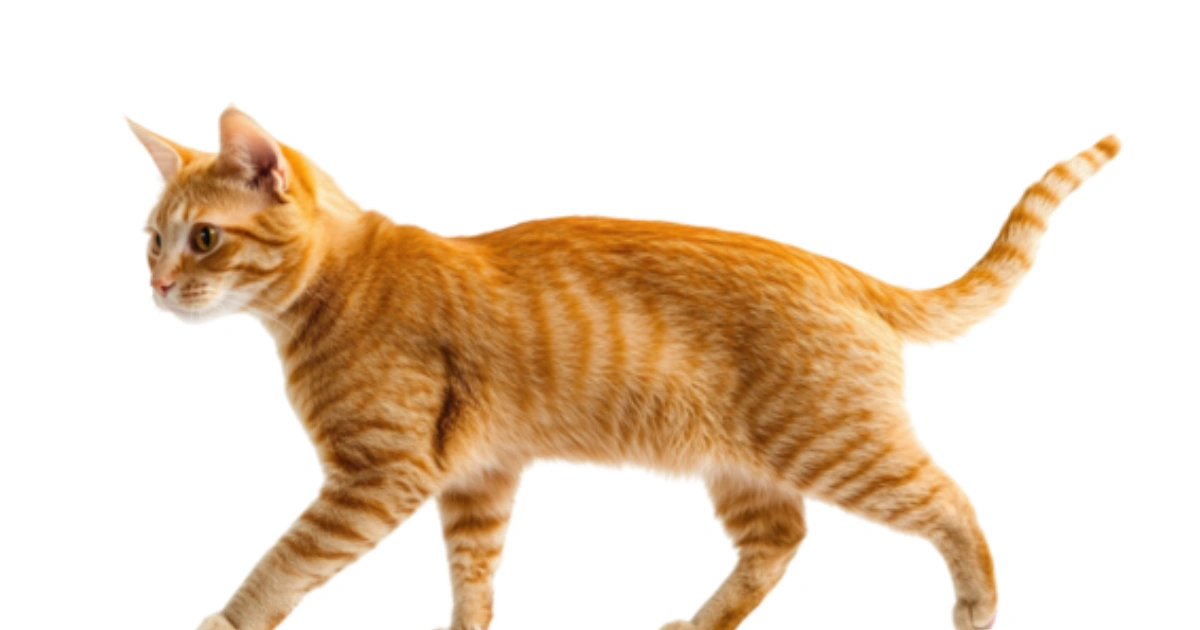
Cats are known for their independence and curiosity, but perhaps their most fascinating ability is their uncanny skill at finding their way home. Stories of lost cats traveling dozens, even hundreds of miles back to their original homes have been recorded for centuries. This mysterious phenomenon, often called the homing instinct in cats, continues to intrigue both scientists and pet owners, blurring the line between instinct and the unknown.
The Science Behind the Homing Instinct
The leading theory among researchers is that cats possess an internal magnetic compass, similar to that of migratory birds and sea turtles. This sense, often referred to as magnetoreception, allows them to detect and navigate using the Earth’s magnetic field.
Alongside this extraordinary trait, cats also have a powerful sense of smell. By picking up familiar scents from their environment, from people they know to the natural odors clinging to their fur, cats can follow a trail back toward home. Combined, these abilities help them build a mental map of their surroundings—an invisible guide that enables them to travel vast, unfamiliar landscapes with precision.
The Role of Memory and Attachment
Beyond instinct, emotional bonds also play a role. Cats deeply attached to their home environment or human companions are more likely to attempt long journeys back. Their strong connection to territory, routine, and familiar scents reinforces their determination to return.
This reveals a side of feline behavior that challenges the stereotype of cats as purely aloof and independent. While they value freedom, they also demonstrate surprising loyalty when “home” calls to them.
Historical Significance of Feline Navigation
Accounts of cats returning home have been documented throughout history. Sailors’ cats were often reported to find their way back to port cities after being separated at sea. During wartime, displaced families sometimes reunited with their pets when cats managed to cross destroyed landscapes and chaotic environments.
These stories highlight not only the resilience of cats but also the enduring cultural connection between humans and felines. Their ability to navigate has long been celebrated as a symbol of both mystery and devotion.
Possible Explanations for the Phenomenon
While the exact mechanism remains uncertain, several factors likely work together:
- Magnetic sensitivity: Detecting the Earth’s magnetic field for orientation.
- Olfactory cues: Following familiar smells, such as plants, soil, or even human scent trails.
- Auditory awareness: Recognizing familiar sounds in the environment, like voices or neighborhood noises.
- Strong memory: Remembering landmarks, paths, and patterns from their environment.
The combination of these skills makes cats natural navigators, even without human assistance.
What Pet Owners Can Learn
Although the idea of a cat traveling miles to return home is awe-inspiring, it also serves as a reminder to protect pets from the dangers of wandering. Traffic, predators, and human hazards can put them at risk. For safety, pet owners should:
- Provide indoor enrichment to reduce the urge to roam.
- Use collars with identification tags.
- Consider microchipping for easier reunions.
- Create a secure outdoor enclosure if cats enjoy time outside.
Understanding their navigation abilities doesn’t mean relying on them—it means respecting their instincts while prioritizing safety.
FAQs About Cats Finding Their Way Home
1. How far can a cat travel to return home?
Some cats have been reported to travel up to 100 miles, though most remain within a few miles of their territory.
2. Do all cats have a homing instinct?
Most cats possess it to some degree, but it varies by personality, environment, and the strength of their bond with home.
3. Can indoor cats find their way back if lost?
Indoor cats may struggle more since they are less familiar with outdoor landmarks, but strong instincts can still guide them.
4. Is magnetoreception proven in cats?
It has not been conclusively proven, but studies suggest cats, like birds and turtles, may detect magnetic fields.
5. How can I help my cat if it gets lost?
Search nearby areas quickly, leave familiar scents like a blanket or litter box outside, and alert neighbors and shelters.
Conclusion
The homing instinct in cats remains one of the most remarkable mysteries of the animal kingdom. Through a mix of magnetic sensitivity, scent tracking, memory, and emotional attachment, cats demonstrate an ability that seems almost supernatural. For pet owners, this phenomenon deepens the appreciation for the complex relationship between humans and cats—an enduring bond built on both independence and loyalty.
Whether explained by science or wonder, the fact remains: when home calls, cats will do everything in their power to return.
SEO & Linking Notes
- Main keyword: homing instinct in cats
- LSI/NLP keywords used: cat navigation, how cats find their way home, feline magnetoreception, lost cat behavior, cats returning home, animal navigation, cat senses, territorial cats
- Internal link suggestions (from secretsofthegreengarden.com):
- “Understanding Animal Instincts in Your Garden”
- “The Hidden Senses of Pets and Wildlife”
- “How to Create a Safe Outdoor Space for Cats”
- External link suggestions: