
Primary Keyword: How a Spider Builds a Web
Discover how a spider builds a web from scratch using an extraordinary sequence of engineering behaviors. Learn how different silk types serve unique purposes, why orb webs are so effective, and how these intricate structures help spiders catch prey while conserving energy.
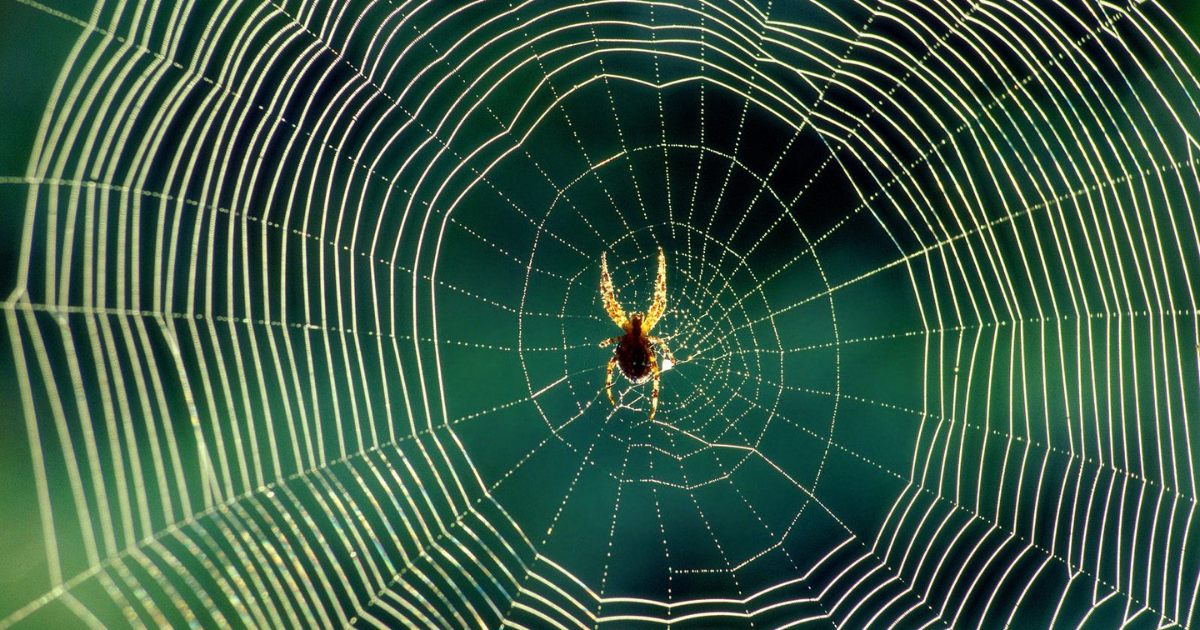
A spider’s web may look delicate, but it is one of nature’s most impressive engineering achievements. Built entirely from silk produced by the spider itself, an orb web combines strength, flexibility, and efficiency in a design that has evolved over millions of years.
Rather than weaving randomly, web-building spiders follow a remarkably organized process. Each strand is placed in a specific order, creating a structure capable of absorbing the impact of flying insects while remaining lightweight and easy to repair.
Why Do Spiders Build Webs?
For many spider species, a web serves as both a hunting tool and a sensory network.
Instead of actively chasing prey, web-building spiders rely on sticky silk strands to capture flying insects. Vibrations traveling through the web alert the spider when prey has become trapped, allowing it to quickly locate and secure its next meal.
Not all spiders build webs, however. Many species actively hunt on the ground or among vegetation instead.
Step 1: Creating the Bridge Thread
The process begins with a single silk strand known as the bridge thread.
The spider releases a fine silk filament into the air and waits for the wind to carry it until it attaches to a nearby branch, fence, wall, or plant. If the first attempt fails, the spider simply tries again.
Once the silk is anchored, the spider carefully crosses the line, reinforcing it with additional silk to create a stronger bridge.
Step 2: Building the Outer Frame
With the bridge thread complete, the spider constructs the web’s outer framework.
Additional silk strands are attached between nearby anchor points, forming the boundary that supports the rest of the web. This frame acts much like the foundation of a building, providing stability for every strand added afterward.
The size and shape of the frame often depend on the surrounding vegetation or available structures.
Step 3: Adding the Radius Threads
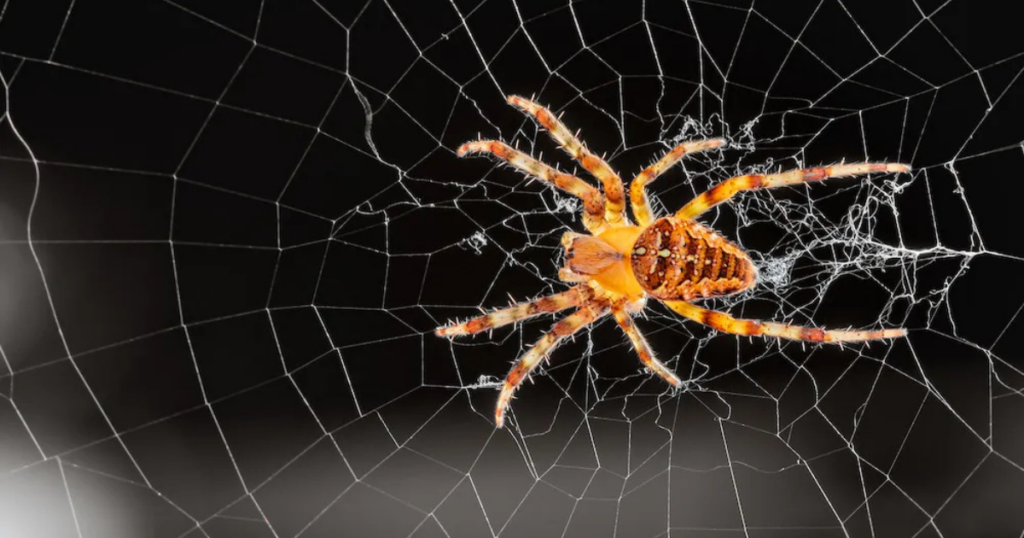
Next, the spider creates a series of straight lines extending from the center of the web to the outer frame.
These radius threads, often called spokes, provide structural support similar to the spokes of a bicycle wheel.
Each thread helps distribute tension across the web, making the entire structure surprisingly resilient despite its delicate appearance.
Step 4: Spinning a Temporary Spiral
Before constructing the capture spiral, the spider builds a temporary non-sticky spiral.
This scaffold helps maintain even spacing between the radius threads while giving the spider a stable path to walk across during construction.
Because these strands are only temporary, they are removed or replaced later in the process.
Step 5: Weaving the Sticky Capture Spiral
The final hunting surface is created using a specialized silk coated with tiny sticky droplets.
Starting near the edge of the web, the spider slowly spirals inward, replacing the temporary scaffold with the permanent capture spiral.
This sticky silk is designed to trap flying insects while remaining flexible enough to absorb the energy of impact without breaking.
Step 6: Completing the Web
Once the sticky spiral reaches the center, the web is essentially finished.
Many orb-weaving spiders then move to the hub or hide nearby while remaining connected to the web by a signal line. From there, they can detect even the smallest vibrations caused by trapped prey.
Under favorable conditions, an experienced spider can complete an orb web in less than an hour.
Why Spider Silk Is So Remarkable
Spider silk is one of the most fascinating natural materials known to science.
Depending on its purpose, different silk glands produce fibers with unique properties.
Spider silk can be:
- Lightweight
- Extremely flexible
- Highly resistant to breaking
- Elastic enough to absorb impact
- Biodegradable
Different strands within a single web may serve completely different functions, including structural support, prey capture, egg protection, or movement.
Do Spiders Rebuild Their Webs?
Many orb-weaving spiders rebuild or repair their webs regularly.
Some species construct an entirely new web every evening, while others simply replace damaged sections.
Recycling silk helps conserve energy. In many cases, spiders consume portions of their old web before producing fresh silk for the next one.
Factors That Affect Web Construction
Several environmental conditions influence how successfully a spider builds its web.
These include:
- Wind strength
- Humidity
- Rainfall
- Available anchor points
- Presence of prey
- Predators and disturbances
A damaged web can often be repaired much faster than building a completely new one.
Frequently Asked Questions
How long does it take a spider to build a web?
Many orb-weaving spiders can complete a web in 30 to 60 minutes, although larger webs or challenging conditions may require more time.
Do all spiders build webs?
No. While many species use webs for hunting, others actively stalk or ambush their prey without constructing webs.
Why don’t spiders get stuck in their own webs?
Spiders avoid most sticky strands by walking on the non-sticky structural threads. Their legs also have specialized hairs and coatings that help reduce adhesion.
Why do spiders sometimes rebuild their webs every day?
Daily rebuilding removes damaged silk, restores the web’s effectiveness, and allows the spider to recycle valuable silk proteins.
Are spider webs stronger than steel?
Spider silk is often described as being extremely strong for its weight. While some types of silk can rival the tensile strength of steel by weight, they are very different materials with different mechanical properties.
Final Thoughts
Watching how a spider builds a web reveals one of nature’s most sophisticated examples of biological engineering. From the first bridge thread to the final sticky spiral, every step follows a carefully organized sequence that maximizes strength, efficiency, and prey capture.
These remarkable structures demonstrate how even small creatures can produce highly effective designs using minimal materials. Understanding the web-building process also highlights the important ecological role spiders play by naturally helping control insect populations.
SEO Information
Primary Keyword: How a Spider Builds a Web
Related Keywords:
- Spider web construction
- Orb-weaver spider
- Spider silk
- Spider web engineering
- How spiders make webs
- Orb web
- Spider behavior
- Natural pest control
Internal Linking Suggestions (secretsofthegreengarden.com)
- Beneficial Garden Spiders Every Gardener Should Know
- Natural Ways to Encourage Wildlife in Your Garden
- How Pollinators and Predators Keep Gardens Healthy
External Linking Suggestions
- Smithsonian National Museum of Natural History – Spider Biology
- University of California Integrated Pest Management – Spiders
- National Geographic – Spider Behavior and Silk
Meta Description: Learn how a spider builds a web from scratch, from the first bridge thread to the final sticky spiral. Discover the science behind spider silk, orb webs, and nature’s remarkable engineering.