
When it comes to quick meals, sandwiches are one of the most popular choices. But the toppings you choose can make a big difference in how satisfying and balanced your meal is. Instead of focusing on misleading claims like “adds belly” or “removes belly,” it is more helpful to understand which options support better nutrition.
In this guide, you will learn how to build smarter meals using healthy sandwich toppings, along with practical tips for balance, satiety, and long-term habits.
Why Sandwich Toppings Matter
Bread is often neutral, but toppings can significantly change the nutritional profile of a meal. Some options are high in saturated fats and processed ingredients, while others provide protein, fiber, and essential nutrients.
Choosing the right healthy sandwich toppings can help:
- Improve satiety
- Support balanced energy levels
- Reduce excess calorie intake
- Add valuable nutrients
Toppings to Limit (Highly Processed and High-Fat Options)
Some common sandwich additions are best enjoyed occasionally rather than daily.
Examples:
- Butter
- Mayonnaise (especially in large amounts)
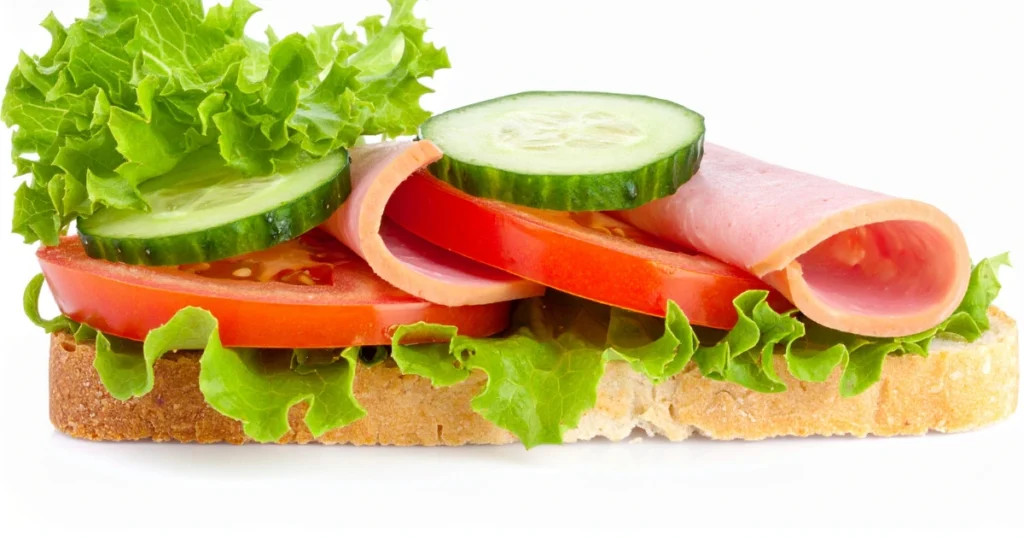
- Processed meats like salami
- Processed cheese slices
- Pâté
Why Limit Them?
These options are often:
- High in saturated fats
- Calorie-dense
- Low in fiber
- Highly processed
They can still be included in moderation, but portion control is important.
Better Choices: Protein-Rich and Nutrient-Dense Options
Replacing heavy spreads with more balanced ingredients can improve both nutrition and satisfaction.
Examples of Healthy Sandwich Toppings:
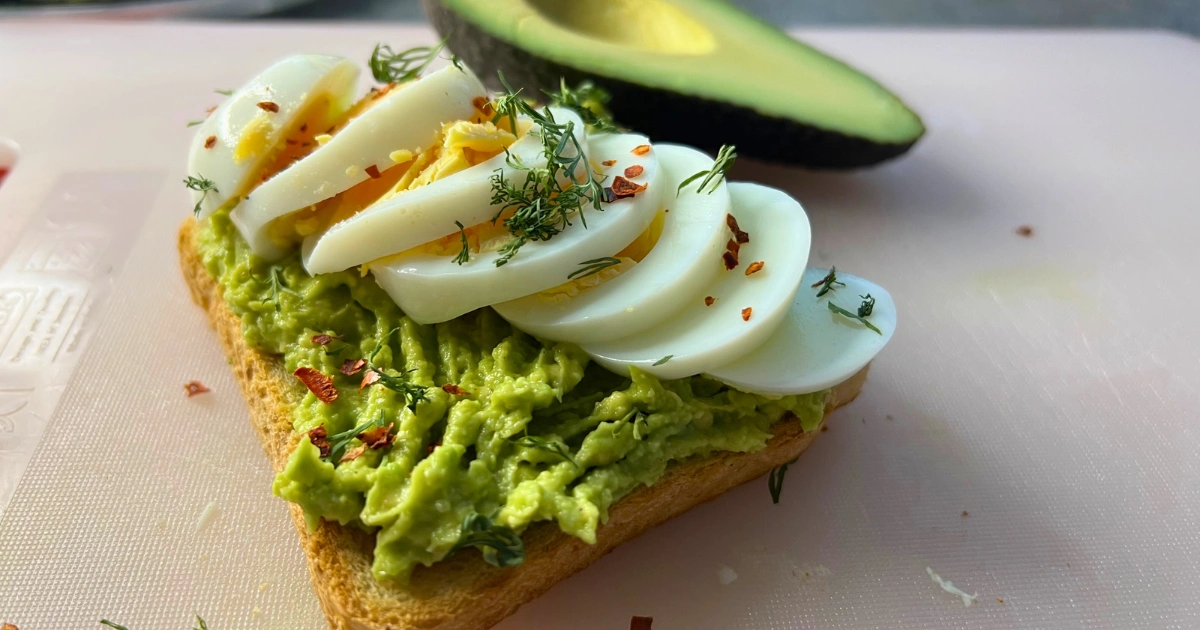
- Boiled eggs
- Cottage cheese
- Grilled or roasted chicken
- Tuna (preferably in water)
- Hummus
Benefits:
These options provide:
- High-quality protein
- Better satiety
- Fewer processed ingredients
- Balanced macronutrients
Using healthy sandwich toppings helps keep you full longer and reduces unnecessary snacking.
How to Build a Balanced Sandwich
A healthy sandwich is not just about removing ingredients—it is about combining them wisely.
Ideal Structure:
- Base: whole grain bread
- Protein: chicken, eggs, tuna, or cottage cheese
- Healthy fats: hummus or small amounts of olive oil
- Vegetables: lettuce, cucumber, tomato, greens
This combination creates a more complete and satisfying meal.
Practical Tips for Smarter Choices
To make better use of healthy sandwich toppings, keep these tips in mind:
- Choose whole, minimally processed foods
- Watch portion sizes of high-fat spreads
- Add vegetables for volume and nutrients
- Prioritize protein for satiety
- Balance flavor without relying on heavy sauces
Common Misconceptions About Food and Weight
It is important to clarify that no single food directly causes or reduces belly fat on its own.
Weight changes depend on:
- Overall calorie intake
- Daily activity levels
- Long-term eating habits
Switching to healthy sandwich toppings supports better habits, but consistency matters more than individual ingredients.
Easy Healthy Sandwich Ideas
Here are a few balanced combinations:
- Whole grain bread + chicken + avocado + lettuce
- Cottage cheese + cucumber + herbs
- Tuna + olive oil + tomato slices
- Egg slices + spinach + light spread
- Hummus + roasted vegetables
These combinations are simple, nutritious, and satisfying.
FAQ: Healthy Sandwich Toppings
Do certain foods reduce belly fat?
No single food targets belly fat. A balanced diet and lifestyle are key.
Is mayonnaise always unhealthy?
It can be included in small amounts, but frequent large portions may increase calorie intake.
What is the best protein for sandwiches?
Chicken, eggs, tuna, and cottage cheese are all excellent options.
Can I still eat processed meats?
Yes, but it is best to limit them and not rely on them daily.
How can I make my sandwich more filling?
Add protein, fiber-rich vegetables, and whole grain bread.