
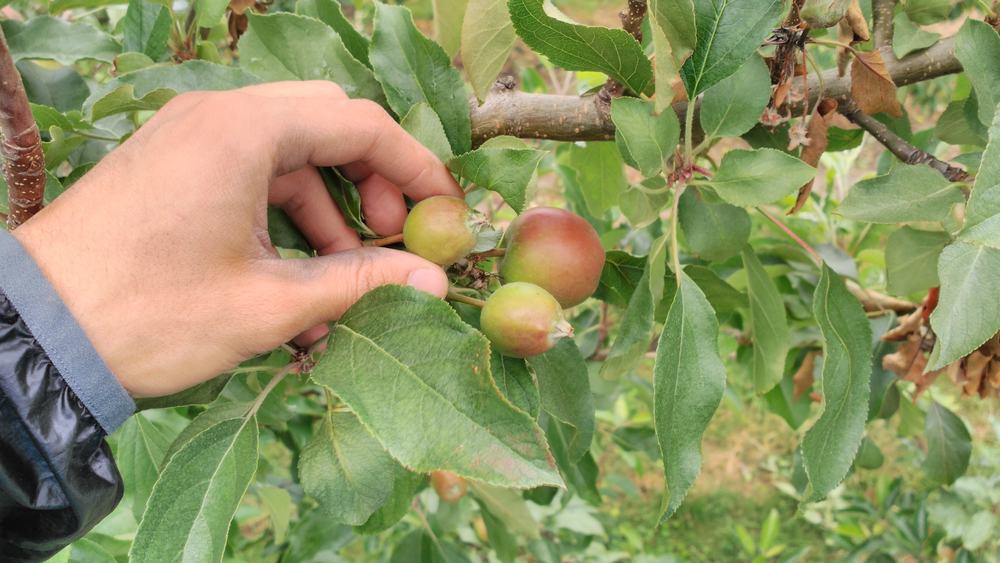
Fruit thinning is an essential practice for gardeners growing a variety of fruit trees, including apples, pears, plums, peaches, and nectarines. This technique plays a crucial role in enhancing the size and quality of the fruit by removing excess produce that could otherwise diminish the overall harvest. When fruit trees bear too many fruits under ideal conditions, it can lead to smaller, lower-quality yields. Thus, it is vital to act during the early to mid-summer months to achieve optimal results.
There are several key reasons for implementing fruit thinning:
– Improved fruit size and quality: By removing surplus fruits, the tree can focus its energy on the remaining fruits, leading to larger and more flavorful results.
– Prevention of overloading: An excessive number of fruits can strain branches and may even lead to breakage.
– Enhanced air and light penetration: A balanced distribution of fruit allows for uniform ripening and better airflow throughout the tree.
– Support for tree growth: Fewer fruits mean less stress on the tree, promoting healthier growth and better flowering in the following season.
The best time for fruit thinning typically occurs after the “June drop,” a natural shedding of immature fruits. Experienced gardeners often recommend thinning the remaining fruits at this time, while novice gardeners might start thinning after the June drop to improve their technique.
The thinning technique varies by fruit type. For example, cooking apples generally require stricter thinning than dessert apples. When it comes to peaches and nectarines, it is advisable to initially thin fruits to a distance of about 10 cm and then further reduce them to 20-25 cm for optimal outcomes.
By properly applying fruit thinning, gardeners can significantly enhance the quality of their harvest while promoting the health of their fruit trees. If you’re looking to ensure a bountiful and delicious harvest this year, do not overlook the importance of fruit thinning! 🌳🍒