
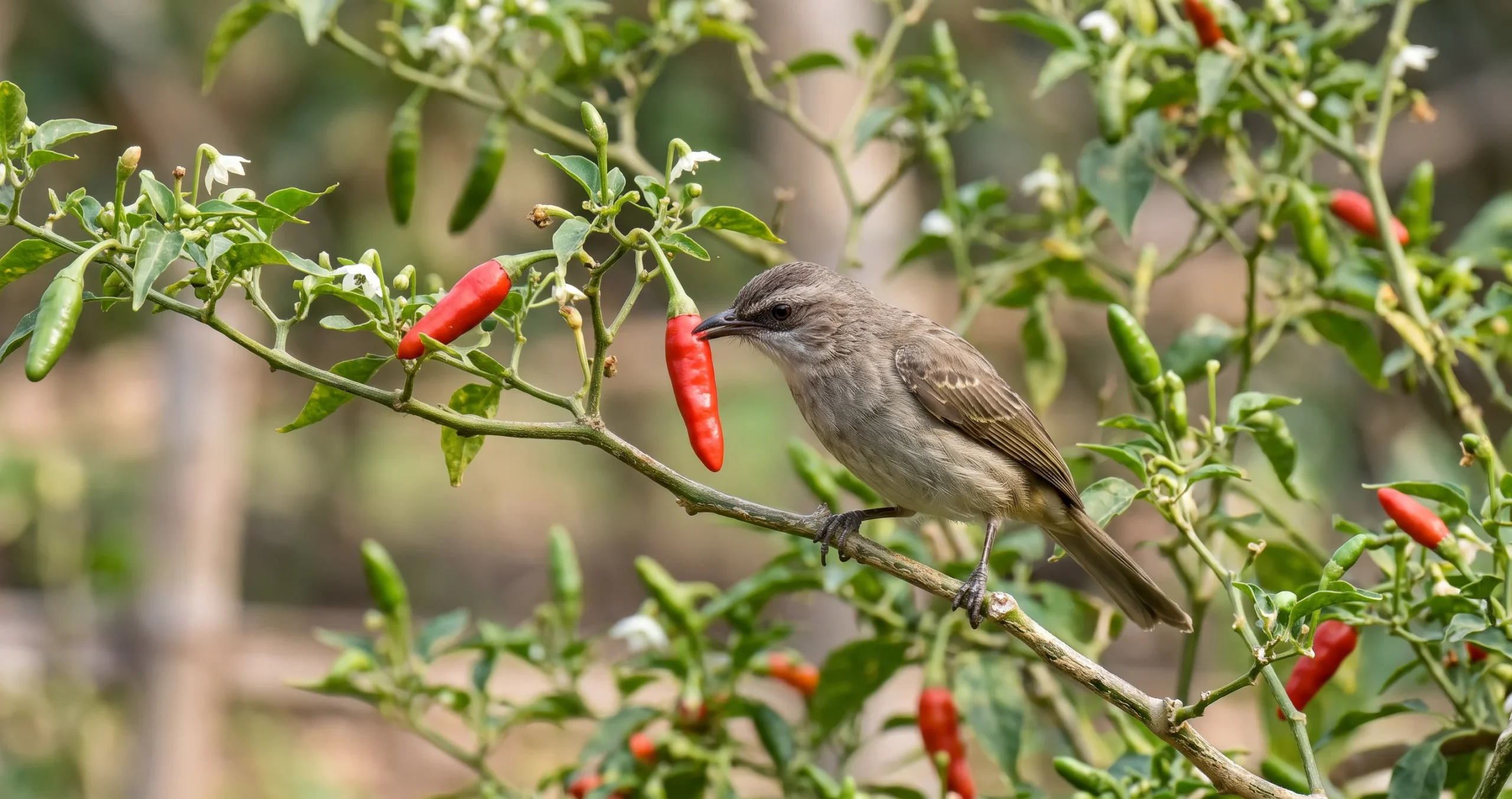
A wild bird can swallow a fiery red chili pepper without reacting to the burning sensation that would make most humans reach for water. This surprising relationship between birds and chili peppers reveals an extraordinary adaptation in nature.
Unlike humans and many mammals, birds have sensory receptors that are much less sensitive to capsaicin, the compound responsible for chili pepper heat.
This difference plays an important role in seed dispersal. Some birds eat wild chili peppers, swallow their seeds, and carry them to new locations, helping pepper plants reproduce.
Understanding why birds don’t feel chili heat reveals a fascinating connection between plant chemistry, animal biology, and evolution.
Table of Contents
- Why Chili Peppers Taste Hot to Humans
- Birds and Chili Peppers: The Science Behind Heat Resistance
- How Birds Help Chili Peppers Spread Their Seeds
- Why Chili Peppers Evolved Chemical Defenses
- Which Birds Eat Chili Peppers?
- How Pepper Seeds Survive Digestion
- What This Relationship Reveals About Evolution
- In Your Own Yard: Growing Peppers and Supporting Birds
- Common Misconceptions About Birds and Chili Peppers
- Frequently Asked Questions
- Conclusion
Why Chili Peppers Taste Hot to Humans
Chili peppers belong to the genus Capsicum, a group of flowering plants native to the Americas.
Their fruits contain compounds called capsaicinoids, which create the familiar sensation of heat.
Capsaicin Is Not Actually Heat
When someone eats a hot pepper, the mouth does not suddenly become hotter.
Instead, capsaicin activates sensory nerve receptors involved in detecting potentially harmful heat.
One important receptor is called TRPV1.
In humans and many other mammals, capsaicin can activate TRPV1, producing a burning sensation.
The brain interprets this signal as heat-related discomfort, even though the pepper itself is not unusually hot.
Why Some Peppers Burn More Than Others
Different pepper varieties contain different concentrations of capsaicinoids.
Bell peppers generally lack the pungency associated with hot chili varieties.
Jalapeños, cayenne peppers, and habaneros contain varying amounts of these compounds.
Growing conditions, fruit maturity, and genetics can also influence pungency.
Capsaicinoids are produced primarily in specialized tissues associated with the placenta, the internal structure to which seeds attach.
The seeds themselves are not the main site of capsaicin production, although their surfaces may become coated with it.
Birds and Chili Peppers: The Science Behind Heat Resistance
The unusual relationship between birds and chili peppers begins with differences in sensory biology.
Birds and mammals both possess receptors involved in detecting temperature and potentially damaging stimuli.
However, those receptors do not always respond to the same chemicals.
How the TRPV1 Receptor Works
TRPV1 is a protein found in certain sensory nerve cells.
In humans, it can respond to high temperatures, acidity, and capsaicin.
When activated, it allows charged particles to pass through the cell membrane, contributing to electrical signals that the nervous system interprets.
Capsaicin effectively activates a pathway associated with painful heat.
This explains why a pepper can feel intensely hot without changing the temperature of the mouth.
Why Birds Respond Differently
Research comparing mammalian and avian TRPV1 receptors has shown important differences in their sensitivity to capsaicin.
In many birds, the receptor is far less responsive to capsaicin than its mammalian counterpart.
As a result, chili peppers generally do not produce the same characteristic burning sensation in birds.
This does not mean birds lack pain receptors or cannot detect dangerous temperatures.
They still possess sensory systems that help them respond to harmful conditions.
The distinction concerns their response to a particular chemical.
Does Capsaicin Affect Every Bird Identically?
It is important to avoid assuming that all bird species respond in precisely the same way.
Birds vary in diet, digestive physiology, and behavior.
Most evidence supports the broader conclusion that avian sensitivity to capsaicin differs substantially from that of many mammals.
However, differences in receptor sensitivity do not prove that every bird will willingly eat every hot pepper.
Food preferences also depend on fruit size, color, nutritional value, habitat, and experience.
How Birds Help Chili Peppers Spread Their Seeds
For a flowering plant, producing fruit is only part of the reproductive process.
Its seeds also need suitable opportunities to germinate.
Animals can help move seeds away from the parent plant.
Bright Fruits Attract Potential Dispersers
Many chili peppers turn red, orange, or yellow as they mature.
These colors can make ripe fruits conspicuous to visually oriented animals.
Birds often use visual information when selecting food.
However, color preferences differ among species, and not every brightly colored fruit attracts the same birds.
For some wild peppers, fruit color and presentation help make seeds available to potential dispersers.
Birds Swallow Fruits and Seeds
When a bird consumes a pepper fruit, it may swallow seeds along with the surrounding tissue.
The fruit provides food, while the seeds may pass through the digestive system.
Whether seeds survive depends on the bird species, pepper species, and digestive conditions.
In some well-studied wild chili systems, birds are effective seed dispersers.
Seeds Travel Away From the Parent Plant
Seeds that survive digestion may be deposited in droppings some distance from the original plant.
This process is called endozoochory, or seed dispersal through an animal’s digestive tract.
Dispersal can reduce competition between seedlings and parent plants.
It may also help plants reach suitable new growing locations.
However, dispersal does not guarantee successful germination.
Seeds still require appropriate moisture, temperature, soil conditions, and protection from hazards.
Why Chili Peppers Evolved Chemical Defenses
Capsaicin is often described as a chemical defense.
But the evolutionary story is more complicated than simply making fruits unpleasant to eat.
Mammals May Damage Seeds
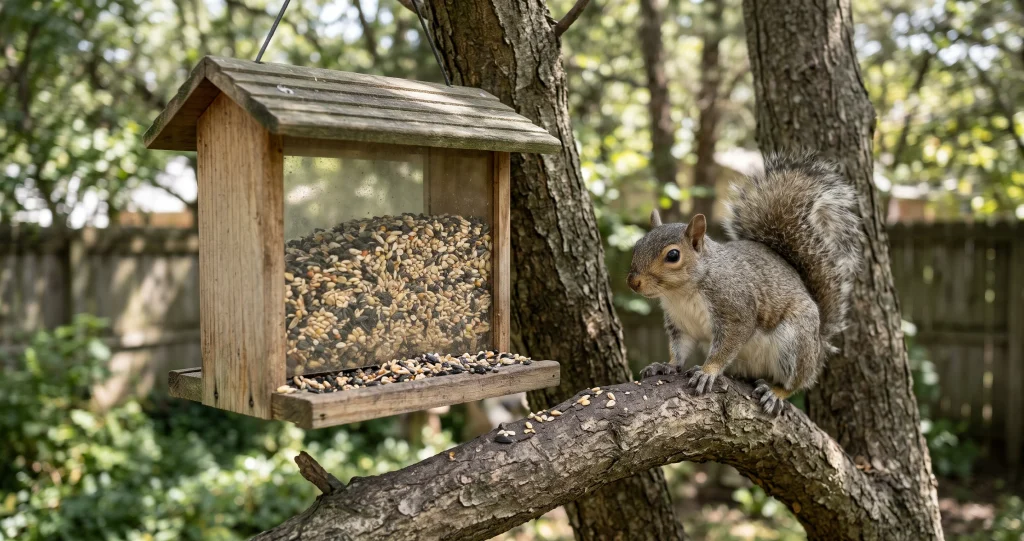
Some mammals chew fruits thoroughly before swallowing.
This can crush or damage seeds, reducing their chances of surviving.
In certain wild chili systems, capsaicin discourages mammals that are more likely to destroy seeds.
Birds, which may swallow seeds without crushing them, can remain potential dispersers.
This creates an interesting contrast between two groups of fruit-eating animals.
Capsaicin May Also Influence Microorganisms
Research suggests that capsaicinoids can affect certain fungi and other microorganisms.
In some wild pepper populations, chemical defense against fungal damage may help explain variation in pungency.
These effects depend on ecological conditions and should not be generalized to every pepper species.
Evolution Does Not Follow a Single Purpose
Plant traits rarely have only one ecological consequence.
Capsaicin production may reflect interactions involving herbivores, seed dispersers, pathogens, and environmental conditions.
Different pressures can influence the same trait.
The relationship between peppers and birds is therefore an example of evolutionary ecology rather than a simple story of plants deliberately choosing their consumers.
Which Birds Eat Chili Peppers?
Wild peppers occur in habitats where various fruit-eating birds may encounter them.
Birds That Consume Wild Pepper Fruits
Research on wild chiltepin peppers, a form of Capsicum annuum, has documented seed dispersal by birds.
Depending on the location, birds such as thrashers and other fruit-eating species may consume wild pepper fruits.
The identity of important dispersers varies across habitats.
Not every backyard bird is naturally interested in peppers.
Birds and Backyard Pepper Plants
In gardens, birds sometimes investigate ripe peppers.
They may peck at fruits or consume portions of them.
However, many birds prefer other foods, including insects, seeds, and native berries.
Pepper consumption should not be treated as a universal behavior.
Wild Birds and Domestic Birds
Domestic chickens are birds, but their feeding behavior differs from that of many wild fruit-eating species.
Although chickens generally do not experience chili pungency in the same way humans do, this does not make hot peppers an essential or particularly beneficial part of their diet.
A balanced, species-appropriate diet remains more important than unusual food additions.
How Pepper Seeds Survive Digestion
Seed dispersal through animals depends on the physical properties of seeds and the digestive processes they encounter.
Protective Seed Coats
Pepper seeds possess protective outer tissues.
These structures can help shield the embryo from environmental damage.
In some circumstances, seeds survive passage through a bird’s digestive tract.
However, survival rates vary, and digestion can damage seeds in other cases.
Digestion Can Influence Germination
Passing through an animal may alter a seed’s outer tissues or remove surrounding fruit material.
For certain plant and animal combinations, this can affect germination.
But the outcome is not always positive.
Some seeds germinate better after passage through an animal, while others show little improvement or reduced viability.
Where Seeds Are Deposited Matters
A viable seed still needs a suitable place to grow.
Birds may deposit seeds beneath shrubs, near perches, or in other locations they frequently visit.
These sites can differ in sunlight, moisture, competition, and exposure to seed predators.
The ecological value of seed dispersal therefore depends on both movement and destination.
What This Relationship Reveals About Evolution
The pepper-bird relationship illustrates how plant chemistry and animal sensory biology can influence each other.
Different Animals Experience the Same Fruit Differently
A chili pepper does not have one universal flavor experience.
Its capsaicin affects different animals according to their sensory receptors.
For many mammals, it produces pungency and discomfort.
For birds, the same chemical often has little of the familiar burning effect.
This difference can influence which animals consume the fruit.
Seed Dispersal Shapes Plant Reproduction
Plants benefit when viable seeds reach locations where seedlings can establish themselves.
Animals that transport seeds without destroying them may contribute to that process.
Over evolutionary time, relationships between fruit traits and animal behavior can influence plant populations.
Nature’s Partnerships Are Not Always Obvious
Many familiar garden interactions involve pollination.
Bees visit flowers, collect nectar, and transfer pollen.
Seed dispersal is another important relationship.
Instead of transporting pollen between flowers, animals move seeds after fruits develop.
Both processes contribute to the reproduction and distribution of flowering plants.
In Your Own Yard: Growing Peppers and Supporting Birds
You can explore this fascinating relationship by growing peppers and creating a garden that supports local wildlife.
Grow Chili Peppers in a Sunny Location
Most cultivated peppers grow best in warm conditions with plenty of sunlight.
Choose a location with well-draining soil.
Wait until frost danger has passed and temperatures are suitable before transplanting peppers outdoors.
Container growing is also practical for patios and smaller gardens.
Observe Fruit Development
Watch how pepper fruits change as they mature.
Many varieties begin green and gradually develop red, orange, yellow, or other colors.
These changes reflect fruit ripening and pigment development.
Not all peppers follow the same color sequence.
Support Birds With Native Plants
Native shrubs and trees often provide more dependable wildlife resources than cultivated peppers alone.
Select species appropriate to your region.
Native plants may offer fruits, seeds, shelter, and habitat for insects that birds consume.
A diverse planting arrangement can support wildlife across different seasons.
Avoid Feeding Birds Hot Peppers as an Experiment
There is no need to offer wild birds hot peppers simply to test their response.
Observing natural feeding behavior is a better approach.
If birds visit your garden, provide clean water, appropriate habitat, and food sources suited to local species.
Avoid offering heavily seasoned foods, sauces, or processed snacks.
Protect Your Pepper Harvest
If birds damage ripe peppers, lightweight garden netting may seem convenient.
However, loose netting can entangle wildlife.
Use properly secured, wildlife-safe barriers where needed, and inspect them regularly.
Harvesting ripe peppers promptly can also reduce losses.
Common Misconceptions About Birds and Chili Peppers
Myth: Birds Cannot Feel Pain
Birds can experience harmful stimuli and possess sensory systems involved in pain detection.
Their reduced sensitivity to capsaicin does not mean they are insensitive to injury or dangerous heat.
Myth: Capsaicin Is Concentrated Inside Pepper Seeds
Capsaicinoids are produced mainly in tissues associated with the pepper’s internal placenta.
Seeds may carry capsaicin on their surfaces, but they are not the principal production site.
Myth: Every Bird Loves Hot Peppers
Bird species have different diets and feeding preferences.
Reduced sensitivity to capsaicin does not automatically make peppers attractive food.
Myth: All Pepper Seeds Survive Bird Digestion
Seed survival depends on the species involved and digestive conditions.
Some seeds remain viable, while others may be damaged.
Frequently Asked Questions
1. Why can birds eat hot peppers without feeling the burn?
Birds generally have TRPV1 receptors that respond differently to capsaicin than those of humans and many other mammals. This makes them much less sensitive to the characteristic burning sensation caused by hot peppers.
2. Do birds help chili peppers reproduce?
Yes, some birds consume wild pepper fruits and disperse viable seeds through their droppings. This can move seeds away from the parent plant and potentially help peppers establish in new locations.
3. Are hot peppers safe for backyard birds?
Reduced capsaicin sensitivity does not mean peppers are appropriate for every bird or should be deliberately added to its diet. Wild birds have different nutritional needs, and natural food sources are generally preferable. Avoid offering processed spicy foods or pepper sauces.
Conclusion
A chili pepper can create an intense burning sensation in a human while being eaten by a bird with little apparent discomfort.
The explanation lies in sensory biology, plant chemistry, and evolution.
The relationship between birds and chili peppers demonstrates how capsaicin can discourage some animals while allowing others to consume fruits and potentially disperse their seeds.
Not every bird eats peppers, and not every swallowed seed survives. Yet in certain wild pepper ecosystems, this partnership contributes to the movement of seeds across the landscape.
The next time you see a bright red chili pepper growing in a garden, remember that its fiery reputation depends on who takes the bite.
For some birds, that little red fruit is simply another meal—and a chance for the pepper plant’s seeds to begin a new journey.
External Sources
1. Jordt & Julius (2002) – Molecular Basis for Species-Specific Sensitivity to “Hot” Chili Peppers. Published in Cell, this research explains why avian TRPV1 receptors respond differently to capsaicin, helping clarify why birds do not experience chili heat like humans. Read the scientific study.
2. Tewksbury & Nabhan (2001) – Directed Deterrence by Capsaicin in Chillies. Published in Nature, this study investigates how capsaicin discourages certain seed-destroying mammals without deterring birds that can disperse viable pepper seeds. Read the scientific study.
3. Levey et al. (2006) – A Field Test of the Directed Deterrence Hypothesis in Two Species of Wild Chili. Published in Oecologia, this study examines wild pepper consumption and provides field evidence that birds act as important seed dispersers. Read the scientific study.