
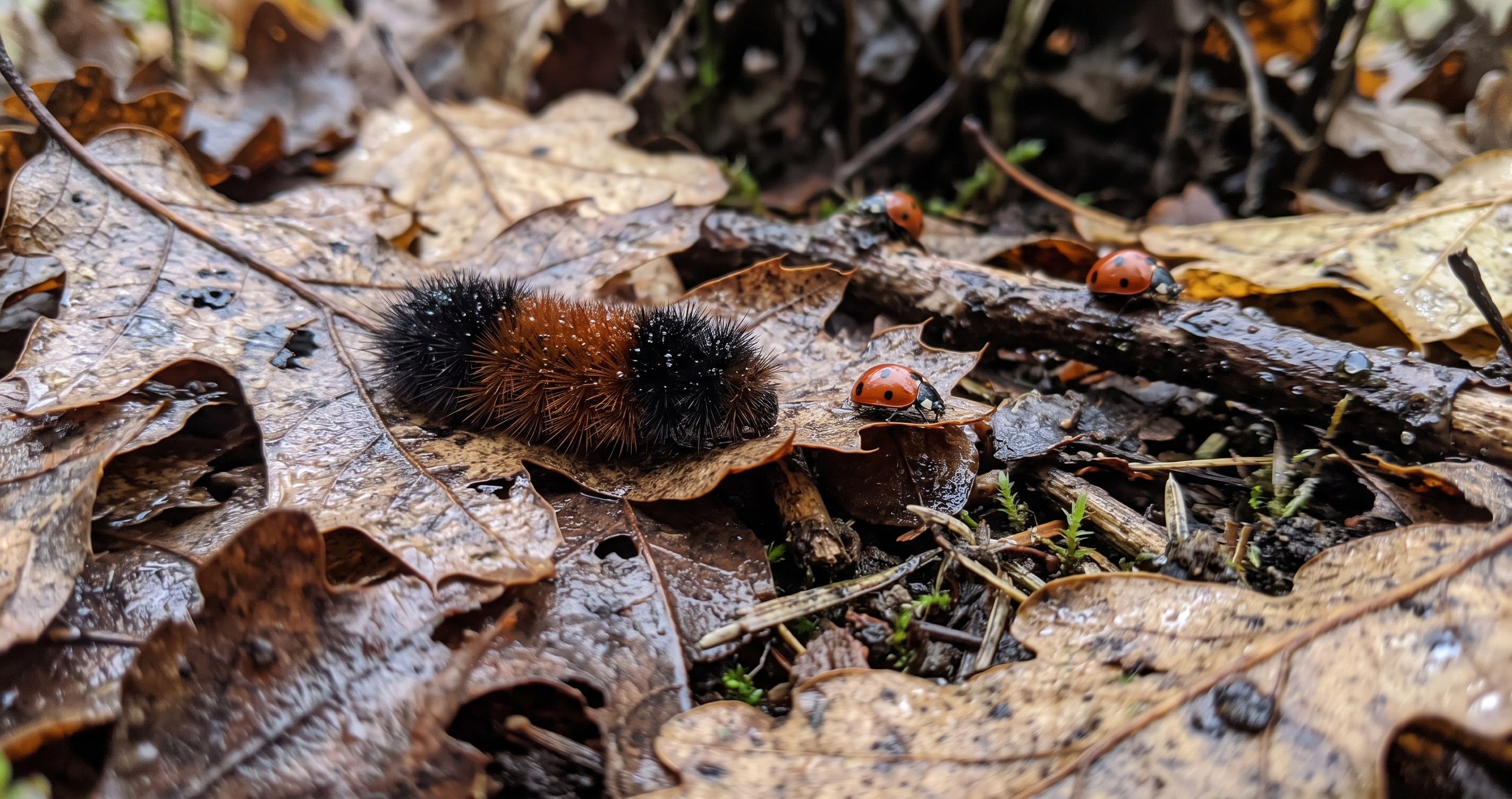
Every fall, millions of Americans rake, bag, and remove fallen leaves from their yards. Yet beneath those colorful layers, an entire community of insects and other small animals may be preparing to survive winter. The leave the leaves approach encourages gardeners to preserve this natural habitat instead of treating every fallen leaf as waste.
Leaf litter provides shelter for butterfly caterpillars, moth cocoons, beetles, and other invertebrates. It also protects the soil, conserves moisture, and supports the organisms responsible for decomposition. Understanding where leaves belong—and where they should be removed—can help create a healthier garden without sacrificing a well-maintained yard.
Table of Contents
- What Does Leave the Leaves Mean?
- Why Fallen Leaves Matter During Winter
- Leave the Leaves: Which Beneficial Insects Overwinter There?
- How Leaf Litter Protects Insects From Cold
- Where to Leave Fallen Leaves in Your Yard
- Why Thick Leaf Mats Can Damage Lawns
- How Fallen Leaves Improve Soil Health
- Should You Shred Leaves or Keep Them Whole?
- When to Clean Up Leaves in Spring
- Do Fallen Leaves Attract Garden Pests?
- How Leaf Litter Supports Birds and Other Wildlife
- Regional Considerations Across the United States
- Creating a Wildlife-Friendly Fall Cleanup Routine
- Common Mistakes to Avoid
- Frequently Asked Questions
- Conclusion
1. What Does Leave the Leaves Mean?
The leave the leaves movement promotes keeping fallen leaves in appropriate outdoor spaces so they can continue serving their ecological functions.
In natural forests, fallen leaves accumulate beneath trees and shrubs, gradually forming a layer called leaf litter. This material becomes part of a complex habitat containing fungi, bacteria, insects, spiders, and other soil organisms.
Unlike the bare soil often seen in heavily maintained gardens, forest floors are rarely completely cleared of organic material.
The idea is not to abandon garden maintenance. Instead, gardeners can relocate leaves from lawns, walkways, and other unsuitable areas into flower beds, shrub borders, and naturalized spaces.
This approach preserves habitat while allowing practical yard care.
The Xerces Society’s guide to protecting winter insect habitat recommends retaining fallen leaves and other natural materials because many invertebrates depend on them for overwintering shelter.
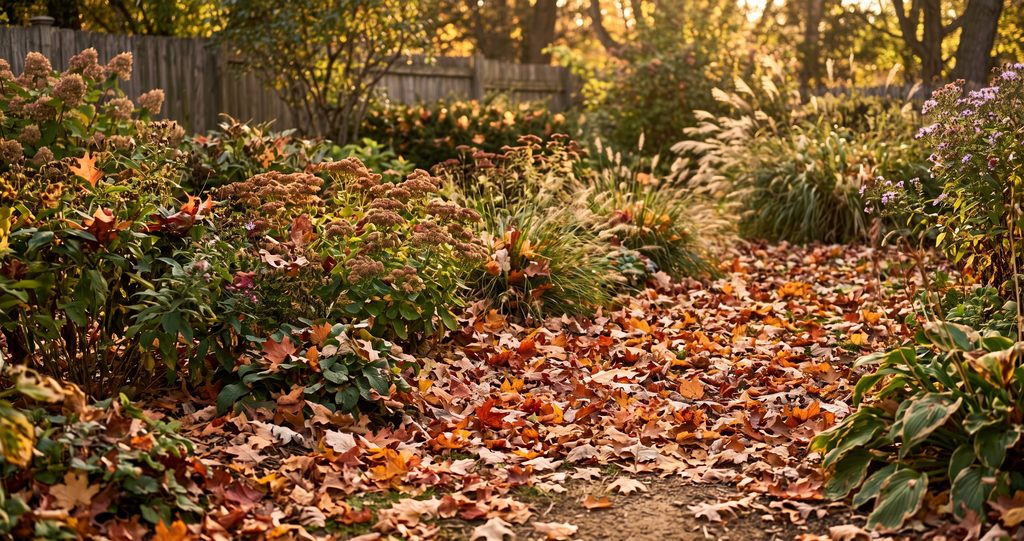
2. Why Fallen Leaves Matter During Winter
As temperatures decline, insects must survive conditions that limit feeding, movement, and reproduction.
Different species respond in different ways. Some migrate, some remain active during mild periods, and others enter a state of reduced activity known as diapause.
Many insects overwinter as eggs, larvae, pupae, or adults hidden within vegetation, soil, or other protected environments.
Fallen leaves provide one of these environments.
The overlapping layers create small spaces that are less exposed to wind, sunlight, and sudden temperature changes than bare ground.
Leaf litter also influences moisture near the soil surface, which can be important for organisms vulnerable to drying out.
However, leaves do not function as a heated shelter. Their protective value comes primarily from insulation, reduced exposure, and the environmental conditions they create.
For insects that already occupy these habitats, removing the leaves can mean removing the shelter itself.
3. Leave the Leaves: Which Beneficial Insects Overwinter There?
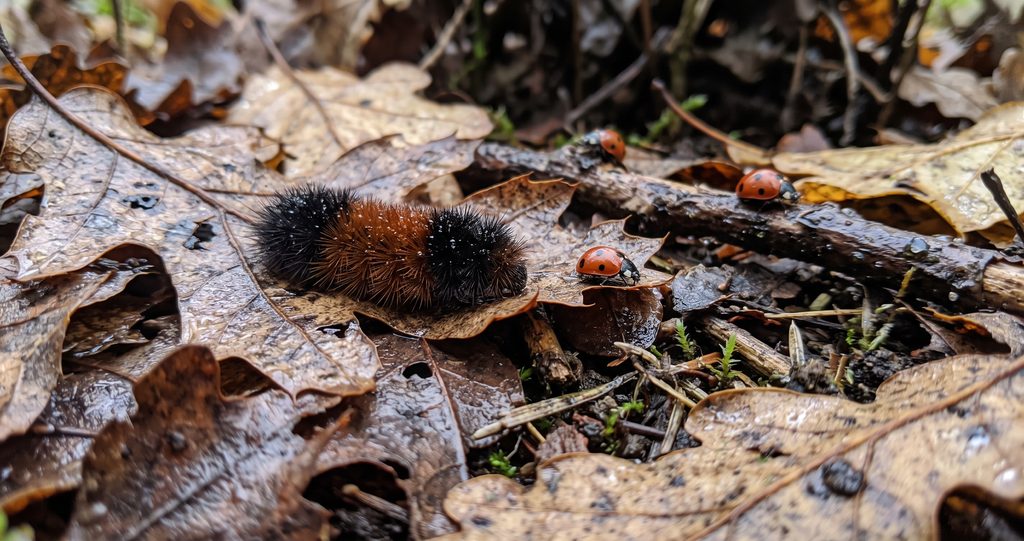
One of the strongest reasons to leave the leaves is that different insects use fallen vegetation at different stages of their life cycles.
Some hide directly among the leaves. Others remain in the soil beneath them, benefiting from the insulation above.
Butterflies and moths
Many butterflies and moths survive winter without migrating.
The great spangled fritillary (Speyeria cybele) overwinters as a young caterpillar, using sheltered ground-level habitat that can include leaf litter.
Woolly bear caterpillars, the larvae of the Isabella tiger moth (Pyrrharctia isabella), also seek protected places near the ground.
Luna moths (Actias luna) form cocoons associated with leaves. These may fall to the ground and remain concealed among leaf litter until the adults emerge.
Red-banded hairstreak butterflies (Calycopis cecrops) lay eggs on fallen oak leaves, making this material directly important to their life cycle.
The exact species present will depend on local habitat and geographic range.
Fireflies
Many firefly species spend a substantial portion of their lives as larvae.
These larvae often occupy moist soil, leaf litter, or other protected ground-level habitats, where they feed on small invertebrates.
Removing ground cover can reduce suitable habitat for some firefly species.
However, not all fireflies overwinter in the same developmental stage or location. Their biology varies across species and regions.
Ground beetles and lady beetles
Many predatory ground beetles use soil-level shelters, including leaf litter, during periods of inactivity.
Some lady beetles also overwinter as adults beneath leaves, bark, stones, or other protective materials.
These insects are valuable because many species consume garden pests during the growing season.
Keeping suitable overwintering habitat can help maintain populations of natural enemies within a garden.
Bumble bee queens
Bumble bees have a different winter strategy from most social honey bees.
In many temperate bumble bee species, newly mated queens survive winter individually in sheltered underground sites.
A layer of fallen leaves above these sites can help moderate environmental conditions.
The queens generally do not spend winter inside their former summer colonies.
Other beneficial invertebrates
Leaf litter also supports spiders, springtails, millipedes, woodlice, and other organisms.
Not all of these animals are insects. Spiders are arachnids, millipedes belong to another arthropod group, and woodlice are crustaceans.
Nevertheless, they contribute to pest regulation, decomposition, or nutrient cycling.
The Xerces Society identifies leaf litter as important habitat for numerous insects and other invertebrates, including caterpillars, beetles, and overwintering bumble bee queens.
4. How Leaf Litter Protects Insects From Cold
Fallen leaves create a physical barrier between small organisms and the surrounding atmosphere.
Air spaces between overlapping leaves can slow heat exchange and reduce direct exposure to freezing winds.
This insulation is particularly useful when leaf litter remains relatively undisturbed.
Temperature protection
Bare soil can experience rapid temperature changes, especially when exposed to clear skies and cold winds.
A natural leaf layer can moderate some of these fluctuations.
Snow cover may provide additional insulation in colder regions.
However, the degree of protection depends on leaf depth, moisture, snow conditions, and local weather.
It would be inaccurate to claim that a particular leaf thickness always raises soil temperature by a fixed number of degrees.
Moisture protection
Many soil-dwelling invertebrates require humid environments.
Leaf litter can reduce direct evaporation from the soil surface and create sheltered spaces where moisture persists.
This is especially important for decomposers and other small organisms that can be harmed by drying conditions.
Extremely wet, compacted leaves can also create unfavorable conditions for some plants and organisms.
A loose, natural layer is generally more useful than a tightly compressed, waterlogged mat.
5. Where to Leave Fallen Leaves in Your Yard
The leave the leaves approach works best when fallen material is placed strategically.
Not every surface benefits from a thick layer of leaves, and some areas must remain clear for safety or plant health.
Flower beds
Established perennial beds are excellent locations for fallen leaves.
A loose layer around dormant plants can protect the soil and provide habitat for overwintering insects.
Avoid burying delicate evergreen foliage or creating dense, wet piles over plants vulnerable to crown rot.
Shrub borders and hedges
Shrubs naturally accumulate leaves beneath their branches.
These protected areas are particularly suitable for retaining leaf litter because they combine overhead vegetation with ground-level shelter.
Leaves can remain beneath native shrubs throughout winter and gradually decompose.
Beneath established trees
Tree bases and woodland-style planting areas can accommodate fallen leaves.
Spread the material across the soil rather than packing it tightly against trunks.
Keeping leaves away from direct contact with tree bark helps reduce prolonged moisture accumulation around the trunk.
Naturalized garden corners
A quiet corner containing leaves, branches, and native plants can provide habitat for numerous small organisms.
Such areas do not need to be large.
Even a modest section of a residential yard can retain valuable ground cover when managed consistently.
6. Why Thick Leaf Mats Can Damage Lawns
Although fallen leaves are beneficial in garden beds, thick accumulations can create problems on maintained turfgrass.
When leaves form a dense mat, they can block sunlight and restrict airflow around grass blades.
Extended periods of dampness beneath compacted leaves may also contribute to turf decline.
This is why leave the leaves does not mean allowing every lawn to disappear beneath heavy leaf cover.
A practical lawn strategy
A light scattering of leaves may be compatible with healthy turf.
Where accumulation becomes excessive, rake the leaves into nearby garden beds or shrub borders.
Mulching a thin layer of leaves into turf with a mower can recycle organic material, but it may also harm insects already occupying the leaves.
If wildlife conservation is the primary goal, moving intact leaves is generally preferable to shredding them.
The best approach depends on the amount of leaf material, the condition of the lawn, and the surrounding habitat.
7. How Fallen Leaves Improve Soil Health
Fallen leaves are not simply protective blankets. They also contribute organic matter and nutrients to the soil.
As leaves decompose, fungi, bacteria, and soil invertebrates break down their tissues.
This process gradually transforms plant material and returns elements to the surrounding ecosystem.
Organic matter and soil structure
Leaves contain carbon compounds and nutrients accumulated while they were attached to trees.
As decomposition progresses, some of this material becomes incorporated into soil organic matter.
Organic matter can support soil aggregation, water retention, and biological activity.
The effects depend on soil type, climate, decomposition rate, and management practices.
Nutrient recycling
Fallen leaves contain nutrients such as nitrogen, phosphorus, potassium, calcium, and magnesium in varying amounts.
Decomposition gradually releases or redistributes these nutrients.
However, leaves do not act like an instantly available fertilizer.
Microorganisms may temporarily immobilize some nutrients while breaking down carbon-rich material.
Over time, decomposition contributes to nutrient cycling and soil development.
Soil moisture and erosion
A surface layer of leaves can reduce direct exposure to wind and rainfall.
This may help limit surface erosion, moderate evaporation, and reduce the impact of raindrops on bare soil.
Leaves can also suppress some weed germination by reducing the light reaching the soil surface.
For additional information on retaining organic material in garden beds, see our guide to chop-and-drop mulching for healthier soil. It explains how plant residues can protect soil and contribute organic matter through decomposition.
8. Should You Shred Leaves or Keep Them Whole?
Shredding leaves is commonly recommended because smaller pieces generally decompose faster.
For compost production or certain mulching applications, this can be useful.
However, shredding is not always the best choice for insect conservation.
Some insects overwinter inside leaves, attached to leaves, or within the surrounding litter.
Mechanical shredding may injure or kill these organisms and destroy their shelter.
Whole leaves also retain a different physical structure from finely shredded material.
A balanced approach is to preserve intact leaves in wildlife habitat areas while using excess, uncontaminated material for compost or other garden purposes.
The Xerces Society recommends avoiding unnecessary shredding when the primary objective is protecting overwintering insects.
9. When to Clean Up Leaves in Spring
One common mistake is removing all remaining leaves as soon as the first warm days arrive.
Many overwintering insects are still inactive during early spring.
Their emergence depends on species-specific cues, including temperature, seasonal timing, and developmental stage.
There is no single spring cleanup date that protects every insect across the United States.
A gradual cleanup approach
Leave undisturbed habitat in place as long as practical.
Where cleanup is necessary, work in sections rather than clearing the entire garden at once.
Avoid disturbing soil and leaf litter beneath established native plants.
Permanent leaf-covered areas can be especially valuable because they provide continuity between seasons.
Some insects may remain in sheltered stages even after other species become active.
10. Do Fallen Leaves Attract Garden Pests?
Leaf litter can shelter both beneficial organisms and species that gardeners consider pests.
This is an important limitation of the leave the leaves approach.
Some plant-feeding insects and pathogens can persist in fallen vegetation.
However, the presence of leaf litter does not automatically cause a harmful infestation.
Healthy gardens contain a mixture of herbivores, predators, parasitoids, and decomposers.
When leaf removal makes sense
If a plant has a confirmed disease that persists in infected fallen leaves, removing that material may reduce future infection pressure.
For example, sanitation can be useful in managing certain fungal leaf diseases.
Similarly, vegetable beds with recurring pest problems may benefit from targeted removal of infested crop residues.
The objective is selective management rather than removing every leaf from the property.
Research-based guidance from the Xerces Society recognizes that leaf litter supports both beneficial insects and some pests, while recommending thoughtful sanitation where specific problems are present.
Xerces Society
11. How Leaf Litter Supports Birds and Other Wildlife
Insects and other invertebrates living among fallen leaves contribute to larger food webs.
Ground-feeding birds search through leaf litter for insects, spiders, and other small prey.
Some amphibians, including salamanders and wood frogs, also use moist forest-floor habitats.
Small mammals may forage among fallen leaves or use the material as part of their shelter.
Preserving leaf litter therefore supports more than the organisms directly overwintering within it.
The relationship between insects and birds becomes particularly important during spring, when many birds depend heavily on invertebrate prey while raising young.
A garden containing varied vegetation and undisturbed ground cover can offer more feeding opportunities than a landscape dominated by closely cut grass and bare soil.
12. Regional Considerations Across the United States
The ecological value of fallen leaves varies with climate, vegetation, and local wildlife.
In the Northeast and Great Lakes region, deciduous forests produce substantial autumn leaf litter that helps shelter overwintering organisms.
In the Southeast, milder winters allow some invertebrates to remain active for longer periods.
In the Pacific Northwest, abundant rainfall can create moist decomposition environments, although drainage and compaction remain important considerations.
In dry western regions, leaves may break down more slowly because microbial activity is limited by moisture.
Native vegetation and local climate should guide how much material is retained and where it is placed.
The leave the leaves principle is broadly useful, but it should be adapted to the actual landscape rather than treated as a rigid national rule.
13. Creating a Wildlife-Friendly Fall Cleanup Routine
A practical autumn cleanup can preserve important habitat without allowing leaves to block paths or damage plants.
Start by identifying areas where leaves can remain undisturbed throughout winter.
Established shrub beds, native perennial borders, and woodland-style plantings are usually suitable choices.
Next, move excessive accumulations from turfgrass, sidewalks, patios, and drainage areas.
Use a rake when possible to keep leaves intact.
Avoid unnecessary disturbance beneath shrubs or in naturalized sections of the garden.
Leave some standing perennial stems, seedheads, and small pieces of dead wood where safe.
These materials support species that do not overwinter in leaf litter.
The result is a garden that combines practical maintenance with habitat conservation.
14. Common Mistakes to Avoid
The leave the leaves approach is most effective when gardeners understand its limitations.
Avoid assuming that more leaves are always better. Deep, compacted accumulations can damage turf and some sensitive plants.
Do not place large piles directly against building foundations, drainage outlets, or vulnerable plant crowns.
Avoid shredding all leaves when preserving insects is a primary objective.
Do not assume that every insect overwinters in leaves. Many species depend on soil, stems, wood, or other specialized habitats.
Finally, avoid clearing every garden bed immediately after the first spring thaw.
Providing a variety of protected spaces is more useful than relying on a single type of shelter.
15. Frequently Asked Questions
Should I leave all fallen leaves in my yard?
No. Retain leaves where they provide useful habitat, especially in beds and borders, while clearing excessive accumulations from lawns, paths, and drainage areas.
Which insects benefit most from fallen leaves?
Examples include certain moths, butterfly caterpillars, ground beetles, lady beetles, and fireflies. Bumble bee queens may also benefit from leaves insulating their underground overwintering sites.
Are fallen leaves good for garden soil?
Yes. Decomposing leaves contribute organic matter, support soil organisms, and participate in nutrient cycling. They can also reduce evaporation and protect bare soil.
Should I remove leaves in early spring?
Avoid unnecessary early removal. Different insects emerge at different times, so preserving some permanent leaf-covered habitat is more reliable than following one universal cleanup date.
Can leaves harm grass?
Yes. Thick, wet leaf mats can block sunlight and damage turfgrass. Move excessive leaves into suitable planting beds instead.